The Senegalese Constitutional Council has been drawn into a dispute between the executive and parliamentary majority over a proposed law to modify the country's oil code. The government has asked the council to rule on the admissibility of the proposal, leading to a postponement of the parliamentary session initially set for September 29, 2026. A new date of October 13 has been scheduled. The proposal, numbered 37/2026, aims to amend the 2019 oil code.
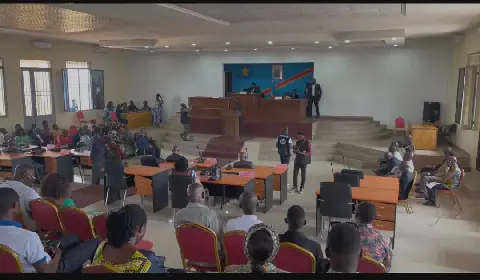
The proposed law seeks to allow parliament to hold a prior debate, without a vote, on oil contracts concluded by the state. However, the government, through the voice of Energy and Oil Minister El Hadji Abdourahmane Diouf, believes this initiative encroaches on the executive's regulatory domain. This has led to a disagreement between the two branches of government. The third vice-president of the National Assembly, Ismaïla Diallo, announced the government's move to the parliamentarians before the debates on the text.
The disagreement centers on article 20 of the oil code. The proposed law aims to allow parliament to organize a prior debate, in plenary session and without a vote, on oil contracts concluded by the state. The government believes this oversteps its authority. As a result, the parliamentary session scheduled for September 29, 2026, was postponed. A new date has been set for October 13, pending the Constitutional Council's decision.
This is not an isolated incident, as another text faced a setback on the same day. The draft law 21/2026, extending the validity period of the biometric CEDEAO identity card, was sent back to the commission at the request of the president of the Law Commission, Me Abdoulaye Tall. These episodes occur in a context of persistent tensions between the executive and the parliamentary majority.
The Constitutional Council's role in this dispute is crucial, as its decision will determine the fate of the proposed law. The council's ruling will likely have significant implications for the balance of power between the executive and parliament. The Senegalese government has been keen to assert its authority in recent times, and this dispute is likely to be closely watched by observers.
The postponement of the parliamentary session has given both sides time to reassess their positions. However, it remains to be seen whether an agreement can be reached on the proposed law. The Constitutional Council's decision is expected to provide clarity on the matter. The outcome will likely have far-reaching consequences for Senegal's governance and the relationship between its institutions.
The dispute highlights the complexities of Senegal's governance structure and the challenges of balancing power between its institutions. The country's lawmakers and executives will need to navigate these complexities carefully to avoid further conflicts. The situation will continue to be monitored closely by stakeholders and observers alike.
Key points
- The Senegalese Constitutional Council has been asked to rule on the admissibility of a proposed law modifying the country's oil code.
- The proposed law aims to allow parliament to hold a prior debate, without a vote, on oil contracts concluded by the state.
- The dispute highlights the complexities of Senegal's governance structure and the challenges of balancing power between its institutions.