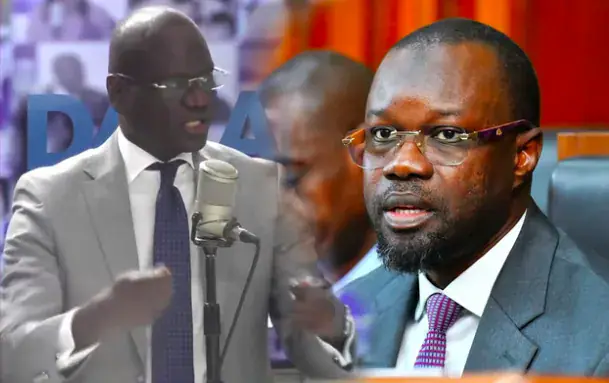
In a recent statement, Senegalese Minister Abdourahmane Diouf strongly criticized the parliamentary majority's decision to block the country's budget. According to Diouf, the 130 deputies of the majority have "usurped" the mandate of the people by choosing confrontation with President Bassirou Diomaye Faye instead of working for the benefit of the Senegalese people. This move has significant implications for the country's governance and development.
Diouf, who campaigned for President Faye's majority, accused the deputies of "deteriorating suffrages" and questioned Ousmane Sonko's position as President of the National Assembly. Diouf argued that Sonko did not have the status of a deputy and that his election to the position should have been subject to national debate. This criticism has sparked a controversy within the Senegalese government.
The minister also challenged the idea that President Faye opposes the control of special funds. Diouf stated that there is no written or verbal statement from the President opposing this principle and accused the parliamentary majority of manipulating public opinion. He emphasized the need for a consensual framework for the management of these funds.
The budget blockage has significant implications for Senegal's development projects and social programs. The country's economy is expected to suffer if the budget is not approved, and the people of Senegal may be adversely affected. Diouf's criticism of the parliamentary majority has sparked a national debate on the role of the government and the parliament in the country's governance.
President Faye's government has been working to implement various development projects and programs. However, the budget blockage has hindered the implementation of these projects, causing concern among the Senegalese people. The government has urged the parliamentary majority to reconsider their position and work towards approving the budget.
The controversy surrounding the budget blockage has also raised questions about the stability of the Senegalese government. The country has a history of political instability, and the current situation has sparked concerns about the potential for further conflict. The international community is watching the situation closely, urging calm and stability.
The situation remains tense, with no clear resolution in sight. The Senegalese people are eagerly waiting for a resolution to the crisis, and the government is working to find a solution. The country's development and stability depend on the government's ability to work together and address the challenges facing the nation.
Key points
- The Senegalese government faces a significant crisis due to the budget blockage by the parliamentary majority.
- Minister Abdourahmane Diouf has criticized the parliamentary majority's decision, accusing them of "usurping" the mandate of the people.
- The budget blockage has significant implications for Senegal's development projects and social programs.