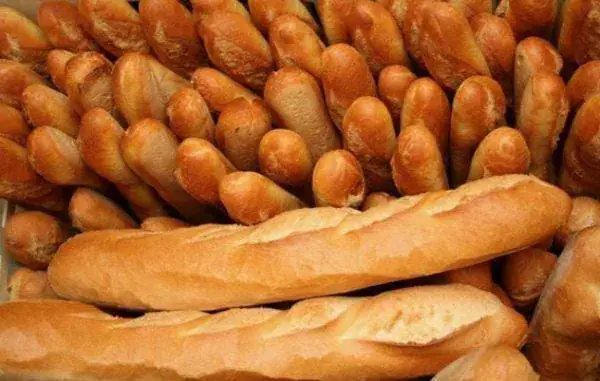
The Senegalese baking industry has entered a new period of uncertainty as a 72-hour strike commenced on November 23, 2026. The strike, led by several organizations under the Intersyndicale de la boulangerie du Sénégal, aims to pressure the government to address the sector's profitability issues. Bakers are disputing the official price of 150 FCFA for a 190-gram baguette, citing rising costs of ingredients and utilities. The strike may continue indefinitely if an agreement is not reached.
The strike's origins date back to November 18, 2026, when negotiations between bakers and the Ministry of Commerce failed to yield a resolution. The bakers argue that the current pricing structure is unsustainable due to increased costs of flour, yeast, salt, electricity, and diesel fuel. They are demanding a price adjustment to 200-210 FCFA per baguette, as well as a reduction of 3,000 FCFA on a promised 7,000 FCFA decrease per sack of flour.
However, not all baking associations are united in their support for the strike. The Fédération nationale des boulangers du Sénégal (FNBS) publicly distanced itself from the movement on November 20, 2026, citing unauthorized use of its logo. The FNBS has urged its members to continue producing bread, while other groups, including the Regroupement des boulangers du Sénégal authentique (RBS/A), are maintaining pressure on the government.
According to El Hadj Malick Thiam, spokesperson for the RBS/A, nearly 20 bakeries have already closed in response to the strike. The sector is seeking relief from high production costs, and without fiscal concessions or a decrease in flour prices, they are pushing for a price increase. This development has sparked concern among consumer advocacy groups.
The Association des consommateurs du Sénégal (ASCOCEN) has expressed frustration with the bakers' repeated requests for price hikes. On November 21, 2026, ASCOCEN President Momar Ndao stated that bakers already benefit from subsidized diesel fuel and warned that consumers would seek alternative options if the bread shortage persists.
The strike's impact on consumers and the broader economy remains to be seen. With the baking sector divided and negotiations ongoing, a resolution to the dispute is uncertain. The government will need to balance the needs of both bakers and consumers to prevent further economic disruption.
As the strike enters its final day, stakeholders are awaiting a potential breakthrough in negotiations. The situation highlights the challenges faced by small businesses in maintaining profitability amidst rising costs and the need for effective communication between industry stakeholders and government officials.
Key points
- The strike is driven by bakers' demands for a price increase to 200-210 FCFA per baguette and a reduction in production costs.