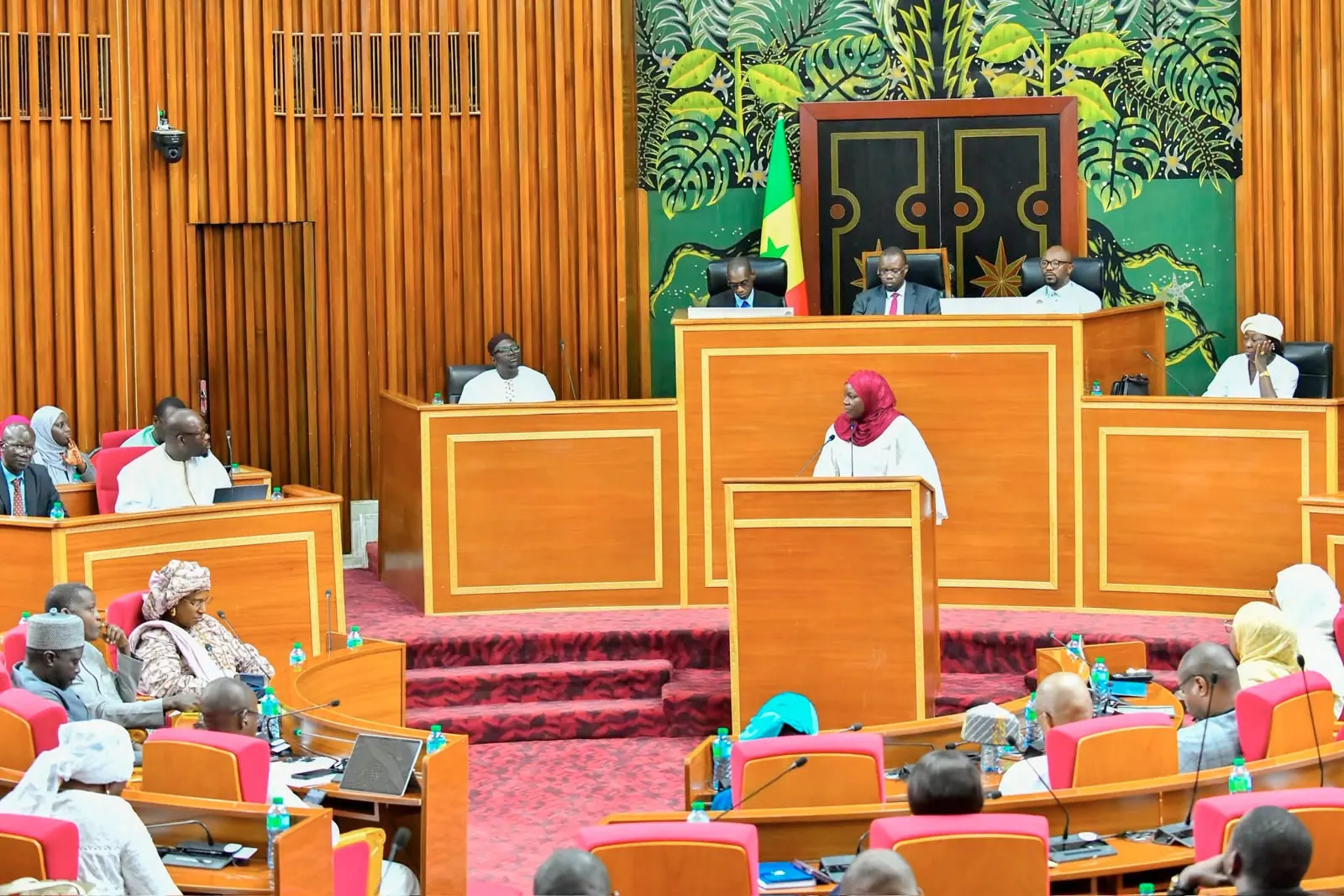
On September 20, 2026, Seydou Diouf, a former Senegalese Member of Parliament and Chairman of the Finance Committee, emphasized the need for a significant overhaul in the management of the National Assembly's budget. Diouf disputes the notion of "political funds" allocated to the President of the National Assembly, stating that these funds are part of the institution's operating budget. According to him, the President is the budget's administrator, while the Quaestor is responsible for executing expenditures.
Diouf estimates that the National Assembly's budget for discretionary spending amounts to approximately 150 million CFA francs per quarter, or around 50 million CFA francs per month. He notes that these resources were used to support MPs facing social or medical challenges, as well as to fund information missions or committee travels. Diouf cautions against creating excessive speculation around these amounts, but stresses that the real issue lies in determining who controls the Assembly's credits and when.
The former MP advocates for a two-tiered control system. Firstly, he proposes that the Finance Committee examine the Assembly's credits before execution, discussing their allocation and setting key orientations prior to presentation in plenary session. Secondly, he recommends that a regular reporting system be established to inform the committee responsible for control and accounting, enabling MPs to assess the use of resources.
According to Diouf, the adoption of a decree excluding certain expenditures is a positive step, but its impact will depend on its implementation and integration into a broader control framework. He invites the authorities to demonstrate greater transparency, emphasizing that the real issue is not the existence of these credits, but rather their transparency, allocation, and control.
Diouf stresses that the National Assembly's budget has not been subject to effective control, stating that "the budget of the Assembly, today as yesterday, is not controlled." His comments highlight the need for a more profound reform of the Parliament's financial management, enabling MPs to have precise knowledge of available credits, their allocation, and their utilization.
The former parliamentarian's proposals imply that the recently adopted decree is only one aspect of a larger project. He underscores that transparency is not solely measured by the expenditures that are prohibited, but also by the institution's ability to account for all the resources it uses.
The debate on the National Assembly's budget and the control of its credits has sparked a renewed focus on transparency and accountability in Senegal's parliamentary institutions. As the country continues to strengthen its democratic structures, calls for greater openness and oversight are likely to remain a key aspect of the national conversation.
Key points
- Former MP Seydou Diouf calls for enhanced control and transparency in the management of the National Assembly's budget.
- Diouf disputes the notion of "political funds" allocated to the President of the National Assembly.
- The proposed reforms aim to strengthen oversight and accountability in Senegal's parliamentary institutions.