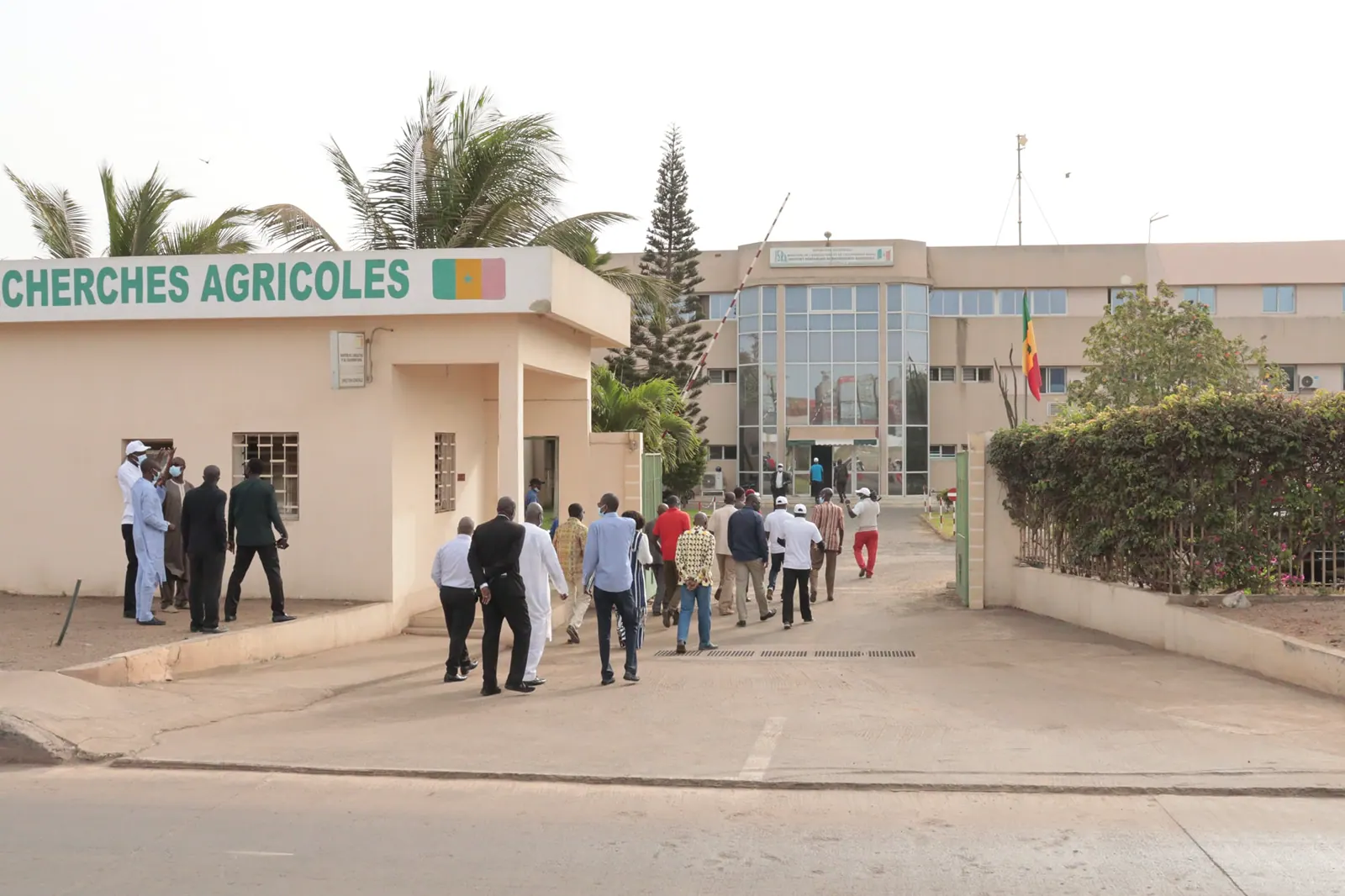
The Senegalese Institute of Agricultural Research (ISRA) is facing a profound crisis, marked by a severe shortage of experienced technicians. According to Dr. Aminata Niane Badiane, a former research officer at ISRA, the institution is struggling to find skilled technicians to support its research efforts. This shortage is particularly concerning given the importance of technicians in the research process, as they provide critical support to scientists in the field. Without these skilled professionals, research projects are hindered, and the overall quality of research is compromised.
The situation at ISRA is paradoxical, given that the institute has a large pool of engineers and researchers. However, the lack of experienced technicians has created a significant gap in the research process. The institute's inability to recruit and retain technicians has been exacerbated by a freeze on recruitment and the natural aging of staff, which has not been adequately addressed. This has resulted in a significant loss of expertise, with many experienced technicians leaving the institute without being replaced.
The devaluation of the technician profession is also a major concern, according to Dr. Badiane. The lack of recognition and appreciation for the role of technicians has led to a decline in the number of young people pursuing careers in this field. As a result, agricultural training programs are becoming increasingly scarce, further exacerbating the shortage of skilled technicians. This has significant implications for the future of agricultural research in Senegal, as the country relies heavily on the expertise of these professionals to drive innovation and development.
The shortage of experienced technicians has far-reaching consequences for ISRA's research capabilities. The institute's ability to conduct experiments, collect and conserve data, and disseminate research findings is severely impaired. These functions are critical to the research process, and without them, the institute's research output is significantly reduced. Furthermore, the lack of technicians undermines the institute's ability to engage with farmers and other stakeholders, limiting the impact of its research on the agricultural sector.
To address this crisis, Dr. Badiane proposes a comprehensive restructuring of ISRA. She advocates for a revised hierarchical structure that recognizes the complementary roles of technicians, engineers, and researchers. This would involve redefining the responsibilities of each group, with technicians focusing on executing protocols, maintaining equipment, and collecting data. Engineers would be responsible for adapting research findings to the field, supervising devices, and providing internal training. Researchers, meanwhile, would focus on designing, interpreting, and disseminating research results.
Dr. Badiane also recommends reopening agricultural BTS and Dut programs at the National School of Agriculture (ENSA) and universities, as well as structuring teams around integrated researcher-technician pairs. These measures aim to address the shortage of skilled technicians and ensure the long-term sustainability of ISRA's research efforts. By revaluing the role of technicians and providing them with the support and recognition they need, ISRA can build a more robust and effective research system.
The shortage of experienced technicians at ISRA has significant implications for Senegal's agricultural sector. The institute plays a critical role in driving innovation and development in the sector, and without a robust research system, the country's agricultural productivity and food security may be compromised. Addressing this shortage will require a concerted effort from policymakers, researchers, and other stakeholders to prioritize the role of technicians and invest in their training and development.
Key points
- ISRA faces a severe shortage of experienced technicians, affecting its research capabilities.
- The devaluation of the technician profession has contributed to the shortage of skilled technicians.
- Dr. Aminata Niane Badiane proposes a comprehensive restructuring of ISRA to address the crisis.