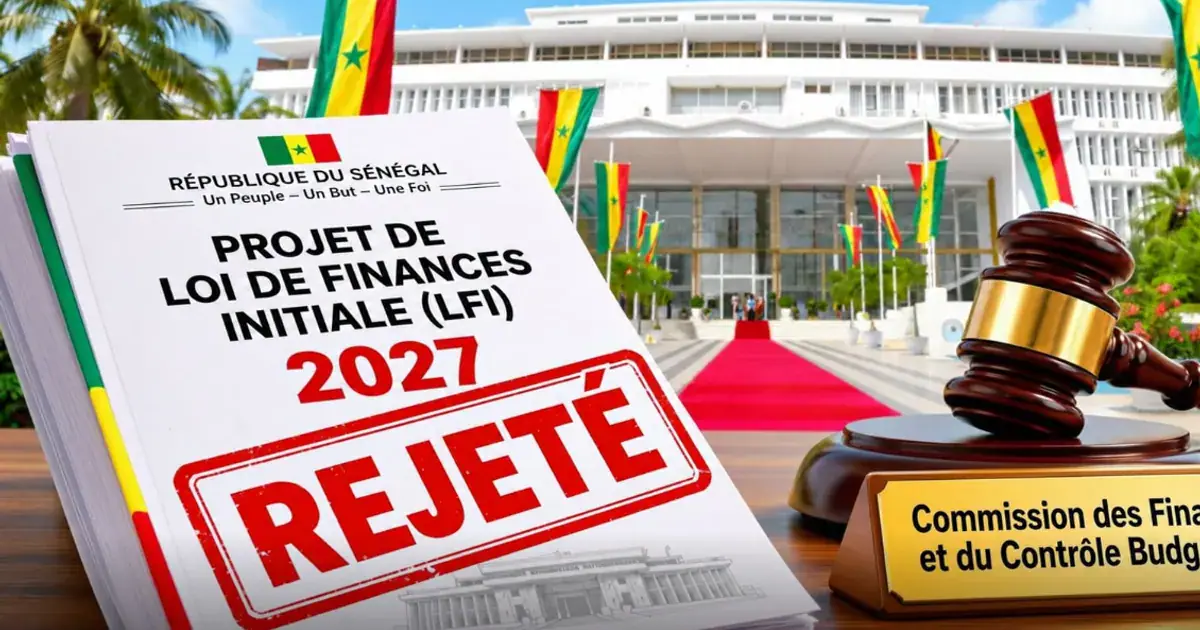
The Commission des finances et du contrôle budgétaire of Senegal's Assemblée nationale has rejected the country's 2027 budget proposal. This decision was made on November 7, 2026, after the commission had previously rejected the 2026 rectified budget. The rejection of the 2027 budget, also known as the Loi de Finances Initiale (LFI), was due to several concerns raised by the majority parliamentary group linked to the PASTEF party.
According to the parliamentary group, the government's budget proposal lacked sincerity in its figures. They also expressed concerns over the maintenance of what they considered unsustainable payment credits. Additionally, the group argued that the macroeconomic assumptions in the budget were outdated. These concerns arose after the rejection of the 2026 rectified budget, leading to the commission's decision to reject the 2027 budget proposal.
The minister of Économie, des Finances et du Plan, Cheikh Diba, is at the center of the controversy. The parliamentary group believes that the minister's budget proposal did not accurately reflect the country's financial situation. The rejection of the budget proposal has significant implications for Senegal's financial planning and could potentially impact the country's economic growth.
The Commission des finances et du contrôle budgétaire plays a crucial role in Senegal's budget-making process. As the body responsible for examining and approving budget proposals, their rejection of the 2027 budget proposal is a significant setback for the government. The government will need to revisit the budget proposal and address the concerns raised by the parliamentary group.
The rejection of the 2027 budget proposal has sparked concerns about Senegal's economic future. The country's economic growth and development plans may be impacted by the delay in approving the budget. The government will need to work closely with the parliamentary group to address their concerns and ensure that the budget proposal is approved soon.
The PASTEF party's parliamentary group has been vocal about their concerns regarding the budget proposal. They have been pushing for greater transparency and accountability in the budget-making process. Their efforts have led to a more scrutinized budget proposal, which has ultimately resulted in the rejection of the 2027 budget proposal.
The government will need to go back to the drawing board and revise the budget proposal. They will need to work closely with the parliamentary group to address their concerns and ensure that the revised budget proposal is approved. The rejection of the 2027 budget proposal is a significant development in Senegal's economic landscape, and its implications will be closely watched by economists and policymakers.
Key points
- The Commission des finances et du contrôle budgétaire rejected the 2027 budget proposal due to concerns over the lack of sincerity in figures and unsustainable payment credits.
Reporting sources
- Après la LFR, le projet de loi de Finances initiale (LFI) rejeté · Pulse Senegal