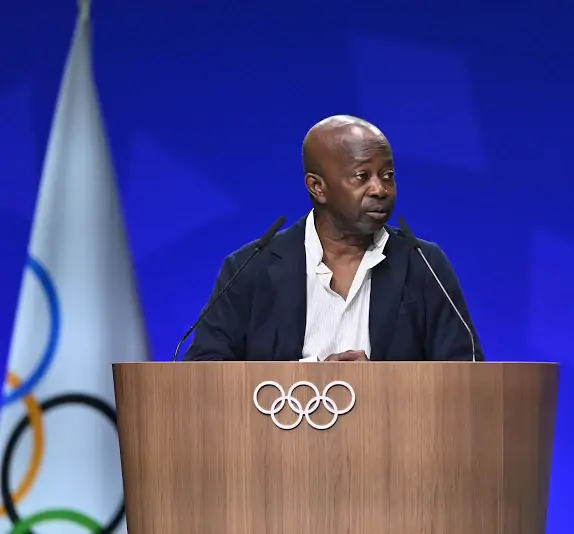
With just hours to go before the opening of the 2026 Youth Olympic Games in Dakar, Senegal, President of the Senegalese National Olympic and Sports Committee (CNOSS), Mamadou Diagna Ndiaye, has expressed confidence in the country's ability to host the event. In an interview on RTS's "Sans Filtre" program, Ndiaye outlined the challenges faced during preparations, including logistical hurdles, budget constraints, and geopolitical uncertainties. Despite these, he assured that the organization is ready to welcome the youth of the world.
Ndiaye's calm demeanor about the event's preparations stems from his professional experience in high-pressure international meetings, including those with the International Monetary Fund and the World Bank. He described his current state of mind as "remaining zen, but being very ebullient." However, he acknowledged the tension that comes with the responsibilities on the teams, particularly when urgent issues require immediate responses.
The idea of Senegal hosting the Youth Olympic Games originated from Ndiaye's observation of major international competitions and his passion for tennis. He was impressed by the mobilization capacities, organizational means, and expertise displayed during large sporting events. This experience led him to wonder why Senegal couldn't host an international sporting event. The project took shape after discussions with Thomas Bach, then President of the International Olympic Committee (IOC), who encouraged a Senegalese bid.
The Senegalese bid was initially met with skepticism by some government officials, who doubted the country's chances of winning. However, after working with several stakeholders, including Baïdy Agne and Ibrahima Wade, the bid gained momentum. The support of Al Saba, an IOC member and high-ranking Kuwaiti official, was also crucial in convincing Senegalese authorities of the bid's solidity. Senegal was eventually chosen as the host country during the 133rd IOC session in Buenos Aires in 2018.
Ndiaye attributed Senegal's success in winning the bid to the solidity of its file and the guarantees offered by the country. He noted that the Tunisian bid faced difficulties due to its internal political context, while the Nigerian bid raised security concerns. Senegal, on the other hand, emphasized its stability, security conditions, and geographical advantages. The Senegalese bid was considered robust enough to convince the Olympic authorities.
The COVID-19 pandemic led to the postponement of the Games from 2022 to 2026, which, according to Ndiaye, provided extra time to prepare the infrastructure and strengthen the organizational setup. However, this change also caused uncertainty and affected financing and partnership prospects. The pandemic disrupted several financing and partnership perspectives, particularly with Gulf partners, and complicated the mobilization of necessary resources.
One of the significant challenges in the final preparation phase was the situation in the Strait of Hormuz, which forced the organizers to revise their transport and budget assumptions. The initial forecasts relied heavily on maritime transport, but the difficulties encountered in this strategic axis made this scheme impracticable, obliging the teams to seek alternative solutions urgently.
Key points
- The 2026 Youth Olympic Games in Dakar, Senegal, are set to take place despite logistical and budgetary challenges.
- Senegal's CNOSS President Mamadou Diagna Ndiaye expressed confidence in the country's ability to host the event.
- The event's preparations were impacted by the COVID-19 pandemic and the situation in the Strait of Hormuz.