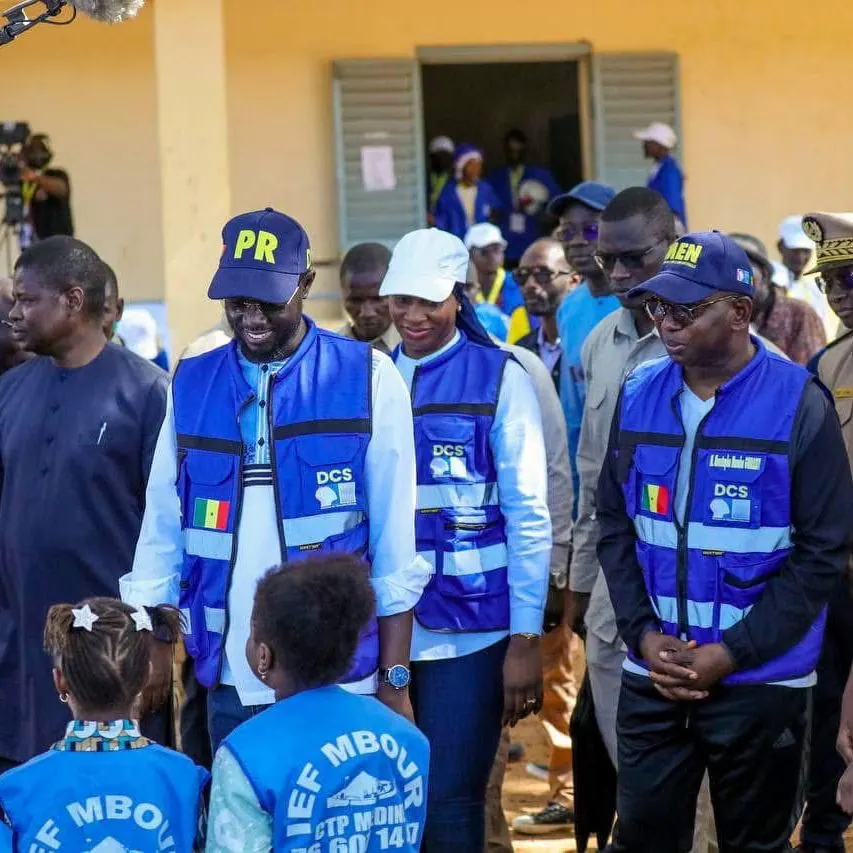
On September 30, 2026, Senegal's President Bassirou Diomaye Diakhar Faye addressed the country's education sector during a Council of Ministers meeting at the Palace of the Republic. He emphasized the need for a smooth start to the 2026-2027 academic year, focusing on ensuring the proper functioning of teaching and learning processes while maintaining social stability in the education sector. The President's directives aim to improve the overall quality of education in Senegal.
President Faye instructed the government to take necessary measures to guarantee a successful academic year. This includes recruiting and deploying required teaching personnel, particularly in schools located in the country's interior regions. The President also stressed the importance of accelerating projects to construct and rehabilitate school infrastructure, with the goal of eradicating temporary shelters and promoting equity, performance, and inclusion in the education system.
The President highlighted the need for social dialogue with all stakeholders in the education community, including teacher unions. He emphasized the importance of honoring commitments related to exam and competition allowances, as well as statutory revaluations already validated. Furthermore, President Faye advocated for a concerted reform of curricula and student orientation frameworks, incorporating digitalization, regulation of social networks, and development of vocational and technical training.
President Faye's directives also focus on improving the regulation and control of private education. He called for continued consultations to strengthen oversight and ensure that private institutions meet national standards. Additionally, the President urged the acceleration of reforms aimed at integrating daaras, traditional Islamic schools, into the national education system.
The President's vision for the education sector includes a stronger emphasis on digitalization and innovation. By integrating technology into the education system, the government aims to enhance the learning experience and prepare students for the demands of the modern economy. This approach is expected to improve educational outcomes and increase opportunities for Senegalese students.
To achieve these goals, President Faye has tasked the government with mobilizing resources and engaging with stakeholders to ensure a successful academic year. The government's efforts will focus on addressing the country's education challenges, including infrastructure deficits and teacher shortages. By prioritizing education, the government aims to drive economic growth and social development in Senegal.
The 2026-2027 academic year is expected to be a critical period for Senegal's education sector. With the President's priorities in place, the government is poised to implement reforms aimed at improving educational outcomes and promoting social stability. Key stakeholders, including teacher unions and private education providers, will play a crucial role in shaping the future of education in Senegal.
Key points
- President Faye emphasizes the need for social dialogue with teacher unions and stakeholders to ensure a smooth academic year.
- The government aims to eradicate temporary shelters and improve school infrastructure to promote equity and performance in the education system.
- President Faye advocates for a concerted reform of curricula and student orientation frameworks to integrate digitalization and vocational training.