The Senegalese government has launched an initiative to deploy nearly 4,500 solar pumps across the country to support rural development and reduce post-harvest losses. The plan, led by the Agence nationale pour les énergies renouvelables (Aner), aims to provide access to clean energy for rural communities and promote sustainable agricultural practices. The project is part of a broader strategy to transition to renewable energy and reduce the country's reliance on fossil fuels.
The lack of modern energy infrastructure has long hindered the rural economy in Senegal, leading to significant post-harvest losses and limiting the potential for economic growth. The Aner's plan aims to address this issue by providing rural communities with access to clean energy, which can be used for irrigation, conservation, and other agricultural purposes. The project is expected to have a positive impact on the livelihoods of rural communities, particularly women, who are often disproportionately affected by the lack of access to energy.
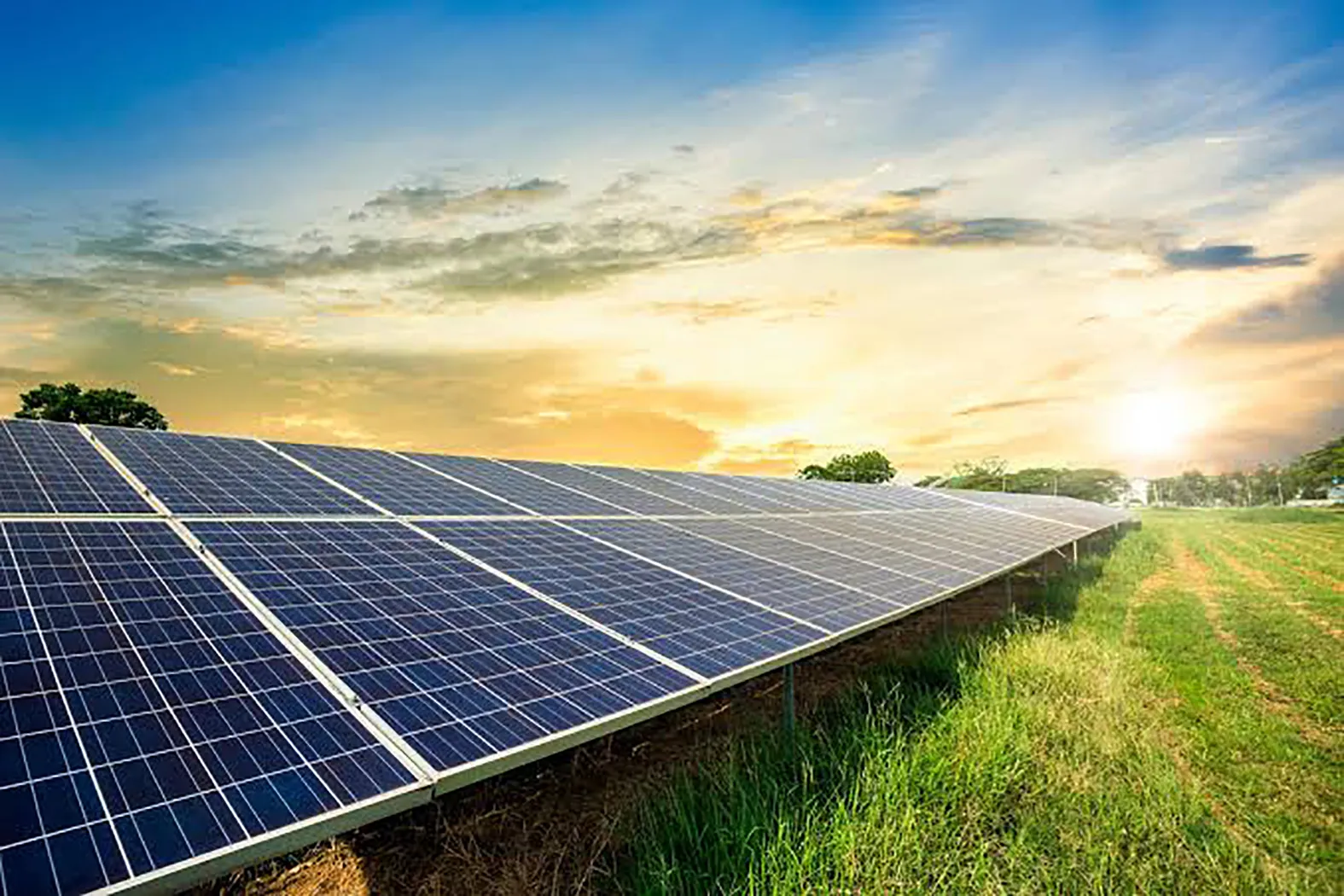
A pilot phase of the project has already been implemented, with 16 solar platforms installed across 14 regions of the country. The platforms have provided energy access to rural communities and demonstrated the potential for solar energy to support agricultural development. Building on this success, the Aner plans to deploy 200 new solar platforms and 4,500 solar pumps across the country. The pumps will be used for irrigation and other agricultural purposes, reducing the reliance on diesel-powered pumps and lowering the costs for farmers.
The solar pumps will be used to irrigate crops and provide energy for other agricultural activities, reducing the reliance on diesel-powered pumps and lowering the costs for farmers. The project will also provide training and maintenance support to ensure that the pumps are used effectively and efficiently. In addition to the solar pumps, the project will also establish a system for monitoring and evaluating the impact of the project on rural development and agricultural productivity.
The project is part of a broader effort to promote sustainable development and reduce poverty in Senegal. The government has set a goal of increasing access to renewable energy and reducing greenhouse gas emissions, and the deployment of solar pumps is a key part of this strategy. The project is also expected to have a positive impact on the environment, reducing the reliance on fossil fuels and lowering greenhouse gas emissions.
To make the solar pumps more accessible to small-scale farmers, the government has established a financing mechanism that includes credits, subsidies, and payment plans. This will help to reduce the upfront costs of the pumps and make them more affordable for farmers. The project is also expected to create jobs and stimulate economic growth in rural areas, contributing to the country's overall development goals.
The deployment of solar pumps is a key part of Senegal's strategy to promote sustainable agricultural practices and reduce post-harvest losses. The project is expected to have a positive impact on the livelihoods of rural communities and contribute to the country's overall development goals. With the support of the Aner and other partners, the government is working to make Senegal a leader in the use of renewable energy for agricultural development.
Key points
- The Senegalese government plans to deploy nearly 4,500 solar pumps across the country to support rural development and reduce post-harvest losses.
- The project aims to provide access to clean energy for rural communities and promote sustainable agricultural practices.
- The deployment of solar pumps is part of a broader strategy to transition to renewable energy and reduce the country's reliance on fossil fuels.