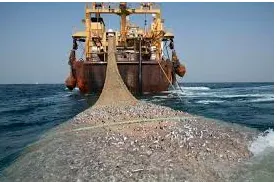
The Senegalese parliamentary committee of inquiry into the conditions for granting and renewing fishing licenses began its hearings on October 7, 2026, at the National Assembly. This move aims to shed light on the contentious process of managing the country's maritime sovereignty, long criticized by industry stakeholders for its opacity. The committee, comprising 11 deputies, was established in response to a major crisis in the artisanal fishing sector along Senegal's coast.
The crisis in the fishing sector has been attributed to several factors, including the frequent allocation of licenses to foreign and industrial vessels at the expense of local artisanal boats. There are also allegations of administrative irregularities, technical anomalies, and significant payment arrears of fines owed to the state. Furthermore, the absence of scientific data has raised concerns, as numerous fishing authorizations have been granted or renewed in recent years without prior studies to ensure the biological rest and sustainability of species.
The social unrest caused by the alarming scarcity of fish has pushed hundreds of families into precariousness or clandestine emigration, prompting the new regime to expedite the sector's audit. To reconstruct the chain of responsibilities since 2015, parliamentarians have decided to question high-ranking sector officials. The first day's schedule included hearings with Mamadou Abibou Diagne, secretary general of the Ministry of Fisheries and Maritime Economy, and Cheikh Fall, current director of Maritime Fisheries.
The hearings, closely followed by fishermen's organizations and local monitoring committees, are expected to continue behind closed doors for several weeks to establish a definitive list of illegitimate beneficiaries. The committee's work has sparked interest among various stakeholders, including those in the fishing industry and the general public. The process aims to bring transparency and accountability to the management of Senegal's fishing resources.
The fishing sector crisis has significant implications for the livelihoods of many Senegalese people, particularly those in coastal communities. The artisanal fishing sector, which is a vital source of income for many families, has been severely impacted by the decline in fish stocks and the allocation of licenses to foreign vessels. The parliamentary committee's hearings are seen as a crucial step towards addressing these issues and finding solutions to the sector's problems.
The Senegalese government has faced criticism for its handling of the fishing sector, with many accusing it of prioritizing the interests of foreign companies over those of local fishermen. The parliamentary committee's investigation is expected to shed light on these allegations and provide recommendations for improving the management of the sector. The hearings are also seen as an opportunity for the government to demonstrate its commitment to transparency and accountability.
The outcome of the parliamentary committee's hearings is expected to have significant implications for the future of Senegal's fishing industry. The committee's findings and recommendations may lead to changes in the way fishing licenses are granted and managed, as well as measures to address the decline in fish stocks and support local fishermen. The hearings are a critical step towards ensuring the sustainability of Senegal's fishing resources and the livelihoods of those who depend on them.
Key points
- The Senegalese parliamentary committee on fishing licenses has begun hearings to investigate the opaque process of granting licenses.
- The crisis in the fishing sector has significant implications for the livelihoods of many Senegalese people.
- The hearings aim to bring transparency and accountability to the management of Senegal's fishing resources.