The Senegalese National Assembly has launched four parliamentary investigations into various aspects of the country's governance, including the management of public debt between 2012 and 2026, financing related to Banco Santander, efforts to combat flooding, and the use of special funds allocated by the Prime Minister's office, the High Council for Communication and Television (HCCT), and the Economic and Social Council (CESE) from 2004 to 2026.
These investigations have sparked speculation about potential indictments targeting both the current administration and previous regimes. According to Source A, the inquiries raise questions about possible prosecutions. The Parliament has noted that the Attorney General's opinion is expected within 15 days before a plenary vote. This development has significant implications for the country's political landscape, with some speculating about the possibility of dissolution of the parliament.
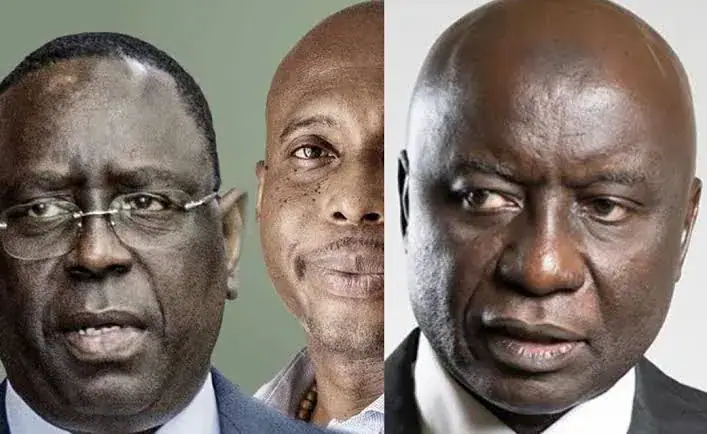
The opposition is also making moves, with Barthélémy Dias, leader of Sénégal Bi Nu Bokk, calling for a grand coalition to challenge the ruling party, Pastef, and other opposition groups. Vox Populi reports that Dias has announced plans for a "tera-coalition" with various parties, including the Alliance for the Republic (APR), Rewmi, the African Party for Democracy and Socialism (AFP), and the Democratic Party of Senegal (PDS).
Dias has stated that the goal is to build an alternative capable of restoring confidence, reestablishing the authority of the Republic, and making Senegal a respected, prosperous, and sovereign nation. However, he has set conditions for participating in a opposition bloc, according to WalfQuotidien. The proposed coalition has sparked mixed reactions, with some viewing it as a potential game-changer in the country's politics.
Tensions are also running high at the General Directorate of Taxes and Domains (DGID), where a reorganization plan has led to a split among employees. The Quotidien reports that two blocs have emerged, with an assembly of agents threatening repeated total strike action, led by Badara Gueye, secretary-general of the Said.
The DGID crisis has sparked concerns about the impact on public services, with L'Évidence suggesting that Cheikh Diba's plans to reorganize the DGID may lead to a split. However, Cheikh Diba has promised "zero loss of revenue" with the new DGCAF. The situation remains volatile, with the potential for further disruptions to public services.
On the judicial front, the Prosecutor's office has launched an investigation into the deaths of Adama Salif Lamine Diallo and Abdou Tidiane Diop, with toxicology results expected in six months.
Key points
- The Senegalese parliament has initiated four investigations into various aspects of governance.
- Barthélémy Dias has called for a grand coalition to challenge the ruling party.
- Tensions are running high at the General Directorate of Taxes and Domains over a reorganization plan.
Reporting sources
- WalFadjri · WalFadjri