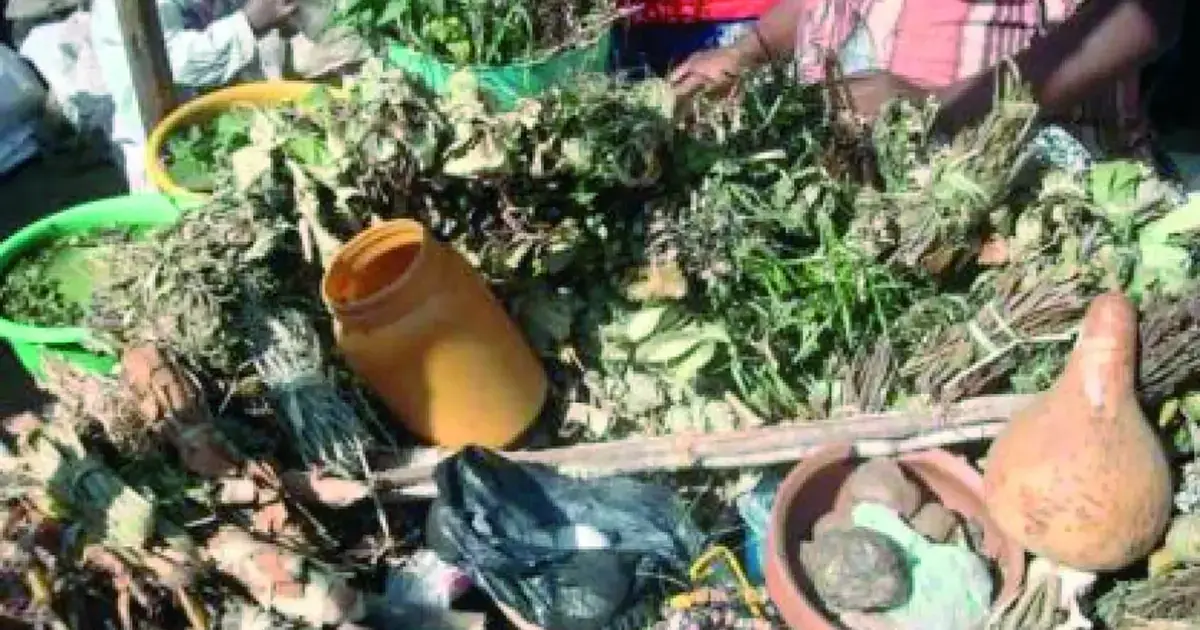
The Senegalese government is taking steps to better organize the traditional medicine sector. Authorities are working on a draft law aimed at regulating the activities of traditional practitioners and defining their status. This reform also aims to improve patient protection against uncontrolled treatments and potential hazardous practices. The bill plans to strengthen control over traditional medicine activities and provide better recognition for sector actors.
The proposed law is part of a broader effort to develop and formalize the traditional medicine sector in Senegal. The country has set an ambitious goal to develop ten phytomedicines, or plant-based medicines, by 2030. This initiative seeks to harness the country's natural resources and traditional knowledge while ensuring the quality, efficacy, and safety of products. To achieve this goal, research and development in plant-based medicines are being prioritized.
In February 2026, 17 research projects on plant-based medicines were validated, marking a significant step towards achieving Senegal's objectives. These projects are expected to contribute to the development of new medicines and therapies that are both effective and safe. The government's efforts to regulate traditional medicine and promote research in this field demonstrate its commitment to improving healthcare in Senegal.
The regulation of traditional medicine is also expected to help address concerns about the safety and efficacy of traditional treatments. Many Senegalese people rely on traditional medicine, but the lack of regulation has raised concerns about the risk of adverse reactions and interactions with conventional medicines. By establishing clear guidelines and standards, the government aims to mitigate these risks and ensure that traditional medicine is practiced safely and effectively.
The development of phytomedicines is also seen as an opportunity for Senegal to promote its cultural heritage and traditional knowledge. Traditional medicine has long been an integral part of Senegalese culture, and the government's efforts to formalize and regulate the sector are expected to help preserve this heritage. By promoting the development of plant-based medicines, Senegal can also reduce its reliance on imported medicines and promote self-sufficiency in healthcare.
The draft law on traditional medicine is currently being finalized, and stakeholders are optimistic about its potential impact on the sector. Traditional practitioners, healthcare professionals, and patient advocacy groups have been consulted during the drafting process, ensuring that the law reflects the needs and concerns of all stakeholders. Once enacted, the law is expected to provide a framework for the safe and effective practice of traditional medicine in Senegal.
The regulation of traditional medicine in Senegal is part of a broader trend towards integrating traditional and conventional medicine. Many countries are recognizing the value of traditional medicine and seeking to integrate it into their healthcare systems. By regulating traditional medicine and promoting research in this field, Senegal is positioning itself at the forefront of this trend and demonstrating its commitment to improving healthcare outcomes for its citizens.
Key points
- The Senegalese government aims to develop ten phytomedicines by 2030.