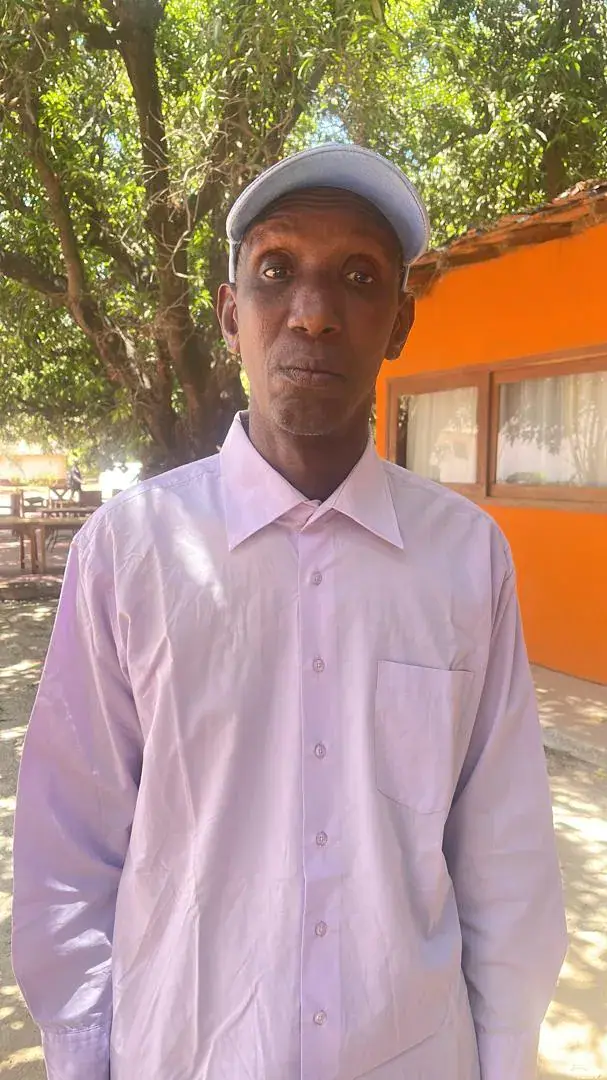
Amadou Diallo, a 54-year-old migrant from Vélingara, Senegal, has spent his life marked by the scars of a failed attempt to migrate to Europe. He survived the harsh conditions of Libya, the Niger desert, and the Mediterranean Sea, only to return to Senegal in 2007. Diallo now presides over a regional association of 2,000 returned migrants, sharing his story of trauma and resilience.
Diallo's journey began in 1984, when he first attempted to migrate to Europe. Over the course of several years, he made multiple attempts, but was unsuccessful. His experiences were marked by suffering, including witnessing the deaths of friends and acquaintances in the desert and in Libyan prisons. The memories of these events continue to haunt him.
One of the most traumatic events in Diallo's life was the 2005 assault on Melilla, a Spanish enclave in Morocco. He recounts that 20 of his companions were killed, either electrocuted or trampled, while attempting to cross the border. Those who tried to turn back were executed by smugglers. This event has left an indelible mark on Diallo.
Upon his return to Senegal, Diallo was initially optimistic about the government's Plan Reva, which aimed to support returned migrants in agricultural endeavors. However, he quickly became disillusioned with the lack of support and resources provided. Today, his association's agricultural project in Saré Coly Sallé lies dormant due to a lack of technical means and financial backing.
The psychological toll of failed migration attempts should not be underestimated. Diallo notes that many returned migrants experience a second trauma, feeling like they have failed their families and communities. The shame and guilt associated with returning empty-handed can be overwhelming, leading some to consider death as a preferable option.
Despite these challenges, Diallo remains committed to supporting his community. His association continues to advocate for the rights and needs of returned migrants. However, the lack of resources and support from the government and other organizations hinders their efforts. The Senegalese government's initiatives, such as the Baos program, have yet to make a meaningful impact on the ground.
As Diallo looks to the future, he emphasizes the need for concrete support and resources for returned migrants. His story serves as a testament to the resilience of those who have faced unimaginable hardships, and a reminder of the need for effective policies and programs to support their reintegration into society.
Key points
- Amadou Diallo's story highlights the need for effective support systems for returned migrants in Senegal.
- The Senegalese government's initiatives to support returned migrants have yet to make a meaningful impact.
- The psychological toll of failed migration attempts can be severe, leading to feelings of shame, guilt, and trauma.
Reporting sources
- De l’enfer libyen au mirage de la terre · Le Soleil