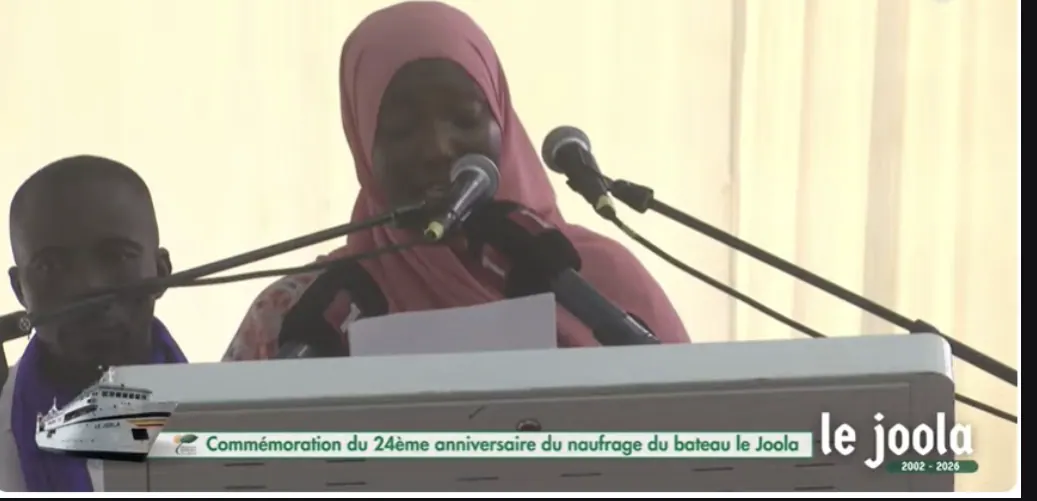
On Saturday, families and orphans of the Joola maritime disaster gathered at the Memorial-Museum in Ziguinchor to commemorate the 24th anniversary of the tragedy. They expressed frustration with the authorities' response, citing indifference, inaction, and a lack of political will. The disaster occurred on September 26, 2002, off the coast of Gambia, resulting in 1,953 deaths and 65 survivors. The victims' families and orphans, represented by a spokesperson, criticized the government's handling of the aftermath.
The spokesperson for the 1,916 orphans affected by the tragedy highlighted the "frightening and unjustified silence" that followed the disaster. The Joola was not just a coincidence or a minor incident, but a major humanitarian tragedy marred by unpunished errors. The spokesperson emphasized that 1,400 bodies were never recovered, and 210 children were lost. The orphans and families feel abandoned, despite official tributes, and the wounds remain unhealed due to unaddressed injustices.
The orphans and relatives of the victims reiterated that they will no longer accept the erasure or trivialization of their pain. They demanded concrete actions and strict respect for the memory of their loved ones. They also criticized the perception that the Joola disaster was just a minor incident, when in fact it was a "genuine human destruction." The spokesperson emphasized that today, they want to celebrate the lives, courage, and love of their departed, rather than just mourning their loss.
Liboire SAGNA, the spokesperson, delivered a scathing critique of the authorities' response to the tragedy. The orphans and survivors reaffirmed their commitment to honoring their loved ones and called on the nation's leaders to keep the memory of the victims alive. They emphasized that the Joola disaster was one of the largest maritime catastrophes in history, and it demands a commensurate response from the authorities.
The commemoration ceremony at the Memorial-Museum in Ziguinchor brought together families, orphans, and authorities to reflect on the tragedy. The event served as a poignant reminder of the devastating impact of the Joola disaster on the lives of those affected. The orphans and families continue to seek justice and recognition for their losses, 24 years after the tragedy.
The Joola disaster led to significant changes in maritime safety regulations, but for the families and orphans, the pain and trauma persist. They continue to demand accountability and action from the authorities to address their concerns and provide closure. The commemoration ceremony was an opportunity for the nation to reflect on its response to the tragedy and to reaffirm its commitment to the victims and their families.
As Senegal marks the 24th anniversary of the Joola maritime disaster, the nation is reminded of the importance of remembering and learning from its past. The orphans and families of the victims continue to seek justice, recognition, and respect for their loved ones. The authorities are urged to take concrete actions to address their concerns and provide closure for those affected by this devastating tragedy.
Key points
- Authorities' indifference and inaction have exacerbated the suffering of Joola victims' families.
- The Joola disaster resulted in 1,953 deaths and 65 survivors off the coast of Gambia on September 26, 2002.
- The orphans and families demand concrete actions and respect for the memory of their loved ones.