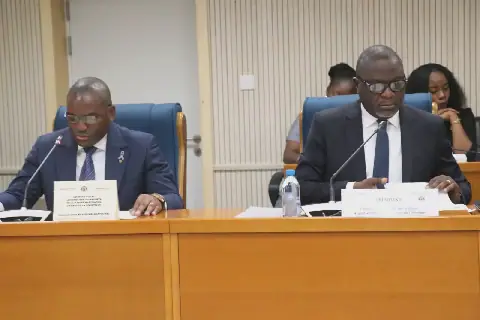
In a significant move, lawmakers in Senegal have adopted a resolution against enacting the 2026 supplementary budget by decree. This development indicates a potential shift in how the country's financial matters are being handled. The resolution was passed amid concerns over the transparency and accountability of the budget-making process. The move is seen as a way to ensure that the government's financial decisions are subject to parliamentary scrutiny.
The decision by Senegal's lawmakers comes at a time when the country's economic situation is being closely watched. The 2026 supplementary budget had been proposed by the government, but its passage by decree had raised eyebrows among legislators. They argued that such a move would undermine the role of parliament in overseeing the country's finances. By adopting this resolution, lawmakers are asserting their authority in financial matters.
Meanwhile, in Guinea-Bissau, the transitional government has announced the postponement of presidential and legislative elections to November 26, 2028. This decision comes as the country marks one year since a military takeover. The postponement has raised concerns about the country's transition to constitutional rule. The international community has been closely watching the situation in Guinea-Bissau, with many calling for a swift return to democratic governance.
The Alliance of Sahel States, comprising Burkina Faso, Mali, and Niger, has joined the ECOWAS Rice Development Program. This move is significant, despite the alliance's withdrawal from the regional bloc. The program aims to boost rice production in West Africa, and the participation of the Sahel states is expected to enhance the initiative's prospects. The development highlights the ongoing efforts to promote economic cooperation in the region.
In Nigeria, the government has declared an end to Ebola transmission following the successful containment of an imported case. The country's health authorities had been working tirelessly to prevent the spread of the disease. The declaration is a welcome relief for Nigerians, who had been concerned about the potential outbreak of the virus. The government's swift action has been commended by the international community.
The developments in Senegal, Guinea-Bissau, and Nigeria are significant in the context of West African politics and economics. The region has been experiencing a range of challenges, from military takeovers to economic uncertainty. However, there are also efforts to promote cooperation and stability, as seen in the Alliance of Sahel States' participation in the ECOWAS Rice Development Program.
As the region continues to navigate these challenges, the role of lawmakers and governments in promoting transparency and accountability will be crucial. In Senegal, the adoption of the resolution against enacting the supplementary budget by decree is a step in the right direction. It remains to be seen how this development will impact the country's economic situation and its relations with the international community.
Key points
- Senegal lawmakers adopt resolution against enacting 2026 supplementary budget by decree
- Guinea-Bissau postpones presidential and legislative elections to November 26, 2028
- Alliance of Sahel States joins ECOWAS Rice Development Program despite withdrawal from regional bloc
Reporting sources
- NewsLink 2026- 11- 26 Third Edition · West Africa Democracy Radio