President Diomaye Faye of Senegal has launched mega extractive projects aimed at attracting a $1.4 billion investment. The projects include an iron ore venture and a gold mine in Kédougou. This development is part of Senegal's efforts to boost its economy through strategic investments in the extractive sector. According to reports, the projects are expected to create jobs and increase revenue for the government. The launch of these projects is a significant step towards achieving Senegal's economic growth objectives.
The iron ore project and gold mine inauguration in Kédougou are part of Senegal's plan to leverage its natural resources for economic development. The country's extractive sector has been identified as a key driver of growth, with the government seeking to attract investments that will help unlock the sector's potential. President Faye's administration has been working to create an enabling environment for investors, with a focus on transparency and accountability in the management of natural resources.
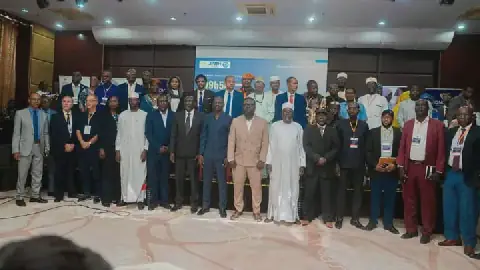
African security experts have called for intelligence-led operations and homegrown technology to combat rising threats in the region. The experts, who gathered in Nigeria, emphasized the need for African countries to develop their own solutions to security challenges, rather than relying on external assistance. They noted that the use of homegrown technology and intelligence-led operations would help to build local capacity and reduce dependence on foreign aid.
In a related development, Sierra Leone's Teachers Union has suspended its 21-day strike following renewed talks with the government over pay. The union had been demanding a salary increase, citing the high cost of living and the need for teachers to be adequately compensated. The suspension of the strike is a welcome relief for students and parents, who were affected by the industrial action.
The Sierra Leone Teachers Union's decision to suspend the strike was made after the government agreed to meet some of the union's demands. The union had been on strike for 21 days, causing disruption to the academic calendar. The agreement between the government and the union is expected to improve the welfare of teachers and enhance the quality of education in the country.
Meanwhile, Liberia has unveiled a five-year strategy to strengthen refugee protection and migration management. The strategy aims to improve the country's capacity to manage migration and provide protection to refugees. The plan includes measures to enhance border management, provide humanitarian assistance, and promote social cohesion.
Guinea-Bissau has postponed its elections to 2028, extending the military-led transition. The country's military leadership had initially promised to hold elections in 2024, but the postponement has raised concerns about the country's transition to democracy. The international community has been monitoring the situation closely, with some countries expressing concern about the delay.
Key points
- President Diomaye Faye launches $1.4 billion investment in mega extractive projects in Senegal.
- Sierra Leone's Teachers Union suspends 21-day strike after renewed talks with government.
- Liberia unveils five-year strategy to strengthen refugee protection and migration management.
Reporting sources
- NewsLink 2026- 11- 27 First Edition. · West Africa Democracy Radio