The Senegalese government has initiated a program to boost the leadership skills of its public officials, with a focus on improving the country's healthcare system. The program, called the Interministerial Executive Leadership Program (Piles), was launched on November 16, 2026, in Dakar. It is part of the government's "Vision Senegal 2050" strategy, which prioritizes healthcare as a key aspect of human capital and social equity. The program aims to equip public officials with the skills needed to drive results-oriented management.
The program is being led by the Ministry of Health and Public Hygiene, in collaboration with technical and financial partners. The first cohort of participants is expected to begin training in early 2027. A total of 230 officials from across the healthcare and administrative sectors will be involved, ranging from ministerial cabinets to remote districts. The program will focus on developing skills in areas such as results-oriented management, risk governance, public ethics, and artificial intelligence.
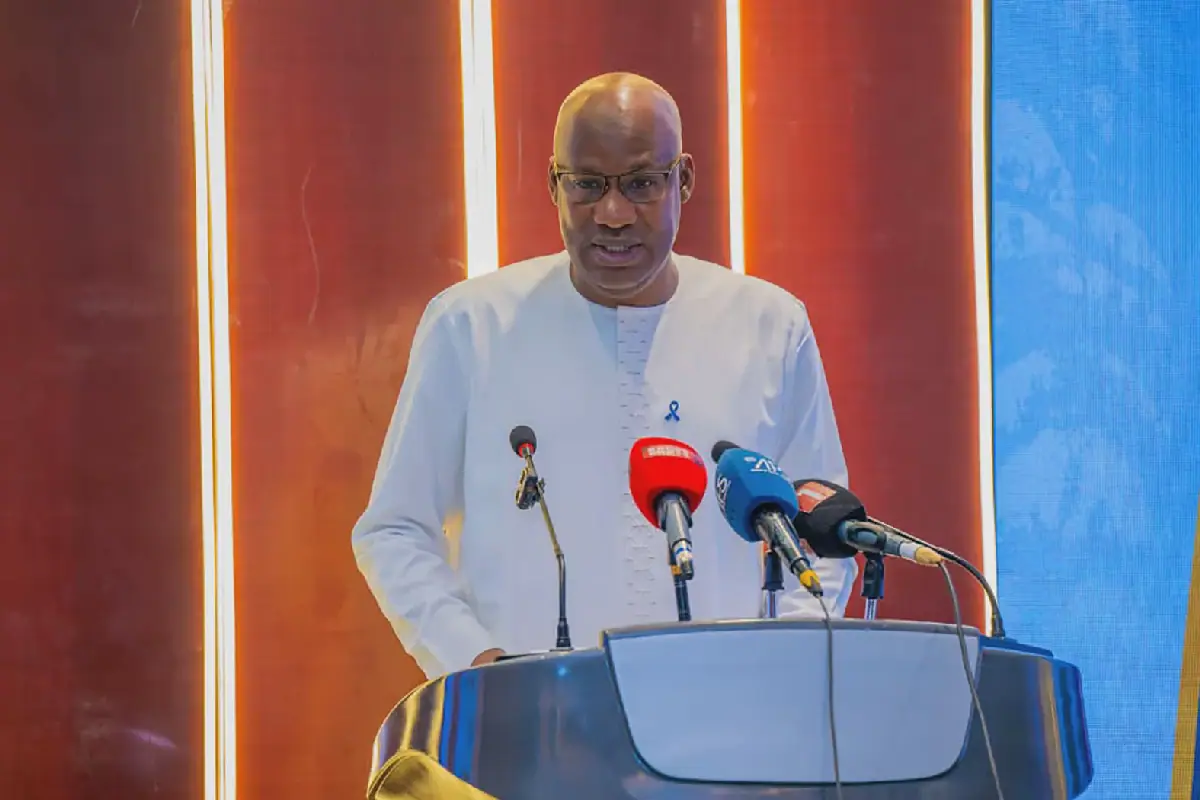
The program's launch was attended by Health Minister Ibrahima Sy, who emphasized the need for a paradigm shift in the country's healthcare approach. He called for a move from a historically curative-focused system to a more preventive approach, which would help contain soaring healthcare costs. The minister also highlighted the importance of leadership in driving this change, saying that policies, resources, and reforms alone are not enough to achieve the desired outcomes.
The World Health Organization (WHO) has welcomed the program, with its representative in Senegal, Dr. Nda Konan Michel Yao, describing it as a crucial element in improving healthcare outcomes. The program's curriculum includes modules on delivery, risk governance, public ethics, and artificial intelligence, which are seen as essential for addressing the country's healthcare challenges. These challenges include reducing maternal, neonatal, and infant mortality rates, promoting pharmaceutical sovereignty, and digitalizing healthcare services.
To ensure the program's sustainability, the Ministry of Health has opted to internalize the training process by selecting 30 agents to form the first promotion of trainers. These trainers will be responsible for cascading the training to other officials, thereby creating a multiplier effect. The program's impact is expected to be significant, with the potential to improve healthcare outcomes and accelerate reforms in the sector.
The program's focus on leadership development is seen as critical to achieving the country's healthcare goals. By equipping public officials with the necessary skills, the program aims to enhance their ability to translate strategic orientations into concrete results. This, in turn, is expected to improve the overall quality of healthcare services and outcomes in Senegal.
The launch of the program marks a significant milestone in Senegal's efforts to improve its healthcare system. With the support of international partners, including the WHO, the program is poised to make a positive impact on the country's healthcare landscape. As the program gets underway, stakeholders will be watching closely to assess its effectiveness in driving change and improving healthcare outcomes in Senegal.
Key points
- The program aims to equip 230 public officials with leadership skills to drive results-oriented management in healthcare.