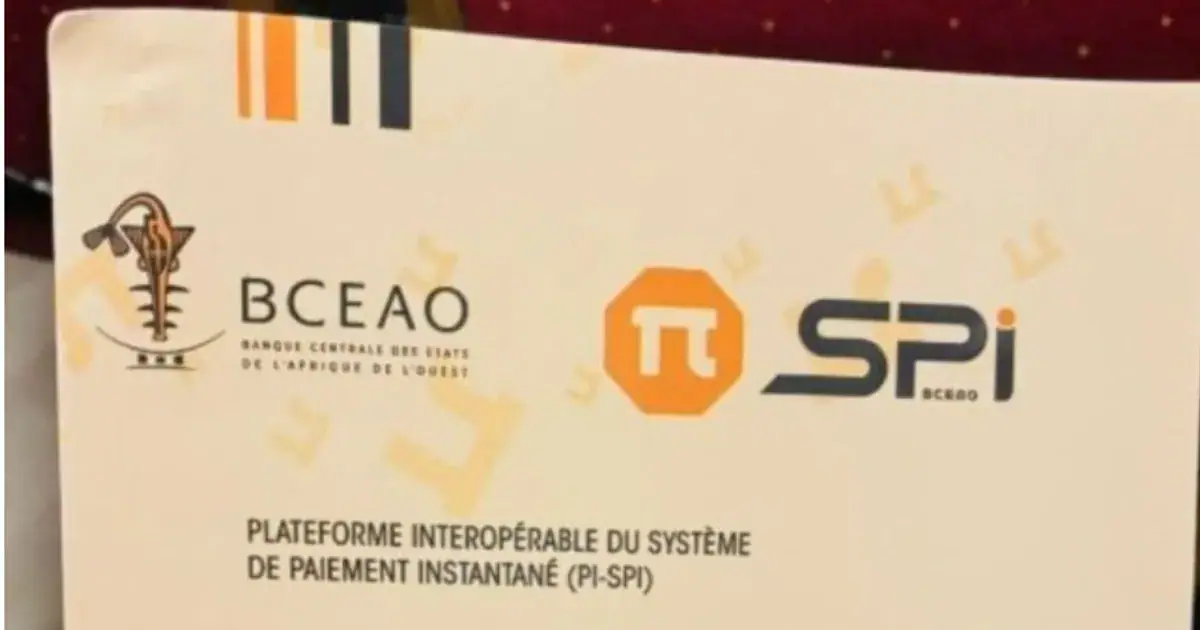
The West African Economic and Monetary Union (UEMOA) has introduced a new instant payment platform, known as the Interoperable Instant Payment System (PI-SPI), which became operational on November 2, 2026. The platform, designed and operated by the Central Bank of West African States (BCEAO), enables instant transfers between different financial institutions, including banks, microfinance institutions, and electronic money establishments. This new system aims to facilitate transactions across the region.
The introduction of PI-SPI has significant implications for users of electronic money in Senegal and other UEMOA countries. Prior to the implementation of the new platform, users of mobile money services, such as Orange Money and Wave, were able to transfer funds directly from their bank accounts to their mobile money accounts. However, with the new system, all interoperable electronic money transactions must now pass through the PI-SPI platform. This change has caused some disruptions, with users experiencing difficulties with transactions and expressing concerns about the lack of a transition period.
The PI-SPI platform offers several benefits, including instantaneity and permanent availability, as it operates 24/7. The platform also simplifies payments, as users no longer need to enter their bank details. Additionally, national transfers between individuals with a cumulative amount not exceeding 8,000 FCFA per day, per user, and per provider are free of charge. For amounts exceeding this limit, a maximum rate of 0.8% can be applied by providers. However, the reception of transfers remains free.
According to Dr. Souleymane Astou Diagne, an economist and researcher, the PI-SPI platform can be seen as a common highway for instant payments in the eight UEMOA countries. The platform enables any account, whether bank, mobile money, or microfinance, to send money to any other account in a few seconds. Dr. Diagne highlights that the platform's main advantages include instantaneity, simplified payments, and free national operations. However, he also notes that there are constraints related to the platform's use, including incomplete coverage and the need for a minimum level of digital literacy.
The implementation of PI-SPI has raised concerns among mobile money operators, such as Wave and Orange Money. These operators may see their revenue margins reduced, as the new platform enables users to transfer funds directly between accounts, reducing the need for cash withdrawals. The platform's impact on the business model of mobile money operators remains to be seen.
The PI-SPI platform is expected to have a significant impact on the financial landscape in Senegal and other UEMOA countries. The platform's ability to facilitate instant and free national transfers could increase financial inclusion and simplify transactions. However, its success will depend on the level of adoption and the ability of financial institutions to adapt to the new system.
The BCEAO has set a deadline for financial institutions to integrate with the PI-SPI platform. Banks and fintech companies had until September 30, 2026, to open their services, while microfinance institutions have until June 30, 2027. The central bank will continue to monitor the platform's implementation and assess its impact on the financial sector.
Key points
- The introduction of PI-SPI aims to facilitate instant and free national transfers between individuals.
- The platform's impact on mobile money operators remains to be seen.
- The PI-SPI platform is expected to increase financial inclusion and simplify transactions in Senegal and other UEMOA countries.