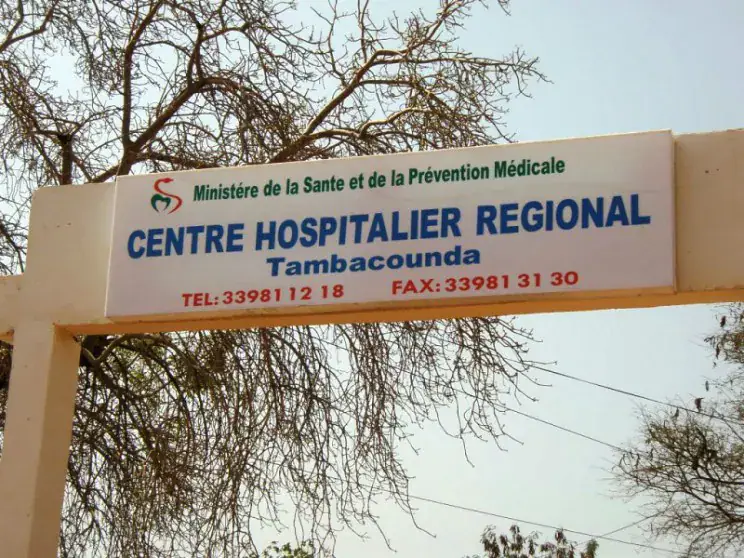
The Syndicat unique des travailleurs de la santé et de l’action sociale (SUTSAS) in Senegal's Tambacounda region has rejected the governor's directive to resume transmitting health data. According to Le Quotidien, the union maintains its strike action despite the administrative order. The governor had issued a circular note requiring the resumption of data transmission, which the union considers ineffective.
The union's regional secretary general, Thierno DIALLO, stated that the current difficulties cannot be resolved through circular notes, directives, or pressure on workers. Instead, DIALLO emphasized the need for genuine dialogue with social partners to address the crisis. The union had previously submitted a six-month notice of strike action, which was motivated by unaddressed concerns.
The SUTSAS union has expressed frustration with the Ministry of Health's lack of response to their concerns. Following a regional meeting on November 12, the union denounced the ministry's "deafness" to their issues, despite executing 19 action plans without serious national negotiations. The union highlighted problems including monthly salary deductions, precarious working conditions for contract workers, and delayed salaries.
Some contract workers have not received their salaries as of November 13, 2026, and have been subject to repeated renewals of fixed-term contracts for over ten years. The union also pointed out the degradation of working and living conditions. Furthermore, they argue that the requirement for computerized, reliable, and rapid health data is incoherent given that no chief nursing officer in the region has a work computer.
While the union acknowledges that withholding health statistics hampers planning and monitoring of the health system, they believe this impasse could have been avoided if the ministry had prioritized consultation. The union reaffirms its determination to continue the strike until national negotiations are initiated.
Liboire SAGNA reported on the situation. The union's stance indicates a deep-seated dissatisfaction with the current state of affairs in the health sector. Until their demands are addressed, the strike is likely to continue, affecting healthcare services in the region.
The situation highlights the challenges faced by healthcare workers in Senegal and the need for constructive dialogue between the union and the Ministry of Health to address these pressing issues. Three key points emerge: the union's rejection of the governor's directive, the need for genuine dialogue to resolve the crisis, and the precarious working conditions faced by contract workers.
Key points
- The union's strike action is driven by concerns over working conditions, salary deductions, and delayed payments.
- The Ministry of Health's lack of response to the union's concerns has exacerbated the situation.
- The union demands genuine dialogue with social partners to address the crisis.
Reporting sources
- WalFadjri · WalFadjri