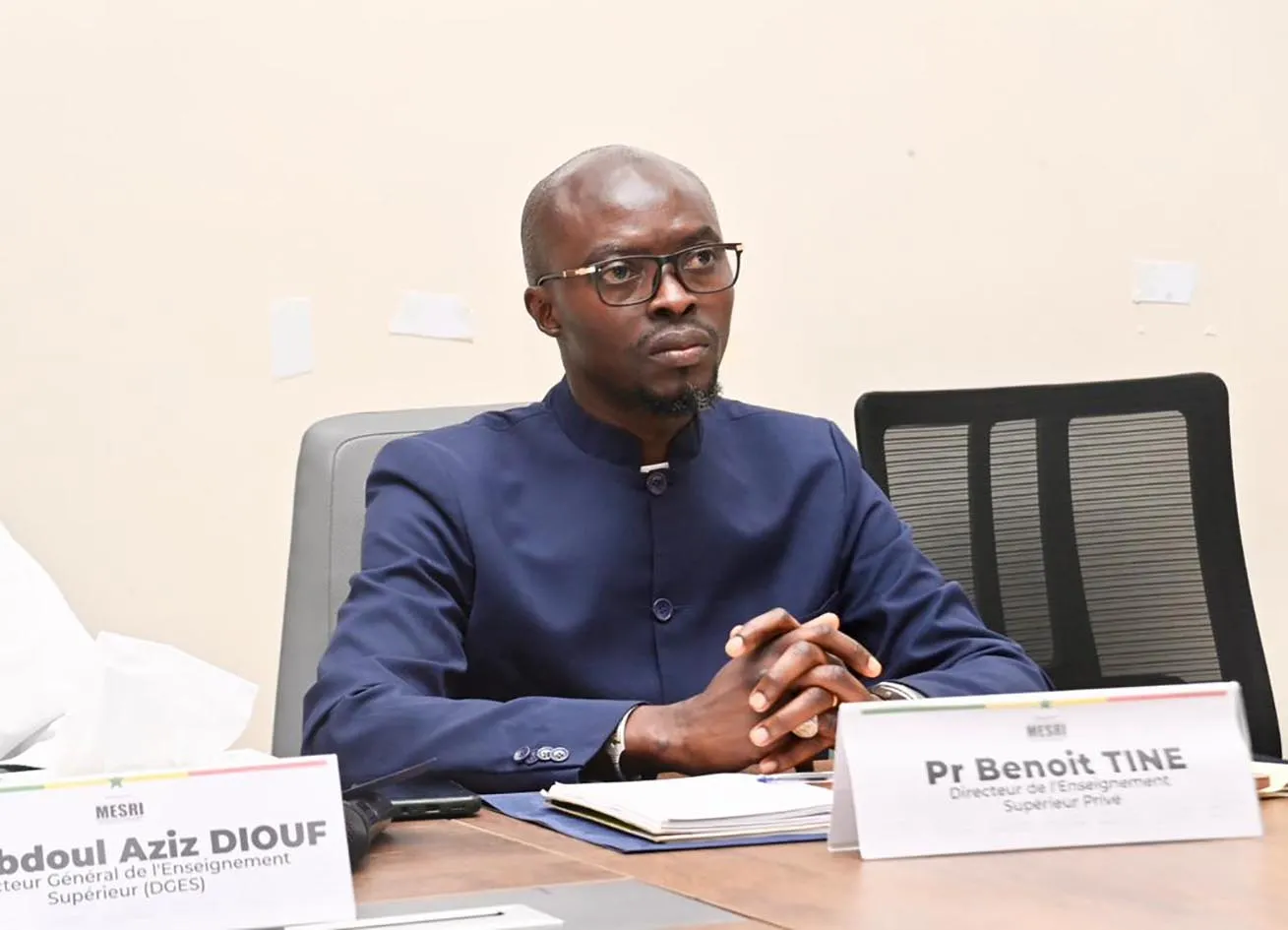
The Senegalese government has recently intensified its scrutiny of private higher education institutions, resulting in 34 establishments being declared unrecognized by the relevant authorities. According to Professor Benoit Tine, Director of Private Higher Education at the Ministry of Higher Education, these institutions have been invited to cease all activities related to the LMD system, which includes Licence, Master, and Doctorat programs. This move aims to ensure that only accredited institutions operate in the country.
The institutions in question have been instructed to approach the competent services to rectify their status. In the meantime, parents are advised not to enroll their children in these unrecognized establishments. Professor Tine emphasized that students currently enrolled in these institutions will not be able to validate their degrees, as they are not recognized by the state. This decision is part of a broader effort to maintain the quality and integrity of higher education in Senegal.
According to Professor Tine, the government has been working closely with various stakeholders to establish a dialogue and ensure that private higher education institutions adhere to the necessary regulations. He stressed that this process is ongoing and requires continuous effort to maintain the standards of higher education. The goal is to create a healthy ecosystem for private higher education, with recognized institutions that have obtained the necessary accreditation.
The 34 unrecognized institutions lack the necessary authorization, including a provisional agreement or institutional habilitation to award degrees. Professor Tine described this as a serious breach of regulations, which could compromise the future of many students and damage the reputation of private higher education in Senegal. The government's action is aimed at protecting students and maintaining the credibility of the education system.
As of September 30, 2026, Senegal has a total of 333 private higher education institutions operating in various fields, including science, literature, languages, and arts. Many of these institutions have earned a reputation for quality, professional insertion, and entrepreneurship. Professor Tine emphasized that the government is committed to supporting and accompanying these recognized institutions.
One of the institutions listed as unrecognized, the Institut Supérieur d'Entrepreneuriat et de Gestion (ISEG), has contested the government's decision, citing its possession of the necessary legal documents to continue its activities. The ISEG claims to have a definitive agreement from 1996 and an institutional habilitation for distance learning programs. The institution has announced plans to take legal action to defend its reputation.
The government's crackdown on unrecognized private higher education institutions reflects its commitment to ensuring the quality and integrity of education in Senegal. The move is expected to have a positive impact on the country's education sector, protecting students and promoting recognized institutions that meet the necessary standards. The government will continue to work with stakeholders to maintain a healthy ecosystem for private higher education.
Key points
- The Senegalese government has issued cease and desist orders to 34 unrecognized private higher education institutions.
- The institutions in question lack the necessary authorization, including a provisional agreement or institutional habilitation to award degrees.
- The government aims to create a healthy ecosystem for private higher education, with recognized institutions that have obtained the necessary accreditation.