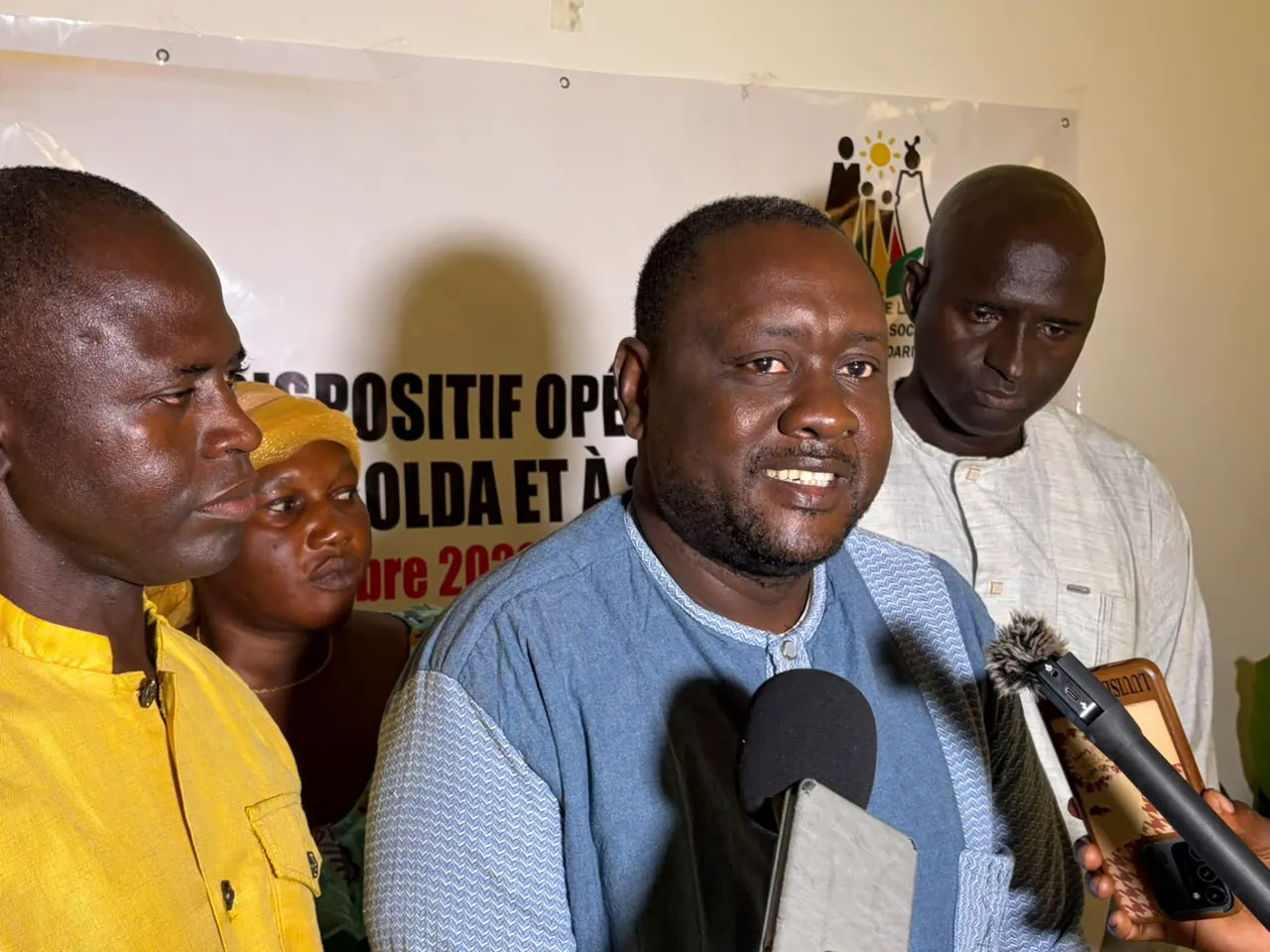
In Senegal's Sédhiou region, the fight against female genital mutilation (FGM) is far from over. As the second most affected region in the country, local actors, government services, and civil society organizations are joining forces to consolidate gains and prevent relapses. A recent two-day gathering in Sédhiou brought together community leaders and state officials to discuss follow-up mechanisms after public declarations of abandonment. This move aims to ensure the sustainability of commitments made by communities to end the practice.
According to Mamadou Ndoye, focal point for the fight against FGM at the Ministry of Family, Social Action, and Solidarity, public declarations of abandonment should not be seen as the end of the process. He emphasized the importance of monitoring and follow-up, as these declarations are often perceived as the final stage in the fight against FGM. The regions of Diredji and Sansamba have recently made public declarations of abandonment, and government services, communities, and NGOs like Tostan are working together to consolidate these commitments.
Senegal has implemented three national action plans to abandon FGM, with the first plan covering 2000-2005 and undergoing evaluation. The third plan, currently in execution, places significant emphasis on holding various actors accountable and adopts a multisectoral approach to strengthen actions against FGM. This approach aims to contribute to the achievement of the Sustainable Development Goals (SDGs) by 2030. The plans have shown some success, but the prevalence of FGM remains high in Sédhiou, particularly among girls aged 0-15.
Despite a downward trend, Sédhiou still ranks second nationally in terms of FGM prevalence. Community leaders and officials recognize that abandoning deeply rooted social practices takes time. To accelerate progress, there is a push to involve young people and women more actively in the fight against FGM. Women, often seen as custodians of tradition, are being encouraged to play a greater role in sensitizing communities and promoting behavioral change.
The goal now is to transform declarations of abandonment into lasting commitments through regular community monitoring and continuous mobilization of all actors. Recent localities to declare abandonment, such as Diredji and Sansamba, are being supported by government and non-governmental organizations to ensure the sustainability of these commitments. This collaborative approach aims to address the sociocultural dimensions of FGM and promote a lasting end to the practice.
The involvement of women and young people is seen as crucial in the efforts to eradicate FGM. By empowering them to take on more active roles in community sensitization and education, the hope is to create a ripple effect that will lead to the abandonment of FGM across the region. This strategy also aims to promote gender equality and respect for human rights, particularly for young girls and women.
As Senegal continues its fight against FGM, the focus is on ensuring that public declarations of abandonment translate into concrete actions and lasting change. With continued collaboration between government agencies, community leaders, and civil society organizations, there is hope that Sédhiou and other affected regions will make significant progress in the fight against this harmful practice.
Key points
- The Senegalese government and its partners are working to consolidate commitments to end female genital mutilation through follow-up mechanisms and community engagement.