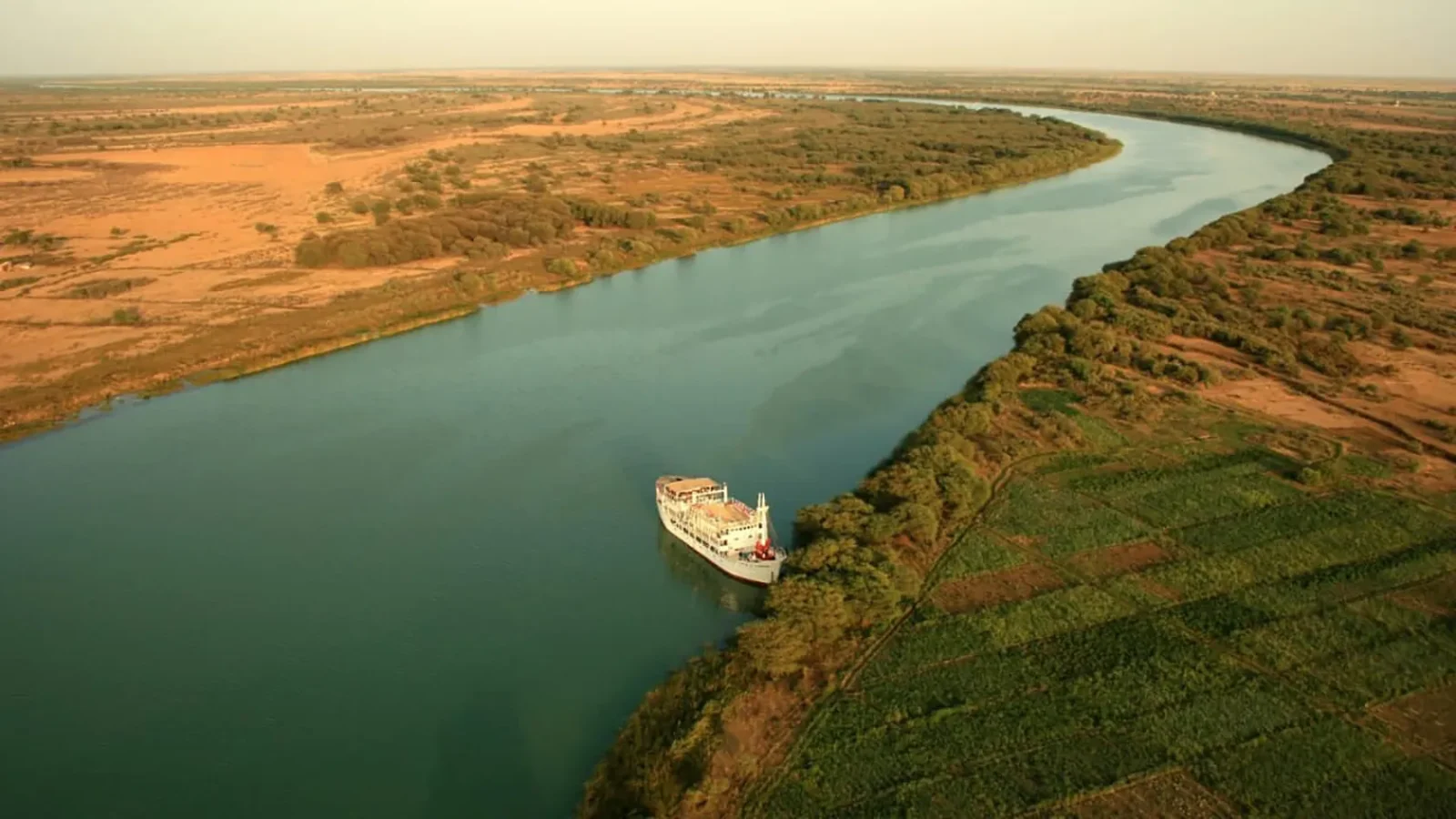
The Senegal River Valley is set to become a hub of economic integration and development, as Senegal and Mauritania launched a program to promote cooperation and resilience in the region. The program, known as the Resilience and Community Development Program for the Senegal River Valley (Prdc-Vfs), was officially launched on September 29 in Dakar. The program aims to strengthen economic integration and resilience in the face of climate change.
The program is supported by the World Bank and brings together governors, walis, local officials, and representatives from the World Bank and Spanish cooperation. The committee, co-chaired by Senegal's Minister of Infrastructure, Déthié Fall, and Mauritania's Minister of Agriculture and Food Sovereignty, aims to promote cooperation and development in the region. The initiative aligns with the vision of Senegalese President Bassirou Diomaye Faye and Mauritanian President Mohamed Ould Cheikh El Ghazouani.
The program seeks to address challenges that transcend administrative borders, including pressure on natural resources, access to water, and economic insertion of young people and women. The initiative aims to contribute to better exploitation of the region's potential through mapping of value chains and identification of high-potential sectors. The program also focuses on improving productivity, modernizing rural infrastructure, and strengthening food security.
Climate change is a central aspect of the program, with a focus on strengthening communities' ability to cope with its effects while developing economic activities that generate income. The committee emphasized the importance of close coordination between national, regional, and local levels to ensure coherence of interventions. The program also promotes the creation of local cross-border cooperation groups (Glct) to enable Senegalese and Mauritanian territorial authorities to work together.
The Glct is an innovative tool that allows territorial authorities to co-invest, manage common infrastructure, and respond to population needs. The committee adopted a one-year roadmap to guide the first year of program implementation. The program aims to consolidate the foundations of closer economic, social, and territorial integration between Senegal and Mauritania in the Senegal River Valley.
The program's implementation will involve various stakeholders, including local authorities, civil society organizations, and the private sector. The World Bank's support is critical to the program's success, providing technical and financial assistance to ensure its effective implementation. The program's success will depend on the commitment and collaboration of all stakeholders involved.
The launch of the Prdc-Vfs program marks a significant step towards promoting economic integration and resilience in the Senegal River Valley. The program's focus on cooperation, innovation, and sustainability is expected to have a positive impact on the lives of people in the region. Key stakeholders will continue to work together to ensure the program's success and achieve its objectives.
Key points
- The program aims to strengthen economic integration and resilience in the Senegal River Valley.
- The initiative is supported by the World Bank and brings together stakeholders from Senegal, Mauritania, and international organizations.
- The program focuses on improving productivity, modernizing rural infrastructure, and strengthening food security in the region.