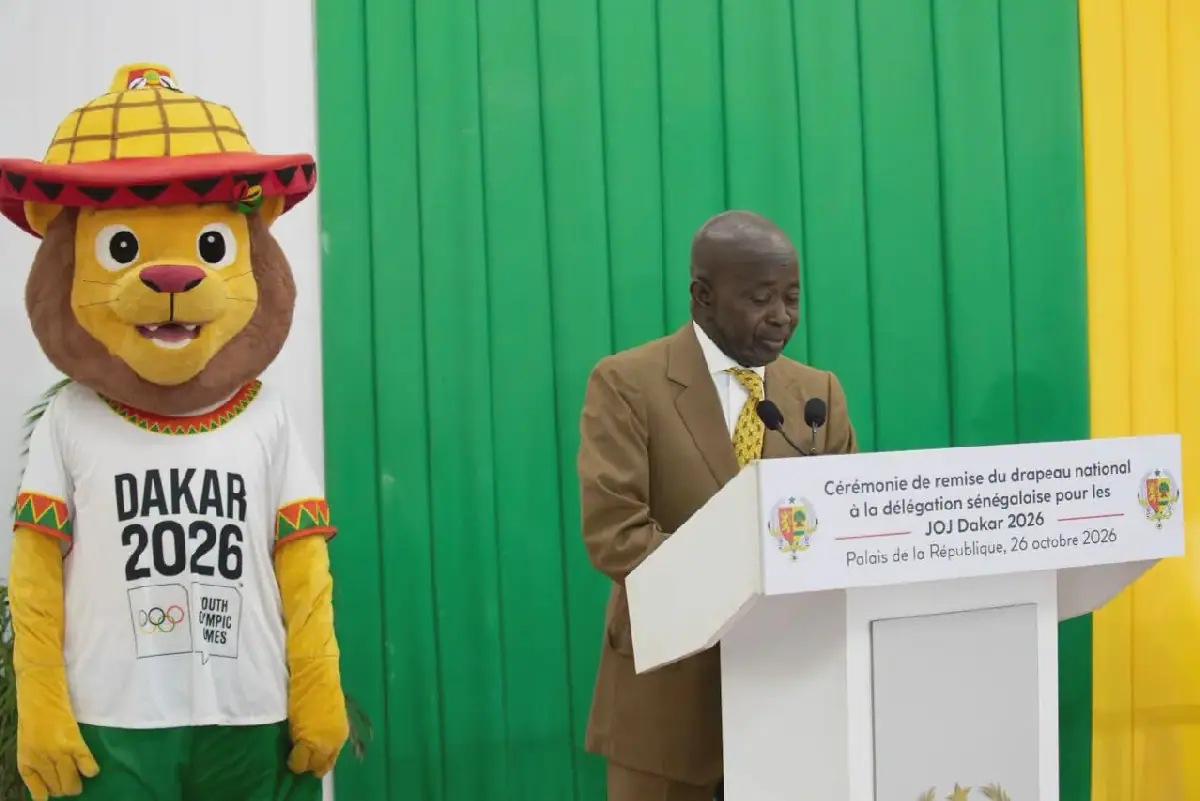
The 2026 Youth Olympic Games in Dakar, Senegal, are expected to be a pivotal moment for the country's youth. According to Mamadou Diagna Ndiaye, president of the Senegalese National Olympic and Sports Committee (CNOSS), the event should not be limited to a two-week sporting competition. Instead, he envisions a broader impact on the country's youth, focusing on their formation, the development of sports infrastructure, and the creation of sustainable economic opportunities.
Ndiaye's vision for the post-JOJ period involves creating sports academies in coastal cities such as Dakar, Rufisque, and Saint-Louis. These academies would provide young people with training and professional development opportunities, helping to curb irregular migration. The goal is to offer a framework for young people to develop their sports skills while opening up prospects for technical training and employment. This approach sees sports as a tool for social and professional integration.
The CNOSS president emphasizes that the success of the Games will not be measured solely by the quality of the competitions but also by the country's ability to transform the experience into concrete opportunities for future generations. He believes that the youth should be both actors in and beneficiaries of the Games' legacy. To achieve this, Ndiaye is exploring financing mechanisms with the World Bank and discussing possibilities with the Minister of Economy and Finance.
Ndiaye stresses that the sustainability of these initiatives requires state involvement. The CNOSS can help launch the dynamic, but the implementation of training and integration policies relies on public authorities. He uses the phrase "fifteen days of Games, fifty years of heritage" to emphasize the importance of leaving a lasting legacy. This heritage should be material, through the construction or renovation of infrastructure, as well as human and social, through the opportunities provided to young people.
The modernization of sports infrastructure is one of the main expected outcomes of Dakar 2026. To ensure that these facilities have a lasting impact, the organizers have prioritized the rehabilitation of existing installations, such as the Iba Mar Diop stadium, and the construction of new ones, like the Olympic swimming pool. These facilities will not only host the Games but also provide a space for local clubs and young categories to practice and develop their skills.
The management and maintenance of these infrastructures after the Games are crucial to their sustainability. Ndiaye suggests that a dedicated structure could be created to centralize the management of the facilities, organize their use, and prevent their degradation. He cites Monaco as an example of a successful model, where a dedicated organization promotes the destination through sports events and international meetings.
The legacy of Dakar 2026 could also have a significant impact on the country's tourism and hospitality industries. Ndiaye believes that the Games could contribute to strengthening Senegal's visibility and stimulating interest in the country, as long as the tourist offer is up to expectations. He calls for a broader reflection on the valorization of the country's assets to maximize the benefits of the Games.
Key points
- The 2026 Youth Olympic Games in Dakar aim to leave a sustainable legacy for Senegal's youth.
- The event will focus on the formation of young people, the development of sports infrastructure, and the creation of sustainable economic opportunities.
- The Senegalese government and international organizations, such as the World Bank, are exploring financing mechanisms to support the initiative.