The Senegalese government has launched an initiative to achieve zero waste by 2035, partnering with the Zero Waste Foundation. This move follows a strategic partnership with the Turkish government, which has successfully implemented its own zero waste program, Sıfır Atık, since 2017. The Turkish model has led to a significant increase in recycling rates, from 13% to 37.53%. Senegal aims to replicate this success.
Senegal faces significant waste management challenges, producing 2.46 million tons of solid waste annually, with 58% coming from the Dakar region. Additionally, over 250,000 tons of plastic waste are generated each year, with only 10% being recycled. The government has introduced several measures, including a law on plastic products and the creation of the SONAGED and PROMOGED programs. However, coordination and valorization of waste remain major issues.
The new initiative will focus on transforming waste into an economic opportunity. The Ministry of Environment and Ecological Transition plans to work with the Zero Waste Foundation to develop a comprehensive strategy. This strategy includes strengthening the legal framework, promoting public awareness, and creating sustainable financing mechanisms. The goal is to move beyond mere waste collection and elimination to a circular economy.
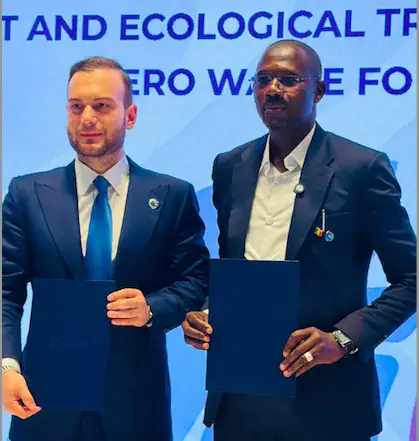
A memorandum of understanding was signed between the Senegalese Ministry of Environment and Ecological Transition and the Zero Waste Foundation during COP31 in Antalya. The agreement was facilitated by the Turkish Cooperation and Coordination Agency (TIKA). The partnership aims to support Senegal's efforts to develop its waste management infrastructure and promote sustainable practices.
The national strategy for zero waste is built around five pillars: strengthening the legal framework, promoting public awareness, developing treatment and recycling infrastructure, mobilizing citizens, and creating sustainable financing mechanisms. The plan includes measures such as compulsory sorting in public buildings, creating a certification system, and promoting composting. Micro-recycling units will be set up in regions, and informal waste collectors will be integrated into cooperatives.
Public awareness campaigns will play a crucial role in the initiative, with involvement from schools, daaras, and religious leaders. A national zero-waste day will be observed on March 30th each year. The implementation of the program will be done in three phases, from 2027 to 2035. The goal is to achieve a 25% recycling rate for plastic waste by 2030 and 40% by 2035.
The Minister of Environment and Ecological Transition, Dr. Aliou Gori Diouf, aims to not only improve the living environment but also to create green jobs and stimulate economic development through waste management. The initiative is expected to have a positive impact on the environment, public health, and the economy. The success of the program will depend on effective implementation and citizen participation.
Key points
- Senegal partners with Zero Waste Foundation to transform waste management
- The initiative aims to achieve zero waste by 2035
- The program will focus on transforming waste into an economic opportunity