The Senegalese government has taken a significant step towards modernizing its urban transport system with the introduction of 100 fully electric taxis. This initiative, led by the Banque pour le Commerce et l'Industrie (BCI), the Fonds de développement des transports terrestres (FDTT), and the Office national de la formation professionnelle (ONFP), aims to improve financing, training, and working conditions for drivers. The program plans to gradually increase the fleet to 10,000 electric vehicles by 2030.
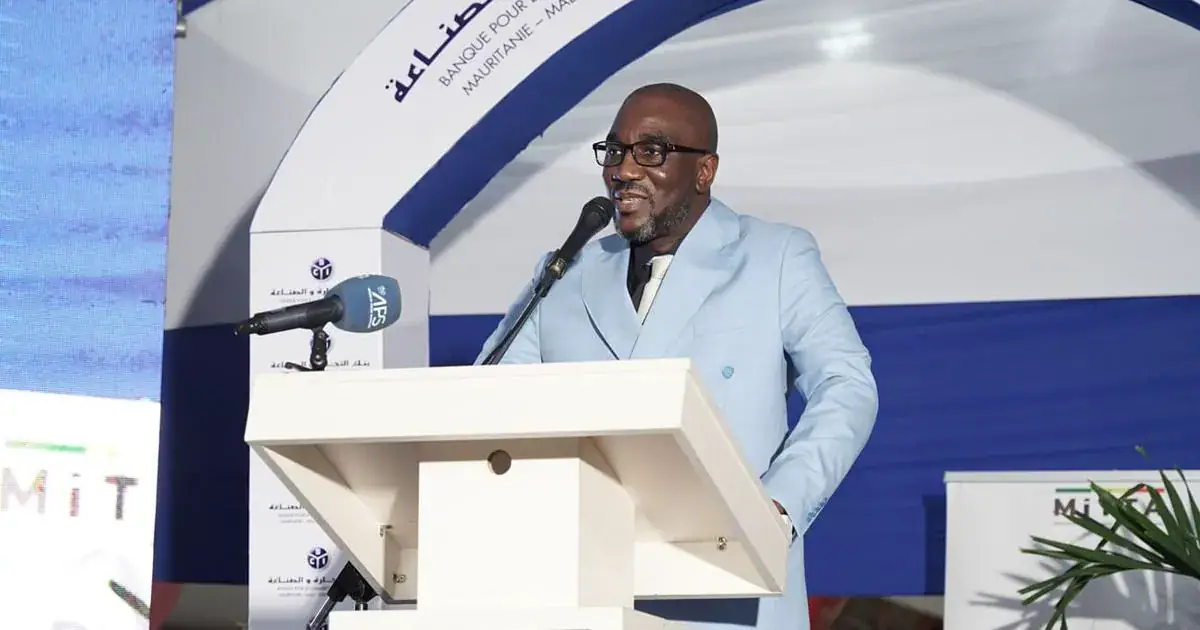
The BCI, a key player in Senegal's banking sector, is driving this initiative to transform urban transport. According to BCI's director-general, Papa Massal Dièye, the program goes beyond a simple banking operation, focusing on creating a new generation of drivers who are better integrated into the banking and professional systems. The program includes a credit-bail system, allowing drivers to become vehicle owners after four years, along with insurance, maintenance, and social coverage.
The program aims to address the need to improve the image of Senegal's transport sector. Papa Massal Dièye emphasized that the current state of transport in Senegal is "not very relieving" and that the BCI wants to correct this. The goal is to make transport professionals key players in a new urban mobility model. The introduction of 100 electric taxis is the first step in a larger program that aims to deploy 1,000 vehicles by the end of 2026 and 10,000 by 2030.
The BCI and FDTT plan to deploy 700 taxis by the end of 2026, with an additional 300 in the next phase. To support the program, the ONFP will provide training for drivers on driving and safety skills. This training will enable drivers to better respond to various situations, such as accidents, fires, and health issues. The program also includes the development of rapid charging infrastructure, with at least eight charging stations planned.
The FDTT plays a complementary role in the program, working to facilitate financing and guarantee mechanisms for transport professionals. According to Bara Sow, the FDTT's administrator, the program aims to accompany the modernization of the public transport sector and catalyze financing for Senegal's transport sector. The partnership between the BCI and FDTT has been formalized through a convention to structure financing and deployment of new urban transport vehicles.
The BCI's initiative is part of a broader effort to develop Senegal's electric mobility sector. Papa Massal Dièye emphasized that electric vehicles require adequate charging infrastructure, and the program includes plans to develop rapid charging stations. This development is expected to create a new value chain around electric mobility, involving several Senegalese companies.
The program's success will depend on its ability to create a new generation of drivers and transform Senegal's urban transport sector. With the support of the BCI, FDTT, and ONFP, the program aims to have a positive impact on the sector and provide better services to passengers. The initiative is a significant step towards modernizing Senegal's transport sector and promoting sustainable mobility.
Key points
- The Senegalese government has launched a program to deploy 10,000 electric taxis by 2030.
- The BCI and FDTT are driving the initiative to modernize urban transport and promote electric mobility.
- The program includes training for drivers, financing mechanisms, and charging infrastructure development.