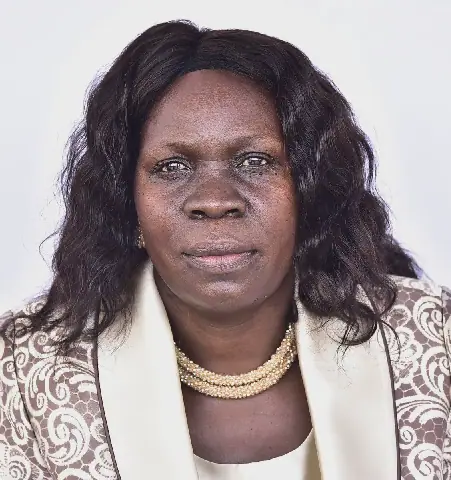
Migori Senator Eddy Oketch has attributed the decline in voter turnout in Kenya to more than just fatigue among young Kenyans. In an interview on Radio Generation, Oketch cited economic hardship, migration, election-related violence, and disruptions at polling stations as factors keeping young people away from the ballot. He noted that many young Kenyans move to towns and cities in search of jobs but remain registered to vote in their home counties, leaving some unable to afford the cost of traveling back on election day.
Oketch explained that a voter registered in counties such as Busia, Kisumu, or Mandera could move to Nairobi, Naivasha, Nakuru, or Mombasa for work but remain registered at a polling station in their home area. This can lead to voters being unable to participate in the electoral process due to financial constraints. He also pointed to challenges at polling stations, including malfunctioning Kenya Integrated Election Management System (KIEMS) kits, as another factor that could discourage participation.
The senator further raised concerns about violence during elections, saying insecurity could prevent voters from exercising their constitutional right to participate in elections. He called for adequate security at polling stations to protect voters. Oketch's comments come amid a sharp decline in voter participation between the 2017 and 2022 General Elections. According to the Independent Electoral and Boundaries Commission (IEBC), turnout fell from 78 percent in 2017 to 64.77 percent in 2022.
The IEBC recorded 22,120,458 registered voters in the 2022 election, with young people accounting for a smaller proportion of registered voters. IEBC data shows that those aged between 18 and 35 made up 39.84 percent of the register in 2022, about 5.27 percentage points lower than in 2017. An independent Votrack analysis estimated that turnout among registered voters aged 18 to 25 stood at 39 percent in 2022, compared with 72 percent among voters aged above 50.
Oketch also linked youth participation to the gap between the aspirations of younger Kenyans and the political leadership representing them. He noted that the average age of Kenyans was about 18.5 when he first sought a Senate seat in 2018, while the average age of MPs was about 63.5. Oketch suggested that the aspirations of younger people might not be carried by older people, highlighting the need for more youthful representation in leadership.
As Kenya prepares for the 2027 General Election, the IEBC said 2,936,516 people had registered as voters by August 20, 2026. The commission expects the register to reach about 28.5 million voters ahead of the polls. The ongoing Continuous Voter Registration exercise, which began on September 29, 2025, allows eligible Kenyans to register, transfer their registration, and update their voter details.
The concerns raised by Oketch highlight the need for the government and electoral commission to address the challenges facing young voters. By addressing issues such as economic hardship, migration, and election-related violence, the government can work to increase voter turnout and ensure that all eligible citizens can participate in the electoral process.
Key points
- Economic hardship and migration are major factors contributing to the decline in voter turnout among young Kenyans.
- Election-related violence and disruptions at polling stations also discourage young people from participating in the electoral process.
- The gap between the aspirations of younger Kenyans and the political leadership representing them may also affect youth participation in elections.