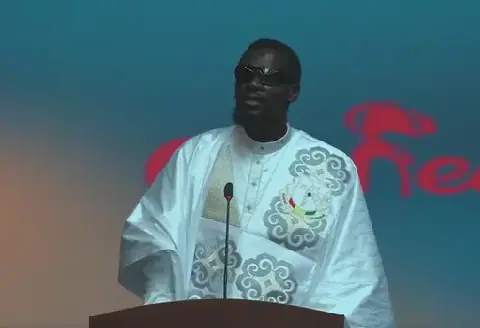
The Nigerian Senate has taken steps to address the growing concern of political violence ahead of the 2027 general election. The Senate has directed security agencies to investigate attacks on political leaders and supporters, identify their sponsors, and ensure that those responsible are prosecuted. This resolution was made following a motion sponsored by Senator Abdul Ningi, who expressed concern over the alarming pattern of political intimidation and violence across the country.
Senator Ningi cited several incidents of political violence, including the disruption of a political procession in Asaba, Delta State, on November 7, 2026, which left one person dead and five others injured. He also referenced the reported attack on the convoy of former vice president and African Democratic Congress presidential candidate, Atiku Abubakar, in Sokoto State. These incidents have raised concerns among lawmakers that they could undermine democratic participation and threaten the credibility of the forthcoming general election.
The Senate has mandated its Committees on National Security and Intelligence, Police Affairs, and Independent National Electoral Commission to engage relevant security institutions and submit a report on measures to curb political violence within one week. Senator Ali Ndume described the motion as timely and urgent, disclosing that he had personally witnessed several incidents of political violence within the previous two weeks. He condemned the reported disturbance involving President Bola Tinubu during Friday prayers at a mosque in Abuja.
Senator Kawu Ismaila accused political candidates across party lines of sponsoring the violence they publicly condemn. He alleged that some politicians recruit and encourage youths to attend political gatherings with dangerous weapons and drugs, creating conditions for electoral violence. Ismaila advocated for the prosecution of candidates whose supporters are found carrying dangerous weapons during campaigns and proposed the establishment of special courts to handle electoral offences.
The Minority Leader, Senator Abba Moro, supported the motion, describing it as a necessary intervention against the deterioration of Nigeria’s political culture. He condemned both physical violence and abusive attacks on political opponents, including those carried out through social media. Moro warned that the normalisation of such conduct could weaken democratic institutions and values.
Senator Babagida Husaini regretted the failure of successive governments to implement important recommendations of the 2008 Justice Mohammed Uwais Electoral Reform Committee on electoral violence and offences. He recalled that the committee proposed an institutional framework to address electoral offences, including the establishment of a commission and tribunal. Husaini also alleged that a political candidate in his state had publicly brandished a pistol during a political activity without consequences.
The Senate President warned that political violence was often sponsored and urged security agencies to take decisive measures to prevent it. The Senate's directive aims to ensure that those responsible for political violence are brought to justice and that the 2027 general election is held in a peaceful and credible manner.
Key points
- The Senate directs security agencies to investigate attacks on political leaders and supporters.
- The Senate mandates its committees to engage security institutions and submit a report on measures to curb political violence.
- Senators condemn political violence and call for the prosecution of those responsible.
Reporting sources
- Senate Urges Crackdown On Political Attacks, Sponsors · Independent Nigeria