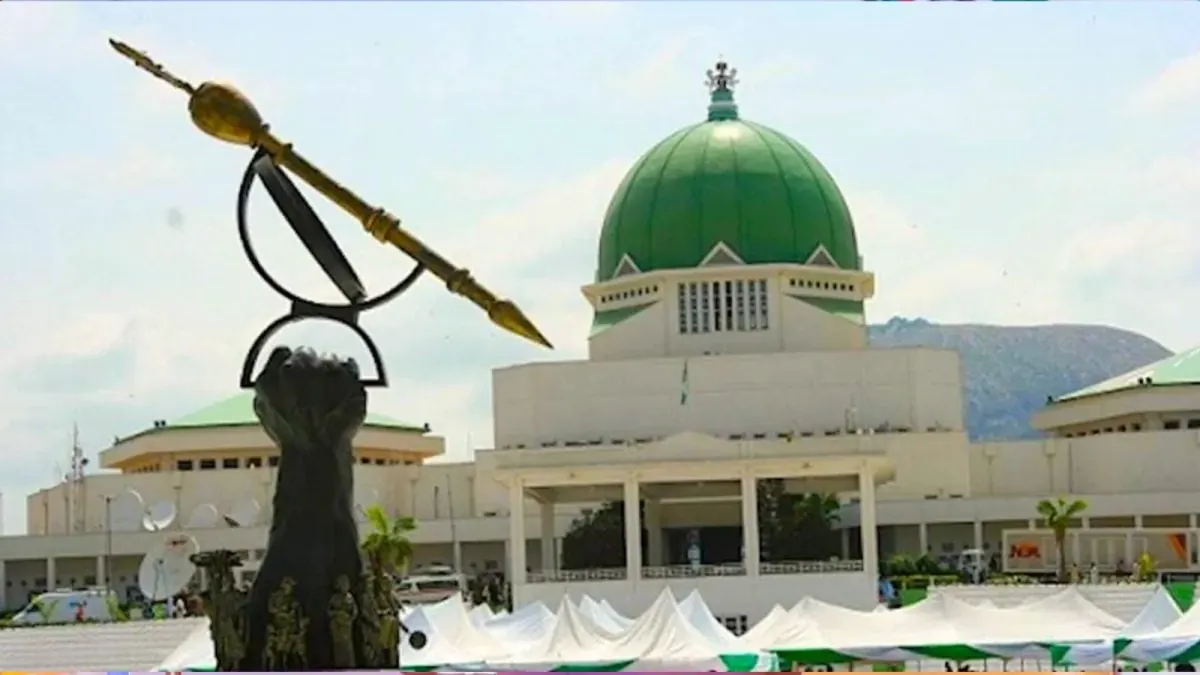
The Nigerian Senate has declined to revisit the Electoral Act 2026, citing its relevance to the upcoming 2027 general elections. According to Yemi Adaramodu, Chairman of the Senate Committee on Media and Public Affairs, the National Assembly has concluded the electoral reform process, and altering the law at this stage would be impractical. The Senate's stance comes amid recent Supreme Court judgments that reinstated certain provisions of the Act.
Adaramodu emphasized that the Electoral Act 2026 was specifically designed to regulate the 2027 elections, making immediate amendments unfeasible. He noted that the law has already guided political parties in nominating candidates and that changing the rules mid-game would be unfair. Adaramodu also stated that individuals and organizations with objections can submit petitions to the Senate, but this would not lead to the suspension or replacement of the existing law.
The Supreme Court recently restored sections of the Electoral Act 2026 that were previously invalidated by the Court of Appeal. A seven-member panel unanimously ruled that Sections 77(5), 77(6), 77(7), and 84(2) were consistent with the Constitution. These provisions relate to party membership records, participation in primaries, and candidate selection procedures. The judgment has raised questions about the eligibility of certain candidates.
The Court of Appeal had initially declared the provisions invalid in July, prompting the Independent National Electoral Commission to appeal to the Supreme Court. The apex court's decision has sparked concerns among some parties, but others have dismissed claims that the judgment affects their candidates. The Peoples Democratic Party, Allied People’s Movement, and Labour Party have rejected allegations that their candidates are impacted.
Some parties have expressed confidence in their candidates' eligibility. The Nigeria Democratic Congress, for instance, has dismissed concerns about the eligibility of its presidential candidate, Peter Obi, his running mate, Rabiu Kwankwaso, and former Deputy Senate President, Ovie Omo-Agege. The Senate's stance on the Electoral Act 2026 is clear, with Adaramodu stressing that the law will remain in force for the 2027 elections.
Adaramodu argued that altering the Electoral Act 2026 at this stage would create uncertainty and disrupt the electoral process. He emphasized that the law has already been implemented, with parties using it to produce candidates for the upcoming elections. The Senate's position is that any potential amendments or adjustments can be considered after the 2027 elections.
The Senate's decision not to revisit the Electoral Act 2026 ahead of the 2027 general elections has significant implications for Nigeria's electoral process. The Supreme Court's judgment has provided clarity on certain provisions, and parties are now expected to proceed with the elections under the existing law. The Senate's stance underscores its commitment to maintaining the stability and integrity of the electoral process.
Key points
- The Nigerian Senate has rejected calls to review the Electoral Act 2026 ahead of the 2027 general elections.
- The Supreme Court recently restored certain provisions of the Electoral Act 2026 that were previously invalidated by the Court of Appeal.
- The Senate's stance on the Electoral Act 2026 ensures that the law will remain in force for the 2027 elections.