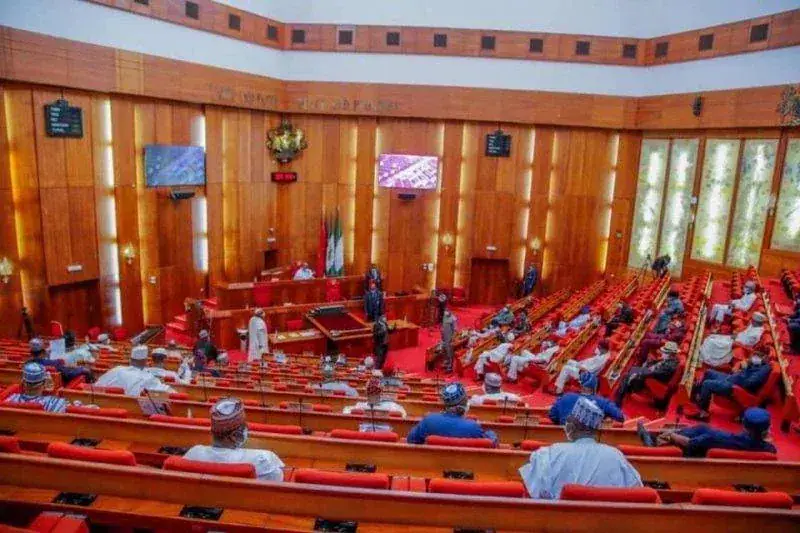
The Nigerian Senate has given six state Houses of Assembly until November 15 to communicate their positions on the proposed establishment of state police. Senate President Godswill Akpabio made the announcement during plenary, citing the need for more time to enable the remaining assemblies to make their positions known. The Senate had earlier received approval from 30 out of 36 state assemblies, exceeding the constitutional requirement of two-thirds majority.
According to Senate Leader Opeyemi Bamidele, the 30 approvals received so far represent a significant milestone in the constitutional amendment process. He listed the states that have approved the bill, including Adamawa, Akwa Ibom, Anambra, Bauchi, Bayelsa, Borno, Delta, Ebonyi, Edo, Ekiti, Enugu, Gombe, Imo, Jigawa, Kaduna, Katsina, Kebbi, Kogi, Kwara, Lagos, Nasarawa, Ogun, Ondo, Osun, Plateau, Rivers, Sokoto, Taraba, Yobe, and Zamfara. Bamidele noted that the amendment process involves three stages: passage by the national assembly, approval by at least two-thirds of state assemblies, and presidential assent.
The proposed amendment seeks to alter the 1999 Constitution to provide for the establishment of state police services, a major security reform designed to decentralize policing and allow state governments to establish and manage their own police structures. This move is expected to address longstanding concerns about the limitations of the centralized policing system, particularly in tackling insecurity across the country's diverse communities. The Senate's decision to extend the deadline is intended to allow the remaining six states to complete the process before the amendment is transmitted for presidential consideration.
Akpabio warned that any assembly that fails to respond by the November 15 deadline would be deemed to have withheld its approval. The Senate unanimously supported his appeal, ensuring that the remaining six assemblies have sufficient time to consider the proposal. The constitutional amendment process requires approval by at least two-thirds of the state assemblies before the bill can be presented to the President for assent.
The establishment of state police services is a significant aspect of Nigeria's security reform efforts. The current centralized policing system has been criticized for its limitations in addressing local security challenges. By decentralizing policing, state governments will be able to establish and manage their own police structures, tailored to their specific security needs.
The Senate's decision to give the remaining six assemblies more time to approve the proposed establishment of state police reflects the importance of ensuring that all stakeholders are on board with the constitutional amendment. With 30 assemblies already on board, the Senate is optimistic that the remaining six will complete the process before the deadline. This will enable the amendment to be transmitted to the President for assent, paving the way for the establishment of state police services.
The Nigerian Senate's move to establish state police services is a significant step towards addressing the country's security challenges. The proposed amendment has already received widespread support from 30 state assemblies, and the Senate is confident that the remaining six will follow suit. The establishment of state police services will provide a more effective and efficient security framework, enabling state governments to tackle local security challenges more effectively.
Key points
- The Nigerian Senate has set a deadline of November 15 for six state assemblies to approve the establishment of state police.
- The Senate has received approval from 30 out of 36 state assemblies, exceeding the constitutional requirement of two-thirds majority.
- The proposed amendment seeks to decentralize policing and allow state governments to establish and manage their own police structures.