The Nigerian Senate has extended the implementation period of the capital component of the 2025 Appropriations Act from September 30 to December 31, 2026. This decision aims to address concerns over delayed budget execution and uncompleted public projects across the country. The extension provides Ministries, Departments, and Agencies (MDAs) with an additional three months to implement capital projects and utilize already appropriated and released funds.
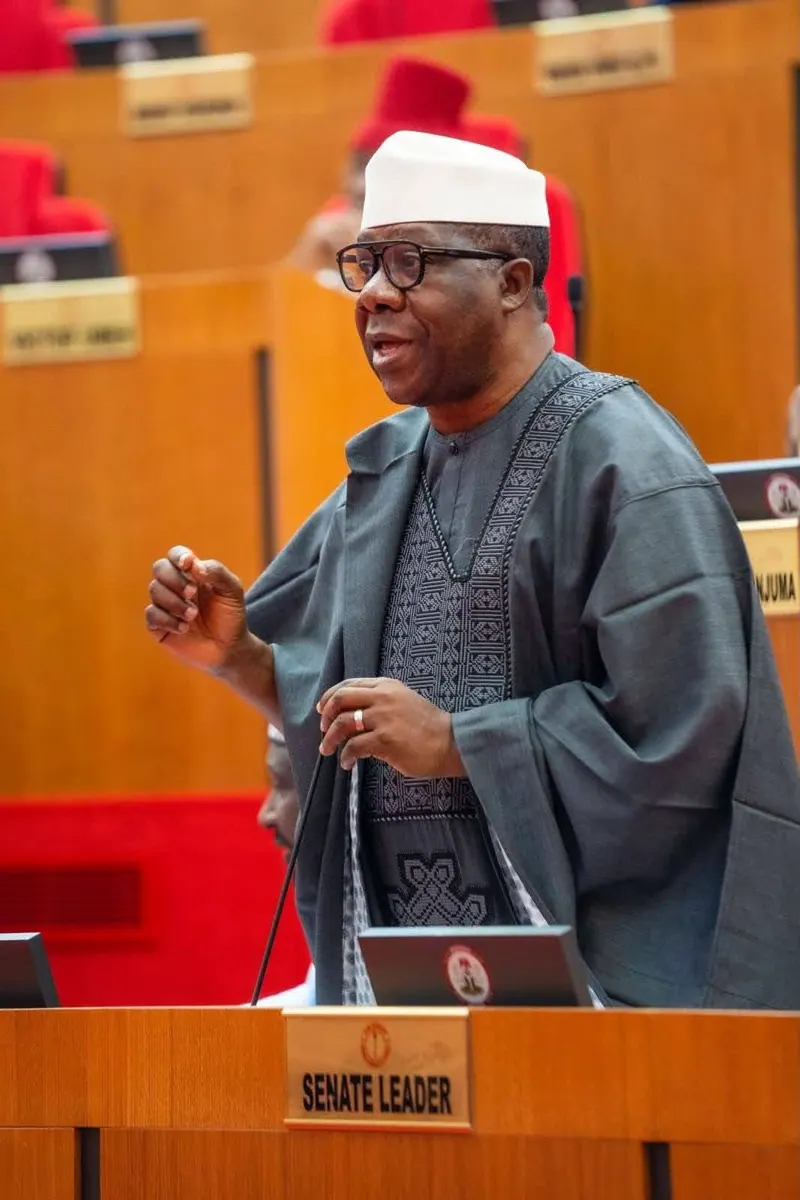
The Senate approved the extension through the passage of the Appropriations Repeal and Enactment Act 2025 Amendment Bill 2026. The bill, numbered SB 1067, was passed after the Senate considered and adopted the report of the Committee of Supply. Senate Leader Opeyemi Bamidele presented the bill, emphasizing that the extension is necessary to enable MDAs to complete capital projects for which appropriations have been made and funds released.
According to Bamidele, capital budget implementation involves several stages, including procurement, contract execution, mobilization, certification of works, and payment, which cannot always be completed within the existing timeframe. Allowing the September 30 deadline to expire could create difficulties for MDAs implementing projects already at advanced stages. The extension aims to provide a necessary legal and administrative window for MDAs to fully implement capital projects.
Bamidele warned that a significant amount of capital funds released to MDAs remained unutilized and that the extension is aimed at ensuring that public resources already appropriated are not wasted. He stressed that critical infrastructure projects at various stages of completion could be affected if the statutory implementation period expired before they were concluded. The extension does not amount to a fresh appropriation but provides additional time within the existing legislative framework.
The Senate Leader cautioned MDAs against treating the extension as a relaxation of accountability requirements, insisting that expenditure during the extended period must comply with existing financial and procurement regulations. Bamidele emphasized that the extension should not be interpreted as a relaxation of the principles of accountability, fiscal responsibility, or legislative oversight.
Senate Chief Whip Tahir Monguno noted that delays in budget implementation were caused partly by the centralized payment system domiciled in the Office of the Accountant-General of the Federation. He urged the Executive to review the policy, warning that unless the system is reviewed, the National Assembly will continue to receive requests for extensions of budget implementation periods.
The Senate President, Godswill Akpabio, said the extension is necessary to prevent further proliferation of abandoned projects across the country. He urged the Executive to use the additional period to settle outstanding payments and advance ongoing projects to completion. The extension aims to protect ongoing public investments, facilitate completion of critical projects, and maximize the value of funds already appropriated and released.
Key points
- The Nigerian Senate extends the 2025 capital budget implementation deadline to December 31, 2026.
- The extension aims to enable Ministries, Departments, and Agencies to complete capital projects and utilize already appropriated funds.
- The Senate cautions MDAs against treating the extension as a relaxation of accountability requirements.