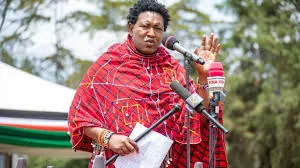
A proposed expansion of senators' powers over county governments in Kenya has faced resistance from governors, county assemblies, and the State Law Office. The County Oversight and Accountability Bill, sponsored by Narok Senator Ledama Olekina, seeks to give the Senate a stronger role in monitoring money allocated to counties and provide a formal system for public participation. The Bill, passed by the Senate on July 21, 2024, has raised concerns about its constitutionality and potential impact on devolved government.
The dispute centers on the Bill's proposal to establish a senator-led oversight and public participation programme in every county. The programme would require individual senators to establish offices in their respective counties, recruit up to three staff members, and conduct public hearings on issues affecting their counties. The Office of the Attorney-General has expressed concerns that the Constitution assigns the oversight of national revenue given to counties to the Senate as a House, rather than to individual senators.
Solicitor-General Shadrack Mose stated that Article 96(3) of the Constitution requires the Senate to exercise its oversight mandate through the institution and its committees, not individual senators. The State Law Office also raised concerns about the proposed senator-led offices and the manner in which their employees would be recruited, warning that this could result in another oversight system operating alongside existing county structures.
The Council of Governors has opposed the Bill in its entirety, citing concerns that it could interfere with the constitutional design of devolution. The council identified specific clauses as problematic, including those providing for senator-led oversight programmes and offices. The Council cited a Supreme Court ruling in 2022, which held that senators do not have a direct oversight mandate over county governments.
The County Assemblies Forum has also objected to a provision requiring county executive committee members to submit annual financial, asset, and liability reports directly to individual senators. The forum argued that county executives are constitutionally answerable to county assemblies, not individual members of Parliament. The proposed system has raised questions about its cost to the public.
Acting Kenya Law Reform Commission chief executive James Nombi told the National Assembly's Committee on Regional Development that the Bill could amount to a Money Bill, as its implementation would place a charge on public funds. The establishment of an oversight office in each of the 47 counties, with up to 141 officers in aggregate, has raised concerns about its financial implications.
The opposition to the Bill highlights the complexities of Kenya's devolved government system and the need for clarity on the roles and responsibilities of different institutions. The Bill's sponsor, Senator Ledama Olekina, will need to address the concerns raised by devolution bodies and the State Law Office to ensure the Bill's passage and implementation.
Key points
- The County Oversight and Accountability Bill has been opposed by governors, county assemblies, and the State Law Office.
- The Bill seeks to give the Senate a stronger role in monitoring money allocated to counties.
- The proposed system has raised questions about its cost to the public and potential impact on devolved government.