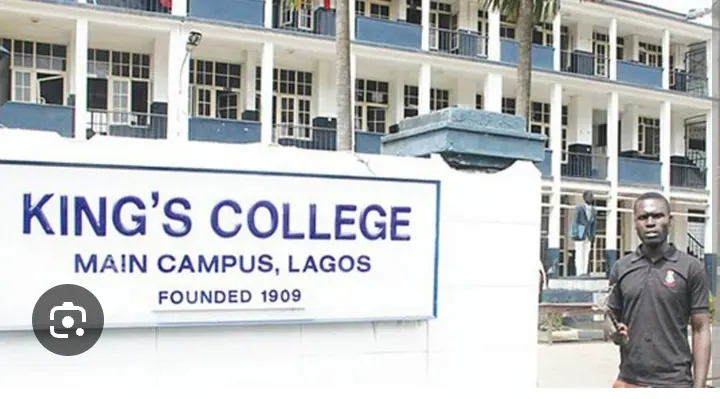
For 117 years, King’s College in Lagos has provided a first-rate education to clever children from any background. Its notable alumni include ministers, judges, professors, and captains of industry. The federal government has insisted that it is not selling the school but rather entering into a 35-year public-private partnership with the King’s College Old Boys’ Association (KCOBA). The partnership would see the KCOBA take over management, operation, and maintenance of the school.
The federal government claims that the partnership is necessary to rescue the school’s campus, which has fallen into disrepair. The KCOBA has pledged to raise a ₦100bn endowment to support the school. Additionally, federal allocations to the school would be phased out over six months. Despite assurances that the school’s ownership would remain public, concerns have been raised that the deal is a thinly veiled privatization.
Critics argue that the deal would make quality education unaffordable for millions of Nigerians. The assurance that fees will not rise is seen as unreliable, as a promise made by one administration may not bind future administrations. The substantial costs of upgrading and running the school would likely be passed on to parents, making it difficult for low-income families to afford.
The King’s College Old Boys’ Association has a history of supporting the school, and its involvement in the proposed partnership is seen as a positive development. However, concerns remain about the impact of the deal on the school’s accessibility and affordability. Many Nigerians are worried that the partnership would lead to a significant increase in fees, pricing out students from low-income backgrounds.
The proposed partnership has sparked a national debate about the role of private sector involvement in public education. While some argue that private sector participation is necessary to improve the quality of education, others believe that it would lead to the exclusion of disadvantaged students. The Nigerian government must balance the need to improve education standards with the need to ensure that quality education remains accessible to all.
The deal has also raised questions about the government’s commitment to providing quality education to all Nigerians. The government has a constitutional obligation to provide free and compulsory education to all citizens. The proposed partnership has sparked concerns that the government is shirking its responsibility and passing it on to private entities.
The outcome of the proposed partnership will have far-reaching implications for education in Nigeria. If the deal goes through, it could set a precedent for the privatization of other public schools. This could lead to a situation where quality education is only available to those who can afford it, exacerbating existing inequalities in the education sector.
Key points
- The proposed 35-year lease of King’s College Lagos to private hands has sparked concerns about accessibility and affordability.
- Critics argue that the deal is a thinly veiled privatization that would make quality education unaffordable for millions of Nigerians.
- The Nigerian government must balance the need to improve education standards with the need to ensure that quality education remains accessible to all.