In a society where appearance plays a significant role in one's confidence, Ugandans are reevaluating their approach to self-care. Caring for oneself is not about achieving perfection but rather a daily affirmation of self-worth. A young woman in Ntinda preparing for a job interview exemplifies this mindset. Despite being well-prepared, a dark mark on her cheek shifts her focus from the interview to her appearance, illustrating how small concerns can impact one's self-perception.
The relationship between appearance and self-esteem is deeply intertwined. When individuals feel clean, comfortable, and put together, they exude confidence. Conversely, feelings of neglect or shame can linger throughout the day. However, confidence does not stem from flawless skin but from being at ease in one's own body. The goal of self-care is not to transform into someone else but to nurture and appreciate one's natural self.
Unrealistic beauty standards, often perpetuated by social media, have contributed to the misconception that self-care is a luxury reserved for the wealthy. The pursuit of clear, smooth skin is natural, but it becomes problematic when individuals strive for an unattainable ideal. Harsh, unlabelled creams promising quick fixes can damage skin and lead to more significant concerns. Embracing one's natural tone and texture is essential for healthy, radiant skin.
Self-care is often viewed as a discretionary expense in Uganda, but it is, in fact, a vital investment in one's well-being. Just as a boda boda rider regularly services their motorcycle to prevent costly repairs, individuals should prioritize self-care to prevent skin problems and health issues. A modest investment in self-care can yield significant returns, including healthier skin and increased confidence.
While creams and cleansers can aid in self-care, overall well-being is also influenced by lifestyle choices. Adequate rest, hydration, and nutrition play a crucial role in maintaining healthy skin. Conversely, chronic stress can negatively impact sleep, appetite, and skin health. Engaging in stress-reducing activities, such as meditation or conversation, is an essential aspect of self-care.
Self-respect is often reflected in daily choices, such as washing one's face before bed or moisturizing hands after a long day. These small actions demonstrate a commitment to one's well-being and can have a profound impact on self-perception. By making informed choices about products and prioritizing self-care, individuals can cultivate a positive body image and confidence.
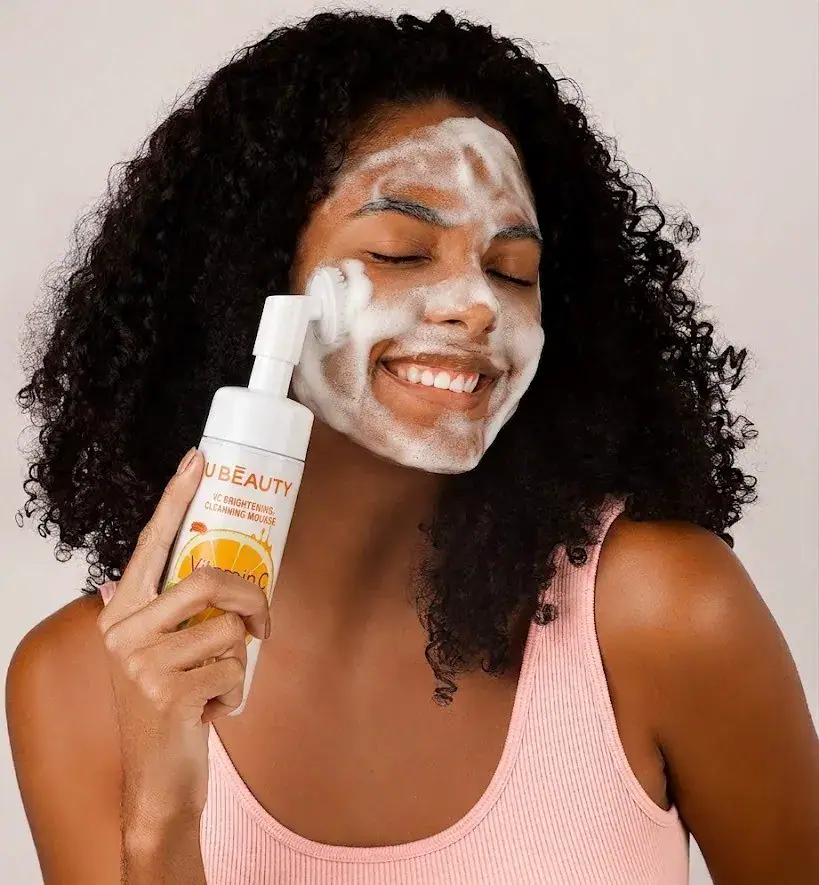
The way Ugandans discuss appearance can significantly influence the nation's beauty culture. Comments about skin tone or weight can be hurtful and long-lasting. By shifting the conversation to focus on self-care and wellness, individuals can promote a healthier and more positive attitude towards beauty. UBEAUTY, a skincare brand, has taken this approach, developing products that cater to diverse skin types and concerns while emphasizing the importance of self-care as a fundamental aspect of daily life.
Key points
- Self-care is not a luxury but an essential investment in one's confidence and well-being.
- Unrealistic beauty standards can have a negative impact on self-perception and skin health.
- Daily choices, such as adequate rest, hydration, and nutrition, play a crucial role in maintaining healthy skin and overall well-being.