Dr. Mary-Ann Dadzie, a Radiation Oncologist at the Korle-Bu Teaching Hospital in Ghana, has emphasized the importance of prompt medical attention for women with unusual breast changes. She urged women to seek care within two weeks of noticing any abnormalities, rather than delaying for months or years. According to Dr. Dadzie, early detection and treatment are crucial for improving breast cancer outcomes. Many women postpone seeking medical care despite noticing warning signs, which can lead to poor treatment outcomes.
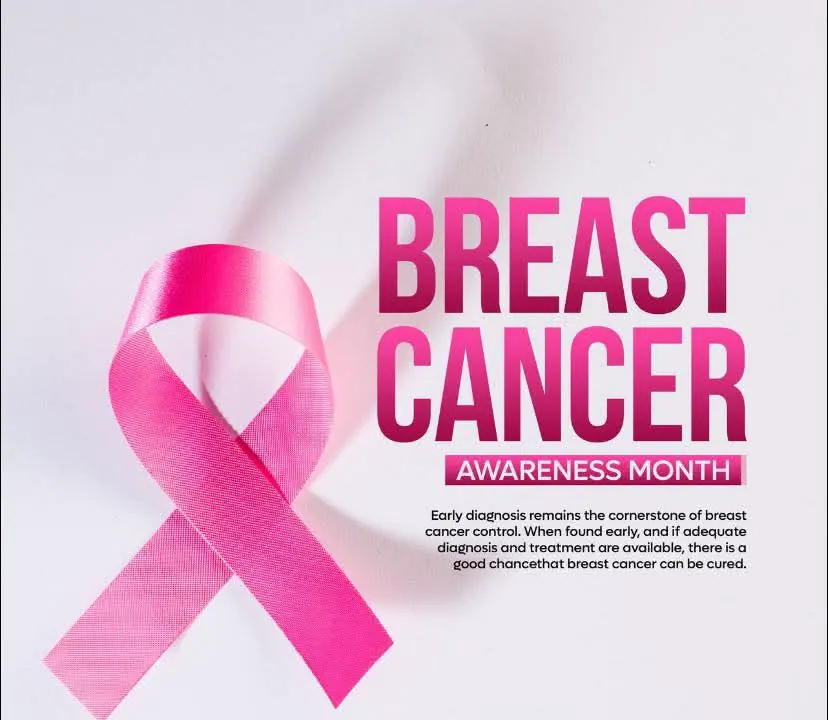
Dr. Dadzie's comments were made as part of activities marking Pink October, the annual breast cancer awareness month. She encouraged women to take charge of their breast health by becoming familiar with how their breasts normally look and feel. This self-awareness is key to recognizing unusual changes early and seeking timely medical attention. Dr. Dadzie also noted that many patients report having a lump in their breast, but sometimes she cannot find it until they show her exactly where it is.
To better identify any unusual changes, Dr. Dadzie advised women to regularly examine their breasts, particularly after their menstrual period. She also recommended regular clinical breast examinations by qualified health professionals and consultations on appropriate screening options, such as mammography or ultrasound, based on age and individual risk factors. Women diagnosed with breast cancer should adhere strictly to treatment plans and complete all prescribed care, Dr. Dadzie stressed.
The breast cancer awareness campaign, themed "Early Action, Better Outcome," aims to increase awareness of breast cancer and encourage individuals and communities to adopt healthy lifestyles, undergo screening, and seek prompt medical attention when warning signs appear. As part of the observance, the Ghana Health Service and its partners will intensify breast cancer education and awareness programs in schools, churches, mosques, workplaces, and communities through screenings, media engagements, health walks, and other health promotion activities.
Dr. Dadzie called on families, workplaces, churches, and other social groups to support breast cancer awareness efforts by encouraging open conversations about breast health and participation in screening programs. She emphasized that breast cancer is not only an individual concern but a public health issue that affects families and communities. Dr. Dadzie urged everyone to know their breasts, know the signs, and seek care early.
Breast cancer occurs when breast cells become abnormal, multiply uncontrollably, and form tumors. While it is more common among women over 50, it can also affect younger women and men. Common symptoms include breast lumps, skin thickening, nipple discharge, dimpling or irritation of the breast skin, redness or flaking around the nipple, changes in breast size or shape, and persistent pain in the breast or nipple area.
Treatment options for breast cancer include surgery, radiation therapy, and drug therapies. Early diagnosis significantly improves the chances of successful treatment. Dr. Dadzie cautioned women against waiting until a breast change becomes painful or significantly disrupts daily activities before seeking medical attention.
Key points
- Dr. Mary-Ann Dadzie urges women to seek medical attention within two weeks of noticing unusual breast changes.
- Early detection and prompt treatment are crucial for improving breast cancer outcomes.
- Breast cancer awareness efforts should be supported by families, workplaces, churches, and other social groups.