Children in the Sebei sub-region of Uganda have urged parents, teachers, and community leaders to take action against female genital mutilation (FGM), child marriages, and teenage pregnancies. These practices, they argue, pose significant threats to girls' health, education, and future opportunities. The call to action was made during a marathon event at Boma Grounds in Kapchorwa District, organized by the districts of Sebei, Bukwo, and Kapchorwa, with support from the United Nations Children's Fund (UNICEF).
The event, which marked the launch of activities to commemorate World Children's Day, was led by 13-year-old Samantha Chemutai, a pupil at Faith Home Primary School. The children emphasized that FGM, early marriages, and teenage pregnancies expose girls to trauma, serious health complications, school dropouts, and lifelong disabilities. They stressed the need for strengthened guidance, counseling, and community sensitization to protect girls from these harmful cultural practices.
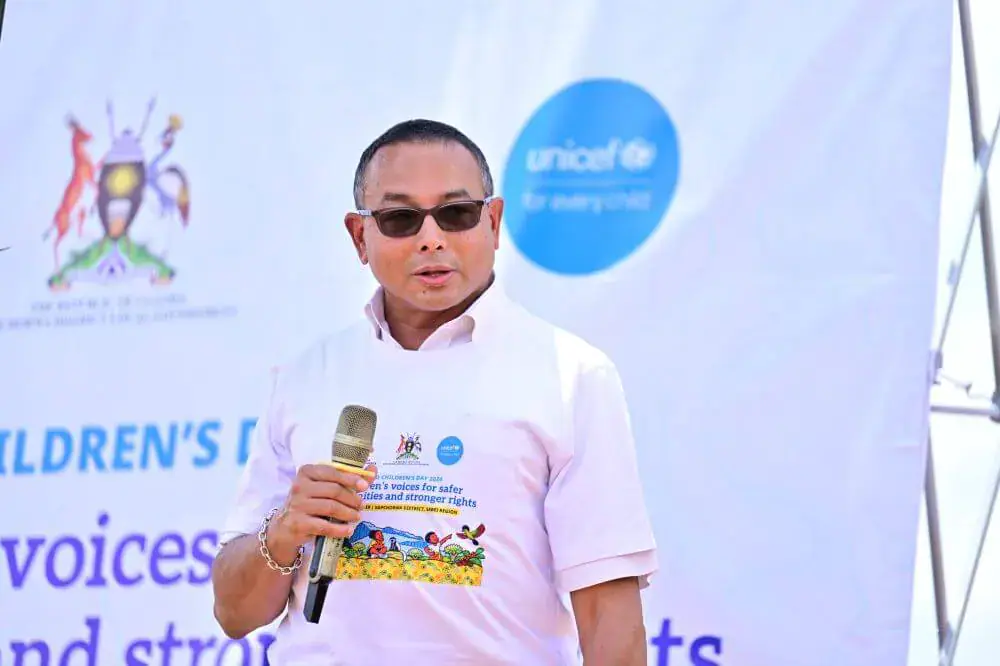
UNICEF Representative in Uganda, Dr. Robin Nandy, addressed the event, highlighting the importance of community efforts to protect children from harmful practices. He emphasized that every child has the right to education, protection, and a safe environment in which to grow. Dr. Nandy called on parents to ensure that girls remain in school, rather than being forced into early marriages or exposed to teenage pregnancies.
Dr. Nandy also challenged parents to take an active role in protecting their children and encouraged boys to become advocates for girls' rights. He urged communities to empower children to speak out against harmful practices, emphasizing that protecting children requires collective responsibility. Furthermore, Dr. Nandy highlighted the importance of recognizing children's abilities and providing opportunities for them to excel in different fields.
Kapchorwa Resident District Commissioner (RDC) Stanley Bayole echoed the need for prioritizing children's welfare, ensuring access to education, healthcare, proper nutrition, and protection from abuse. He expressed concern that children continued to experience violations of their rights, including denial of education and immunization, FGM, defilement, and neglect. Bayole particularly condemned cultural and religious beliefs that discourage parents from taking their children to school or allowing them to receive immunization.
RDC Bayole emphasized that every child deserves access to essential services, regardless of their family's cultural or religious background. He acknowledged that government sensitization campaigns had contributed to a reduction in FGM in the Sebei sub-region but warned that it remained a concern in some communities. Bayole noted that perpetrators were increasingly conducting FGM secretly to avoid detection by authorities.
World Children's Day is commemorated annually on November 20 to promote children's rights, welfare, and participation in decisions affecting their lives. The day serves as a reminder of the need for collective action to protect children and ensure their rights are respected. By speaking out against harmful practices and advocating for children's rights, the children of Sebei and their leaders are taking a crucial step towards creating a safer and more supportive environment for girls to grow and thrive.
Key points
- Children in Sebei sub-region demand an end to FGM, child marriages, and teenage pregnancies.
- UNICEF and local leaders call for collective responsibility to protect children from harmful practices.
- Government sensitization campaigns have reduced FGM in Sebei sub-region, but the practice remains a concern.