The National Association of Scrap and Waste Dealers Employers of Nigeria (NASWDEN) has announced plans for a strike action starting October 1. The union, which regulates the activities of scrap dealers, cited several reasons for the decision, including the purchase of scrap metal from uncertified collectors by industrial metal dealers. This move has raised concerns about the potential consequences for homeowners, users of public infrastructure, and the overall economy.
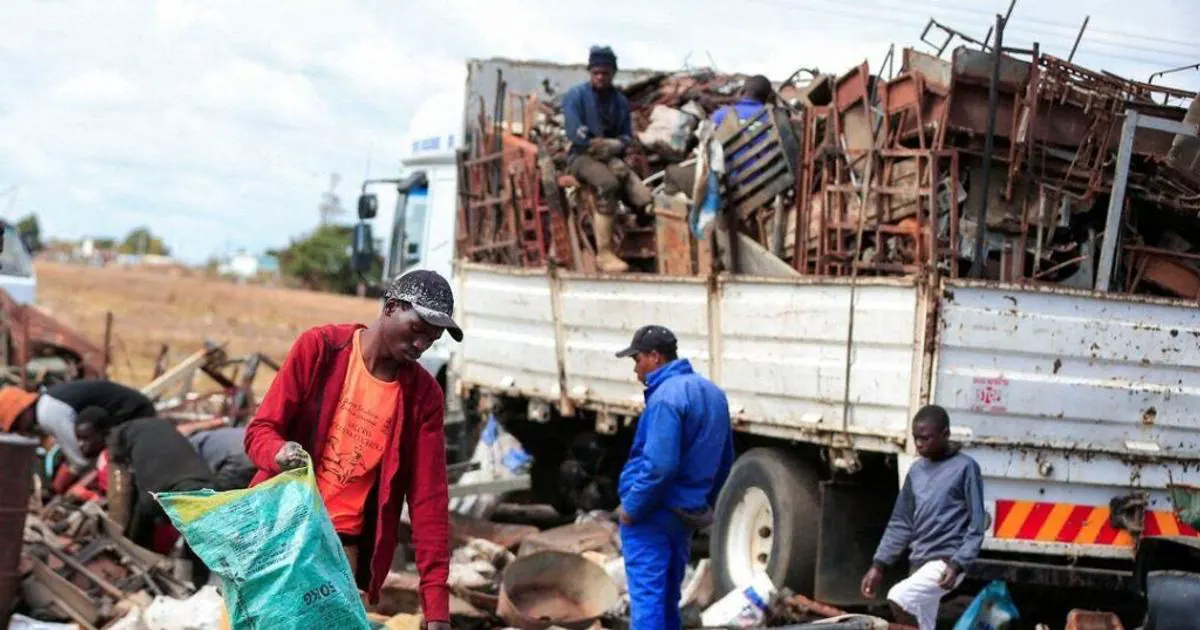
Scrap collectors play a crucial role in gathering discarded metal from various sources, including homes, workshops, construction sites, and dumpsites. They then sell their collections to scrap dealers, who accumulate larger quantities and transport them to steel mills or recycling facilities. NASWDEN's role is to oversee this chain of business and ensure that materials entering the steel industry are obtained through legitimate channels.
According to Aminu Hassan Soja, NASWDEN's deputy national president, one of the main reasons for the strike is the purchase of scrap from unregistered dealers and agents by iron companies. The union believes that this practice must be properly regulated and verified to prevent materials from being obtained through illegitimate means. Soja also mentioned that some iron and steel companies have repeatedly cut scrap metal prices without prior notice, causing significant losses to dealers.
The strike action by NASWDEN could have far-reaching consequences, particularly in the area of public infrastructure. There have been reports of scrap collectors vandalizing bridges, rail tracks, and other structures to remove metals, and the absence of NASWDEN's regulatory oversight could exacerbate this problem. Homeowners and users of public infrastructure are likely to be affected by the strike, which could lead to a surge in unchecked scrap collection activities.
Another concern raised by NASWDEN is the alleged increasing involvement of foreigners in the scrap metal business, including the establishment of dumpsites and collection centers across the country. The union believes that this trend could have negative implications for the local economy and the environment.
The strike action by NASWDEN is set to commence on October 1, and it remains to be seen how the government and industrial metal dealers will respond to the union's demands. The consequences of the strike could be significant, and stakeholders are likely to be watching the situation closely.
The scrap metal industry plays a vital role in Nigeria's economy, and any disruption to its operations could have a ripple effect on various sectors. As the strike looms, stakeholders are hoping for a resolution that will address the concerns of NASWDEN and prevent any negative consequences for the economy and the environment.
Key points
- NASWDEN's strike action is in response to industrial metal dealers buying scrap from uncertified collectors.
- The strike could lead to a surge in unchecked scrap collection activities, including vandalism of public infrastructure.
- The scrap metal industry plays a vital role in Nigeria's economy, and any disruption could have a ripple effect on various sectors.