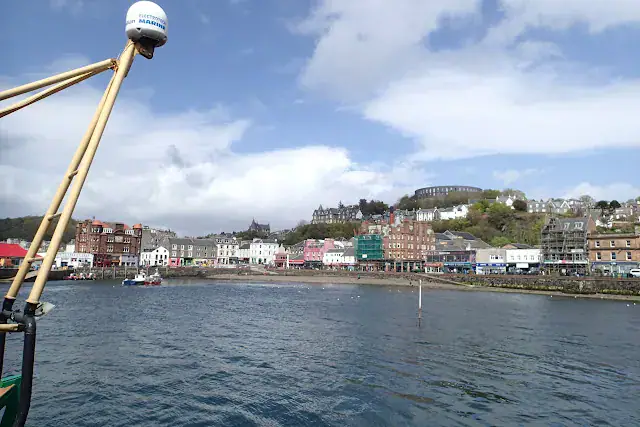
Residents in the Scottish coastal town of Oban are preparing for a 26% increase in energy bills from January to March 2027, as announced by energy regulator Ofgem. The price cap will rise to £2,166 per year for a household using a typical amount of gas and electricity and paying by direct debit, a difference of £443 from the current £1,723. This increase has left many residents worried about how they will manage their household budgets during the colder months.
The increase in energy prices is expected to exacerbate fuel poverty in Oban and the surrounding Argyll and Bute area. According to the Scottish House Condition Survey, 35% of homes in the area were in fuel poverty from 2022 to 2024, higher than the Scottish average of 31%. Fuel poverty is defined as households that spend more than 10% of their income after housing costs on heating, leaving them with limited funds for everyday needs.
To cope with the rising energy costs, residents in Oban are finding ways to stay warm and reduce expenses. Some are buying surplus food at reduced prices from supermarkets, while others are spending more time in bed to keep warm. Community organizations, such as Hope Kitchen, are providing food and warm spaces for those struggling to heat their homes. The charity runs a community café and a re_store shop that redistributes rescued food.
The difficulties in Argyll and Bute are compounded by limited fuel choices, building characteristics, and the costs associated with rural living. Around 55% of properties in the area are outside the mains gas network, making it harder for residents to access affordable heating options. The local council has identified these factors in its 2025 housing strategy update as contributing to the area's fuel poverty problem.
Ofgem attributes the January increase primarily to international gas prices, which have roughly tripled since the conflict in the Middle East began. The regulator reports that typical gas bills will increase by 33%, while electricity bills will rise by 19%. However, greater use of renewable generation has reduced electricity's exposure to gas prices.
The UK government has announced measures to provide some assistance to households. Around 20 million households will receive £100 towards their energy bills from January, and the temporary removal of VAT from electricity bills will continue until 30 June 2027. However, many customers will enter the winter with unpaid bills, with Great Britain's domestic gas and electricity debt and arrears reaching £5 billion in the second quarter of 2026.
As the energy price cap increase takes effect, residents in Oban and across Scotland will need to find ways to manage their energy costs. While some households will receive support from the government, many will still struggle to pay their bills. The situation highlights the need for long-term solutions to address fuel poverty and make energy more affordable for vulnerable households.
Key points
- Ofgem announces 26% price cap rise for January to March 2027
- 35% of homes in Argyll and Bute area are in fuel poverty
- UK government announces measures to provide assistance to households
Reporting sources
- Scots face 26% rise in energy bills · Prime 9ja Online