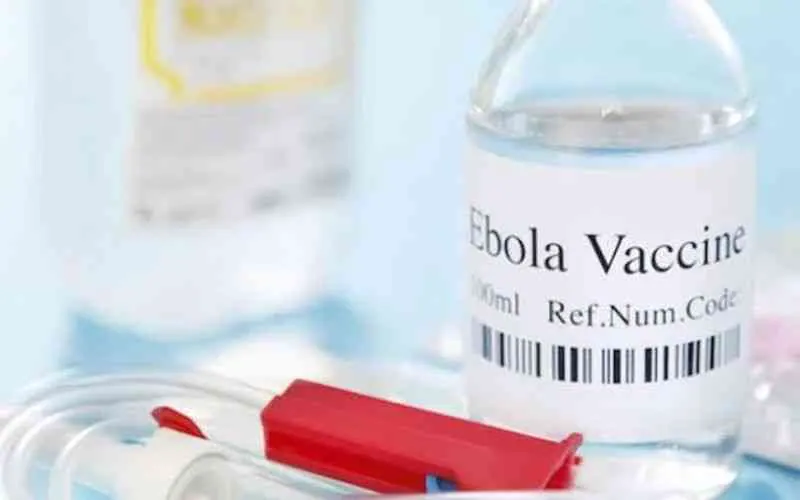
Scientists have initiated a study to test the effectiveness of the Ervebo vaccine, originally developed against the Zaire species of Ebola virus, in protecting against the Bundibugyo virus. This experiment aims to determine if Ervebo can provide protection against a virus it was not designed to prevent. The study, led by Médecins Sans Frontières (MSF), in collaboration with the DRC Ministry of Health and other partners, will follow 20,000 frontline workers in Ituri and North Kivu provinces.
The current outbreak in the Democratic Republic of Congo, caused by the Bundibugyo ebolavirus, has reported over 8,000 confirmed cases and spread across 63 health zones in seven provinces. Ituri remains the most affected province, while North Kivu continues to report substantial transmission. The World Health Organization (WHO) has noted that laboratory and animal findings suggest possible cross-protection from Ervebo, but more research is needed to confirm its effectiveness against Bundibugyo.
According to Dr. Guyguy Manangama, an epidemiologist and deputy director of operations at MSF, preliminary data suggest that Ervebo may offer some degree of protection against the Bundibugyo virus. The study, known as BRAVO, will run for nine to 12 months, with vaccination taking place over three months and participants followed for at least another six months. The aim is to generate evidence on whether Ervebo actually protects against Bundibugyo in real-world outbreak conditions.
WHO has made it clear that it is not yet known whether Ervebo protects humans against Bundibugyo virus. As a result, the organization recommends that Ervebo be used against Bundibugyo only within research protocols, while proven infection-prevention measures remain in place. Despite this, Manangama notes that even partial protection could help reduce severe illness and deaths.
The distinction between the Zaire and Bundibugyo viruses is central to the study, as protection against one cannot be assumed to work against the other. Ervebo was developed and licensed against Zaire ebolavirus, the species responsible for many major Ebola outbreaks in Africa. In contrast, the current DRC outbreak is caused by Bundibugyo ebolavirus, a different Ebola virus species.
The vaccine study is running alongside the wider response to the outbreak, rather than replacing it. MSF emphasizes that vaccinated frontline workers must continue using protective equipment, following safe-care procedures, and reporting symptoms quickly. Manangama stresses that the vaccine will not end the current outbreak but may offer additional protection to those most exposed.
Several vaccines specifically designed to target the Bundibugyo virus are also under development. The research aims to strengthen the response to the outbreak, alongside other essential interventions. By exploring all possible tools to combat the outbreak, scientists hope to bring the situation under control and reduce the risk of further transmission.
Key points
- Researchers test Ervebo vaccine against Bundibugyo virus despite initial development for Zaire ebolavirus.
- Study aims to determine if Ervebo offers protection against Bundibugyo in real-world outbreak conditions.
- WHO recommends Ervebo be used against Bundibugyo only within research protocols due to insufficient evidence.