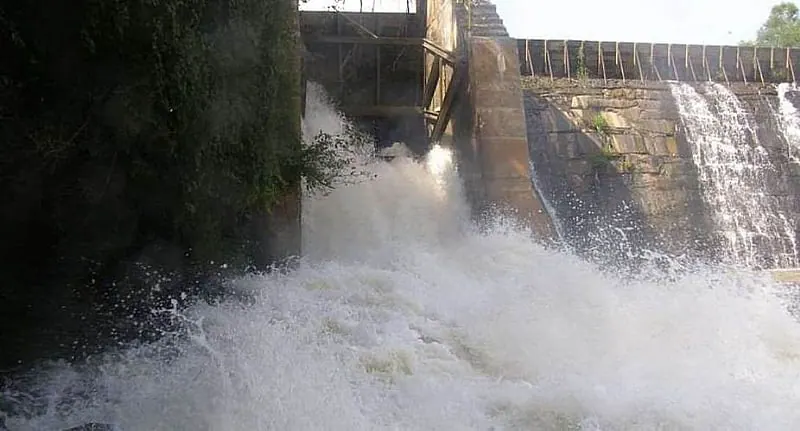
Every year, the controlled release of water from Burkina Faso's Bagré Dam threatens to destroy the livelihoods of farming communities in northern Ghana. The dam, commissioned in 1992, serves irrigation needs but its water releases have caused serious flooding downstream in Ghana since 1999. The floods have resulted in deaths, displacement, destroyed farmland, and damage to homes and public infrastructure. For farming families in northern Ghana, the rainy season should bring hope, but the arrival of heavy rains can also bring fear.
The scale of the historical damage is sobering. In 1999, the flooding left approximately 9,000 people homeless and was associated with 52 deaths and a cholera outbreak. In 2007, about 307,127 people were reportedly affected, with emergency response costs estimated at US$25 million. The destruction continued in subsequent years, with 17 deaths and 75,607 farms damaged in 2018, and 3,000 hectares of farmland damaged in 2022, affecting an estimated 2,000 farmers.
The human cost of the Bagré Dam floods extends far beyond the immediate destruction visible during an emergency. Northern Ghana's wetlands and riverbank communities depend on the surrounding environment for food, water, income, and other resources. When flooding damages these ecosystems or makes them inaccessible, families lose more than crops and buildings; they lose part of the foundation on which their daily lives depend.
A collaborative research initiative, the "Addressing Climate Vulnerability through Nature-Based Solutions using Transdisciplinary Engagement of Wetland Communities (AV-STEC)" project, is now examining the challenge of managing shared water resources in ways that protect lives, livelihoods, and the environment in both Ghana and Burkina Faso. The project brings together researchers, students, community representatives, and other stakeholders to find a lasting solution.
The AV-STEC project seeks to address the interconnected challenges of climate vulnerability through research, cross-border cooperation, and practical adaptation strategies. The two-year initiative forms part of the Climate Adaptation and Resilience (C.L.A.R.E.) programme supported by the International Development Research Centre and the UK International Development research programme.
The research pays particular attention to northern Ghana and the communities affected by the annual Bagré Dam releases. The project team leaders include Emerita Professor Yaa Ntiamoa-Baidu, Prof Christopher Gordon, Prof Joseph Mensah, Mr. Idrissah Zeba, and Dr. Mary Thompson. The initiative is focused on climate resilience in vulnerable communities across the Volta Basin, with a budget of US$1.4 million.
The critical question is whether governments will turn the knowledge and solutions generated by the AV-STEC project into action before another season of destruction begins. For farming families in northern Ghana, a lasting solution to the annual floods is crucial to protecting their livelihoods, food security, and community stability. The project's findings and recommendations will be crucial in informing policy and decision-making in Ghana and Burkina Faso.
Key points
- The Bagré Dam's annual floods have caused significant damage and displacement in northern Ghana, affecting thousands of people and destroying farmland, homes, and infrastructure.
- The AV-STEC project is working to find a lasting solution to the floods through research, cross-border cooperation, and practical adaptation strategies.
- The project's findings and recommendations will inform policy and decision-making in Ghana and Burkina Faso to protect the livelihoods of communities affected by the floods.