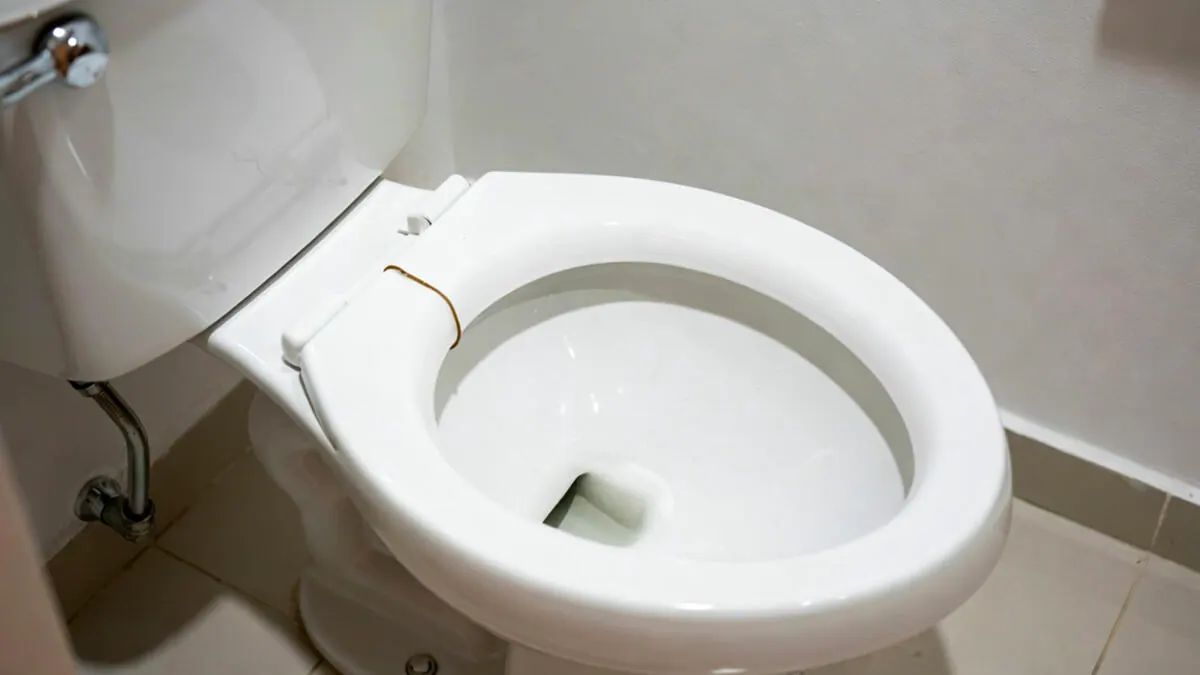
The question of whether toilet seats can transmit diseases has long been a topic of concern, particularly in public restrooms. According to a report by republicoftogo.com, a recent inquiry by Dounia sparked a scientific investigation into the matter. The study found that toilet seats are not as hazardous as commonly believed, with research indicating that they are one of the least contaminated surfaces in a bathroom.
The study revealed that the smooth and non-porous surface of toilet seats makes it difficult for bacteria to survive. In contrast, other surfaces such as door handles, faucets, and personal items like phones are more likely to harbor bacteria. The bacteria responsible for most transmissible diseases, such as E. coli and norovirus, are more effectively transmitted through hand-to-mouth contact rather than through contact with toilet seats.
The real danger lies not in the toilet seat itself, but in the act of flushing. When the toilet is flushed without closing the lid, it propels a plume of microdroplets containing fecal particles into the air, which can settle on nearby surfaces, including toothbrushes. This phenomenon, known as the "toilet plume," poses a greater risk of transmission than the toilet seat itself.
While there are some exceptions, such as certain sexually transmitted infections like scabies or fungal infections, these can only be transmitted through prolonged contact with contaminated surfaces in extremely unsanitary conditions. Simply sitting on a toilet seat for a few minutes, even in a visually unclean environment, is unlikely to result in infection.
The study's findings offer reassurance to those who use public restrooms, but emphasize the importance of maintaining good hygiene practices. Washing hands thoroughly after using the toilet and avoiding the use of phones while on the toilet are recommended to minimize the risk of transmission.
The investigation was prompted by a question from Dounia, which highlights the importance of addressing common concerns and misconceptions about everyday health risks. By examining the scientific evidence, individuals can make informed decisions about their health and take practical steps to minimize risks.
In conclusion, the scientific verdict on toilet seat safety is that they are not a significant source of disease transmission. By understanding the facts and taking simple precautions, individuals can alleviate concerns and maintain good hygiene practices when using public restrooms.
Key points
- Toilet seats are not a significant source of disease transmission.
- The real danger lies in the act of flushing, which can propel microdroplets containing fecal particles into the air.
- Maintaining good hygiene practices, such as washing hands thoroughly after using the toilet, is essential to minimizing the risk of transmission.