The 2026-2027 school year has commenced in Kolondièba, Mauritania, with a delegation led by the first deputy prefect, Ibrahima Dougnon, visiting various schools to assess the situation. The team, which included local officials, education administrators, and representatives from defense and security forces, evaluated the state of education in the region. Despite some challenges, the delegation found that the school year had started effectively in the visited schools.
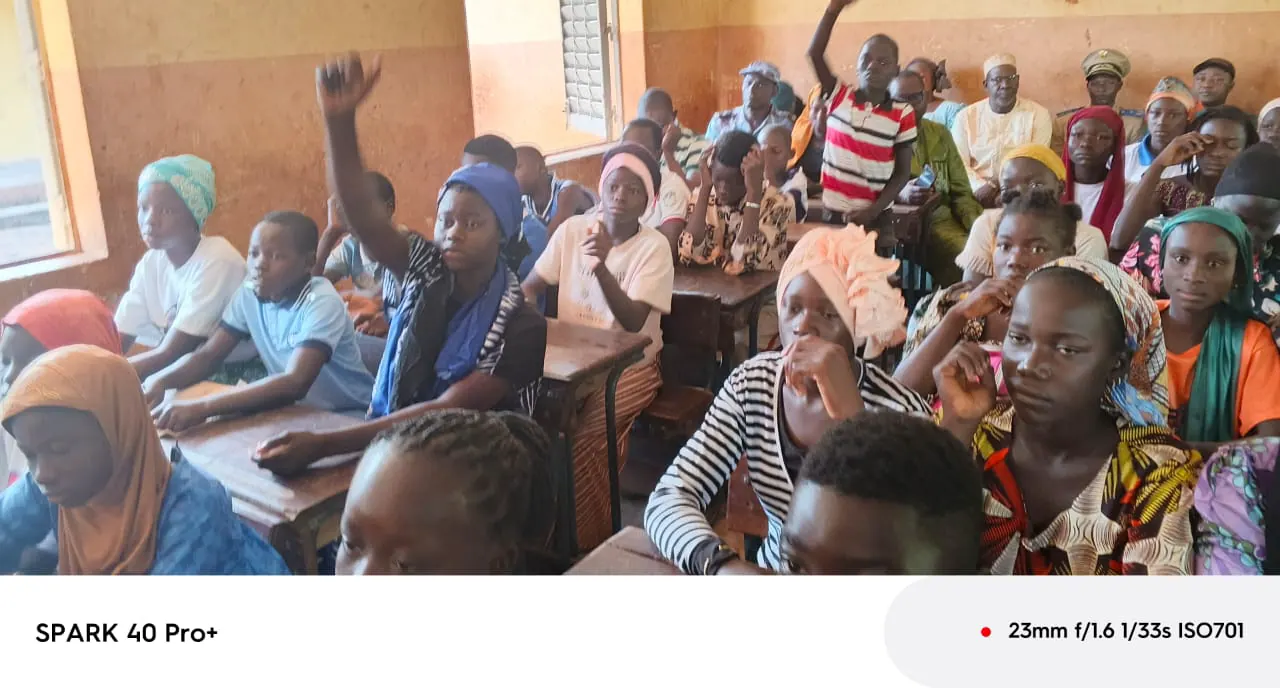
The delegation visited several schools, including the Kolondièba public high school and the Group Scolaire A, where they observed a model lesson in a 5th-year class. They also visited the public kindergarten, where Abdoulaye Diarra, Director of the Centre d'animation pédagogique (CAP), distributed school kits provided by the NGO MIQRA. Diarra and other officials offered guidance and well-wishes to students and teachers for a successful academic year.
As part of the same initiative, Diarra, accompanied by two pedagogical advisors and an AMAP correspondent, visited additional schools in Massala, Kébila, and Bohi. The kindergarten in Bohi also received school kits from MIQRA. The CAP de Kolondièba covers the circles of Kolondièba, Kadiana, and Fakola, highlighting the scope of the region's educational landscape.
According to Abdoulaye Diarra, despite some shortcomings, the school year has begun effectively in most visited schools. Key concerns raised by officials and educators include overcrowding, insufficient desks and chairs, and a shortage of teachers. These challenges may impact the quality of education and the overall learning experience for students.
The CAP Director emphasized the importance of addressing these issues to ensure a smooth and productive academic year. The theme for this year's school year is "La sécurité sanitaire des aliments en milieu scolaire" (Food Safety in School Environments), highlighting the need for awareness and action on this critical issue.
The visit by the delegation aimed to assess the readiness of schools and identify areas requiring support. By engaging with local officials, educators, and students, the team gained valuable insights into the challenges and opportunities facing the education sector in Kolondièba. This information will likely inform future initiatives and resource allocation.
As the school year progresses, stakeholders will be monitoring the situation closely to address the identified challenges and ensure that students receive a quality education. The involvement of local authorities, NGOs, and community representatives underscores the collaborative approach needed to overcome the region's educational hurdles and promote academic success.
Key points
- The school year began effectively in Kolondièba despite shortages of teachers and infrastructure.