Schneider Electric has urged governments, businesses, and industry partners in the Middle East and Africa to collaborate and accelerate the development of AI-ready infrastructure. The rapid adoption of artificial intelligence is creating new demands for intelligent, resilient, and sustainable energy systems. This call was made after the company's Innovation Summit Middle East and Africa 2026 in Abu Dhabi, which gathered over 2,500 officials, professionals, and analysts.
The two-day summit, themed "Advancing Energy Tech to Power Intelligence and Resilience," focused on the shift in the energy transition from decarbonizing energy supply to building intelligent systems that support AI-driven economic growth. Schneider Electric stated that the shift towards AI-driven economic activity increases the need for energy systems and industrial infrastructure that can operate more intelligently, efficiently, and resiliently.
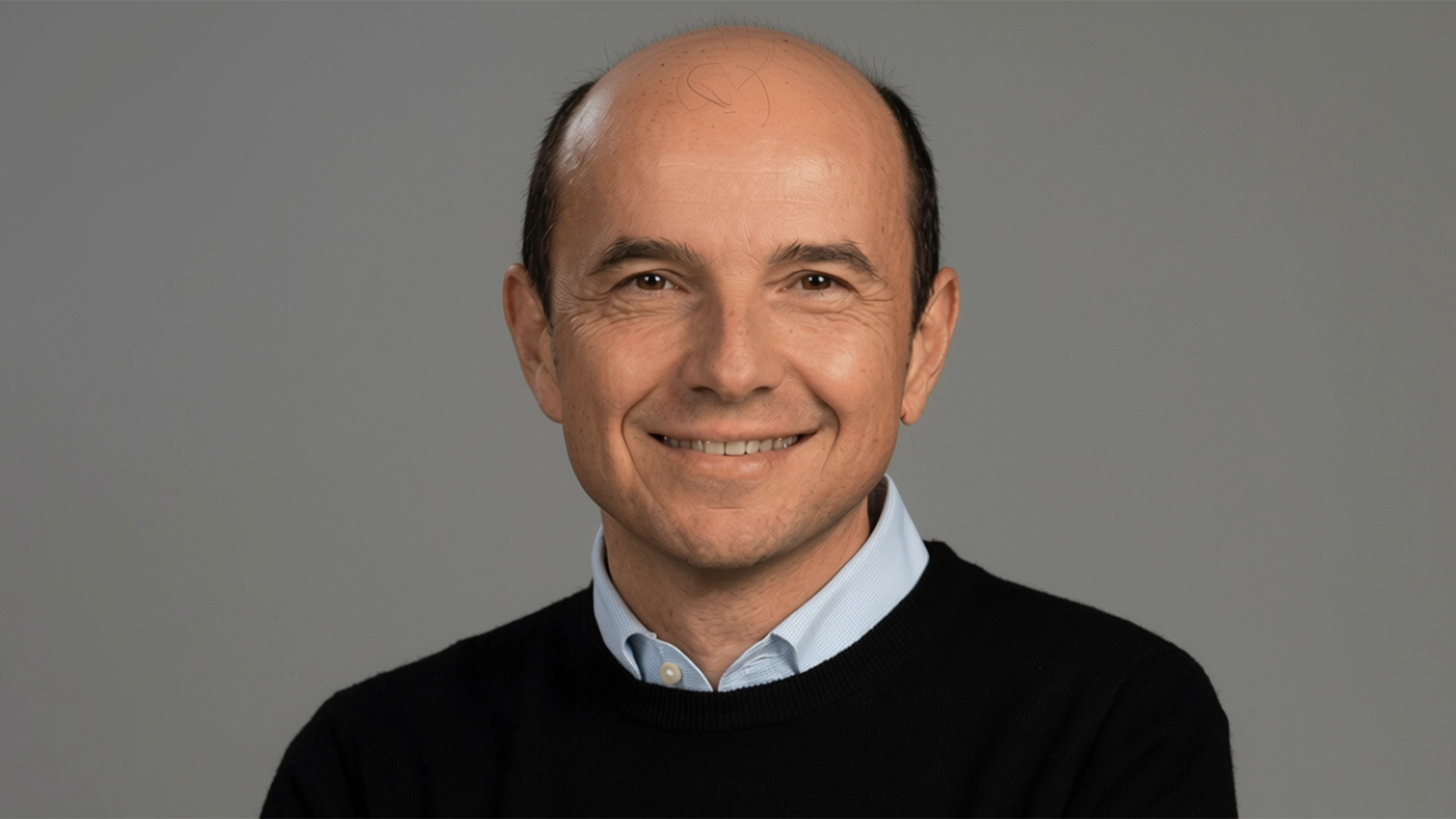
Olivier Blum, CEO of Schneider Electric, emphasized that the company helps customers connect energy and operations through data, software, AI, and automation. He noted that AI may be digital but it runs on electricity and depends on physical systems. The scale of the transformation is particularly evident in the Middle East and Africa, where governments and businesses are investing in energy and digital infrastructure to support industrial transformation and long-term economic growth.
A key development at the summit was the release of Schneider Electric's 2026 Industrial AI in CPG Study: UAE, which examined the adoption of artificial intelligence among food and beverage manufacturers in the UAE. The study found that UAE manufacturers are adopting industrial AI at a faster pace than the global average, with 23% of UAE manufacturers surveyed considering AI a core part of their operations, compared to 16.3% globally.
The study also found that 59% of UAE manufacturers expect AI to have a transformational impact on their organizations by 2030, compared to 42.2% globally. Additionally, 38% identify cybersecurity as a top priority as AI deployment expands. Walid Sheta, President, MEA Zone, Schneider Electric, noted that industrial AI is moving from experimentation to deployment, and the UAE is distinguished by the pace of adoption and confidence in AI's ability to improve productivity, efficiency, and resilience.
Sheta also highlighted the next challenge of ensuring that AI deployments are secure, scalable, and capable of delivering measurable business outcomes. Alongside the event, the UAE Ministry of Economy and Tourism and Schneider Electric signed an agreement to launch the NEST Accelerator Programme, a 12-week initiative targeting high-potential early-stage startups across the Middle East and Africa.
The programme will focus on startups working in Energy Tech, Industrial Tech, and Enterprise AI, areas aligned with Schneider Electric's strategic priorities and the UAE's future economy agenda. The programme will be delivered through a specialized third-party accelerator under Schneider Electric's supervision. This initiative aims to support the growth of innovative startups in the region.
Key points
- Schneider Electric urges collaboration to build AI-ready infrastructure in Africa and the Middle East.
- UAE manufacturers adopt industrial AI at a faster pace than the global average.
- Schneider Electric launches the NEST Accelerator Programme to support startups in Energy Tech, Industrial Tech, and Enterprise AI.