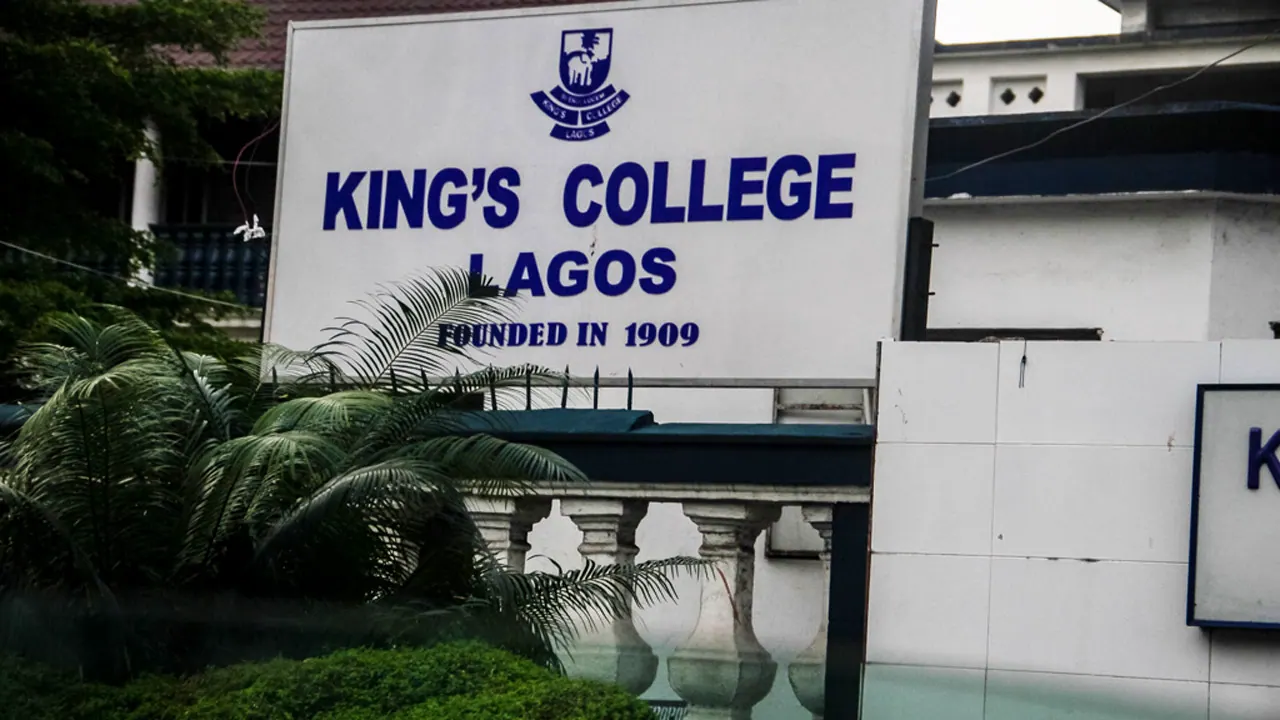
King’s College, Lagos, once set the gold standard for secondary education in Nigeria, was founded in 1909 to produce the country’s administrators, professionals, and leaders. Its alumni include prominent figures such as Femi Okunnu, Sanusi Lamido Sanusi, and Adebayo Ogunlesi. However, the school’s current state tells a different story, with leaking roofs, failed hostel plumbing, dark laboratories, and unfit toilet blocks.
The Old Boys’ Association (KCOBA) has secured a 35-year concession agreement with the federal government to rebuild and professionally manage the school. The association, made up of men who now lead banks, courts, corporations, and ministries, concluded that only by bringing its own resources and expertise to bear could the school’s fortunes change within their lifetimes.
The Ministry of Education insists that the federal government retains ownership and continues regulatory oversight, with the KCOBA set to finance rehabilitation of classrooms, hostels, and laboratories, as well as hire qualified manpower and operate the school. The ministry has tried to reassure skeptics that JSS1 admissions will still run through the existing Unity Schools process anchored on the Common Entrance Exam, and fees won’t automatically rise.
Despite the government’s assurances, the backlash against the concession agreement has been real. Workers under the Joint Congress of Unions of the Federal Ministry of Education shut down the ministry’s Abuja headquarters and closed unity colleges nationwide in solidarity, fearing the deal could become a template for privatising other federal schools.
Parent-teacher associations at King’s College and Queen’s College worry that private management could erode a public institution’s character and eventually put fees beyond ordinary families’ reach. Some have threatened legal action, insisting that the school should be reformed, not concessioned.
Critics of the concession agreement have raised concerns about the 35-year horizon, citing Nigeria’s record with concessions in sectors like power and ports. However, safeguards such as government ownership, merit-based admission, job security, and no automatic fee hikes are already part of the framework.
The debate over how to save King’s College is legitimate, but giving the school’s own sons the chance to rebuild what they inherited in ruins deserves the public’s understanding and support. The concession agreement offers King’s College a credible path out of decline, and what remains is holding both government and KCOBA to their promises through transparency and active oversight.
Key points
- The federal government retains ownership and continues regulatory oversight of King’s College.
- The Old Boys’ Association will finance rehabilitation of classrooms, hostels, and laboratories, as well as hire qualified manpower and operate the school.
- Safeguards such as government ownership, merit-based admission, job security, and no automatic fee hikes are part of the concession agreement framework.