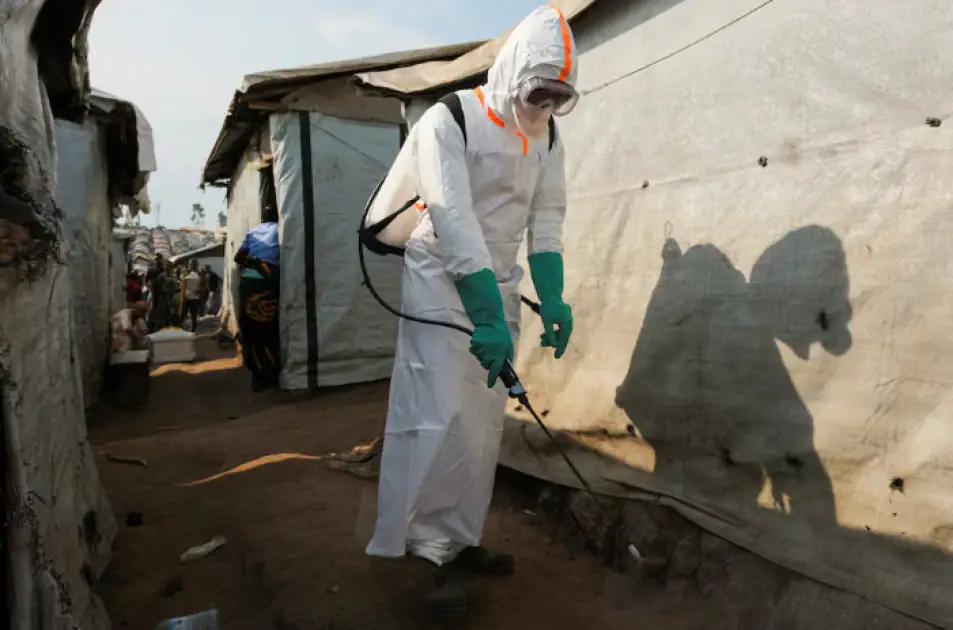
Saudi Arabia has introduced additional precautionary measures to mitigate risks associated with the Ebola virus. The measures include suspending travel by Saudi citizens to Kenya and halting all categories of visas for people arriving from the East African nation. This decision was made based on epidemiological assessments conducted by national health authorities. The restrictions aim to reduce the risk of the virus spreading into the country.
The Saudi Press Agency reported that the Kingdom had also barred entry to travellers arriving directly from Kenya or through third countries if they had stayed in Kenya or another country experiencing an active Ebola outbreak within the 21 days before their arrival. These measures build on preventive protocols that Saudi Arabia introduced in July 2019 and strengthened in May 2026 for travellers from countries considered at risk of Ebola outbreaks.
The latest restrictions are not the first of their kind for Saudi Arabia. In June 2026, the Kingdom suspended travel to and from the Democratic Republic of the Congo, Uganda, and South Sudan, while tightening surveillance and entry-point screening for travelers arriving from neighboring areas. The Saudi Public Health Authority stated that the country’s health situation remained stable despite the additional travel restrictions.
The restrictions come as Kenya continues to manage an Ebola outbreak that has resulted in nine confirmed infections and two deaths. The Ministry of Health announced on Friday, October 30, that the country had gone 10 days without recording a new infection following interventions to contain the virus. This development indicates that the situation in Kenya is being closely monitored.
Public Health Principal Secretary Mary Muthoni said authorities were progressively releasing people who had completed the mandatory monitoring period. The first 20 contacts completed their 21-day monitoring period and were released on October 26, while another 46 were expected to leave quarantine on November 3. The government has targeted November 11 to complete the release of all remaining contacts under quarantine and surveillance.
All nine confirmed infections in Kenya have been linked to a single cluster originating from Kenya’s first imported case. The initial patient was a Kenyan man who had travelled from the Democratic Republic of Congo through Uganda before arriving in Nairobi on October 3. He tested positive for the Bundibugyo strain of Ebola and died two days later. Kenya subsequently confirmed additional infections among people who had come into contact with him.
The Saudi Public Health Authority added that it was monitoring developments in coordination with other health agencies and implementing preventive measures to protect public safety. The health situation inside the Kingdom remains reassuring and under constant surveillance. The authority's efforts aim to ensure the safety and well-being of the population.
Key points
- Saudi Arabia has suspended travel to Kenya and halted visa issuance due to Ebola concerns.
- Kenya has reported nine confirmed Ebola infections and two deaths.
- The Saudi Public Health Authority is monitoring the situation and implementing preventive measures.