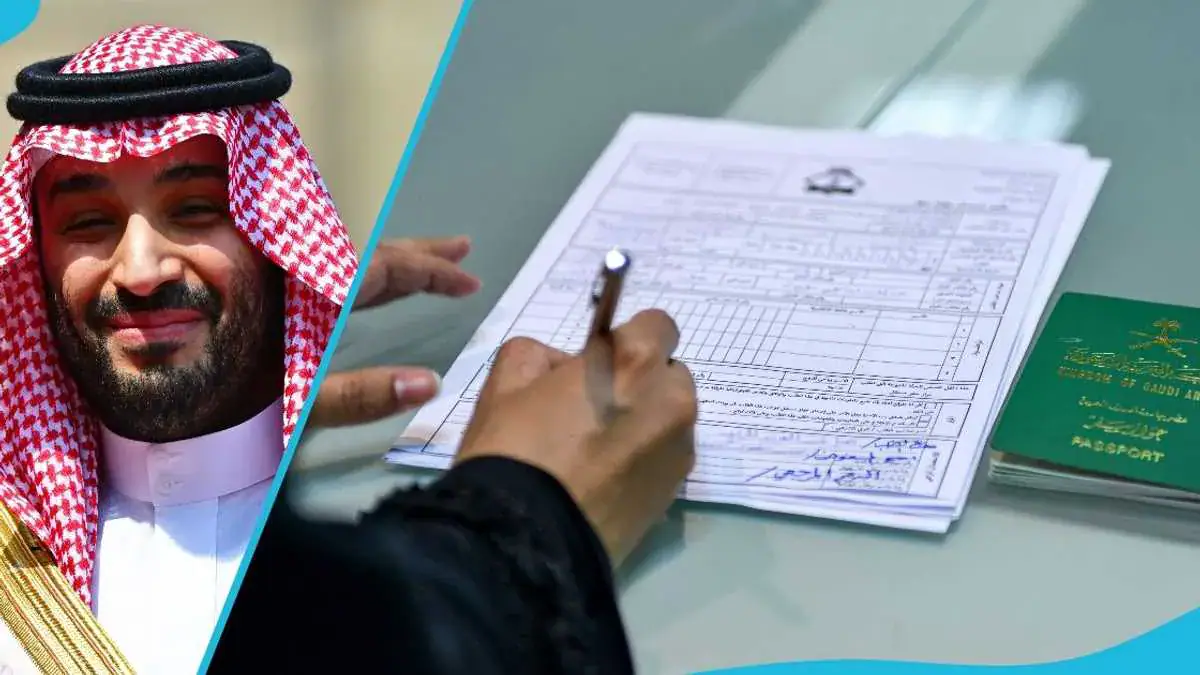
Saudi Arabia has published an official document outlining the salary structure and working conditions for university academic staff, including foreign teachers and professors employed at institutions across the kingdom. The pay scale incorporates a 15% increase endorsed by Royal Decree No. a/227, dated 16/7/1426 H and effective from 1/9/1426 H, and spans five academic ranks. This move aims to attract and retain top international talent in the education sector.
The new salary scale covers various academic ranks, including Teaching Assistants, Lecturers, Assistant Professors, Associate Professors, and full Professors. At the entry level, a Teaching Assistant takes home between SR 5,780 and SR 10,820 monthly, with an annual increment of SR 360. A Lecturer earns between SR 7,620 and SR 13,780, gaining SR 440 each year. These figures reflect a significant increase from previous salary structures.
Senior academic positions attract notably higher pay. An Assistant Professor receives between SR 11,100 and SR 18,030 per month with annual raises of SR 495, while an Associate Professor earns between SR 13,980 and SR 22,030 with increments of SR 575. At the top of the scale, a full Professor earns between SR 16,015 and SR 24,905 monthly, with an annual increment of SR 635. This new scale is expected to boost the morale of foreign academics working in Saudi Arabia.
The document also addresses part-time professors, stipulating that their pay should match the basic salary from their most recent academic appointment. Where no prior employment history exists, the University Council determines remuneration based on Scientific Council recommendations, subject to a cap at the Assistant Professor basic salary level. This provision ensures fairness and consistency in compensation for part-time faculty members.
Guest lecturers brought in from outside the university are compensated on an hourly basis according to rank. Professors earn SR 400 per hour, Associate Professors SR 350, and Assistant Professors SR 300. Ministers and senior officials invited to teach are paid SR 1,000 per hour, a rate equivalent to that of military generals. This flexible compensation structure allows universities to attract experts from various fields.
Staff recruited from outside the university or its branches receive additional entitlements on top of their salaries. These include a return air ticket, a deputation allowance, and university-provided housing, transportation, and related expenses for the duration of their service. The document also outlines disciplinary procedures, including suspension and appeal processes, ensuring that staff members are treated fairly.
Mandatory retirement is set at 60 years under the Hijri calendar. However, service may continue until the end of the academic year, and can be extended further to age 65 with the recommendation of the University Rector and approval from the Higher Education Council. This provision allows experienced academics to continue contributing to their institutions beyond the standard retirement age.
Key points
- The new salary scale includes a 15% raise for foreign university staff.
- The pay structure spans five academic ranks, from Teaching Assistant to full Professor.
- Staff recruited from outside the university receive additional entitlements, including housing and transportation.