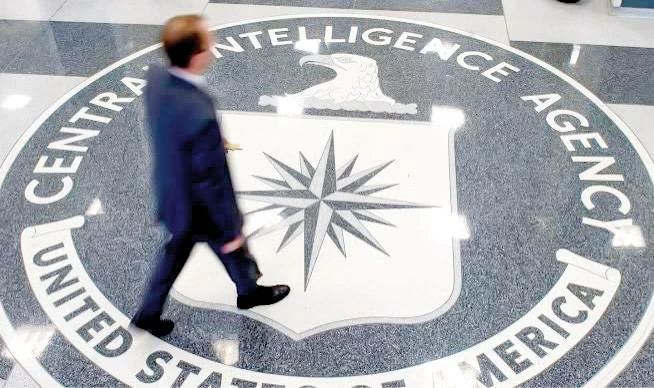
A satirical novel written by a former CIA officer has been published after 12 years of rejection by the agency. The book, titled "The Pickle Factory," offers a scathing critique of a highly classified CIA surveillance program. According to the Washington Post, the novel provides a detailed and satirical account of the CIA's internal mechanisms, despite being classified as fiction. The author, who has chosen to remain anonymous and is referred to as "Sam R. Awiken," presents a critical view of the agency's operations.
The novel sheds light on the CIA's use of undercover agents, with most officers working under "official cover" as diplomats or embassy staff. In contrast, those working under "unofficial cover" often pose as businessmen or consultants, without any official ties to the US government. These agents operate without diplomatic immunity, and their activities are shrouded in secrecy due to the potential risks involved and the covert involvement of American companies.
The author of the novel is a former CIA officer who worked under unofficial cover, known as NOC. Awiken's experience and insights into the agency's operations are reflected in the novel, which has been seen as a culmination of his battle against the CIA's censors. The agency's review board had initially rejected the manuscript in 2014, citing the need for significant redactions to protect classified information.
The publication of the novel has sparked interest in the CIA's internal workings and the challenges faced by former officers who seek to share their experiences. Awiken's criticism of the agency's secrecy and censorship has resonated with many, highlighting the tension between the need for national security and the right to free expression.
The CIA's strict controls on the publication of sensitive information by former employees have been highlighted by Awiken's experience. All former CIA employees are required to submit their work for review by the agency's Classification Review Board before publication, which can lead to significant redactions or even a complete ban on publication.
Awiken has spoken out against the CIA's attempts to suppress his novel, arguing that it constitutes a clear breach of his First Amendment rights. The publication of "The Pickle Factory" has raised questions about the limits of secrecy in government agencies and the challenges faced by whistleblowers and former employees who seek to speak out.
The novel's publication has also sparked debate about the role of satire in shedding light on sensitive topics. Awiken's use of satire to critique the CIA's operations has been seen as an effective way to convey complex information and critique the agency's policies without revealing classified information.
Key points
- The novel provides a satirical account of the CIA's internal mechanisms and operations.
- The author, a former CIA officer, worked under unofficial cover and has criticized the agency's secrecy and censorship.
- The publication of the novel has sparked debate about the limits of secrecy in government agencies and the role of satire in shedding light on sensitive topics.