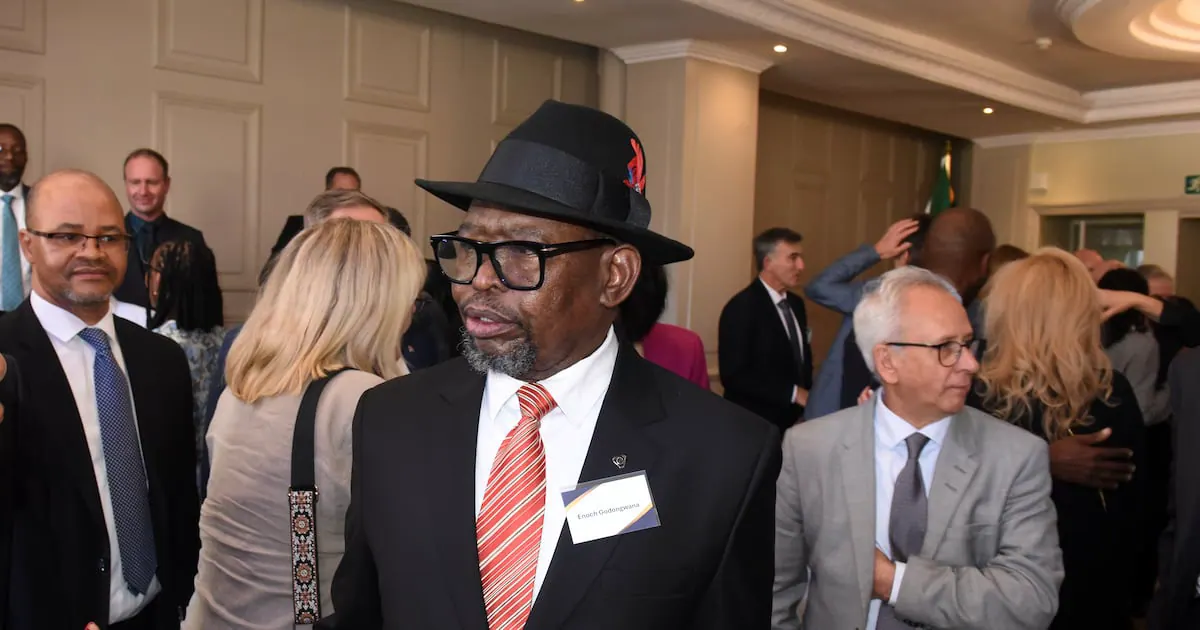
The South African Special Risk Insurance Association (Sasria) has made significant progress in rebuilding its capital base following the 2021 riots, with Finance Minister Enoch Godongwana commending the company's strategic objective of reaching R30bn in own funds. Sasria reported a profit of R5.2bn and reserves of R23.8bn for the 2025/26 year, marking continued progress in its recovery. The company's board chair, Nolwandle Mgoqi, said the accumulated loss that had weighed on the balance sheet since the events of July 2021 had been fully reversed.
The 2021 riots, triggered by the arrest of then-president Jacob Zuma, caused an estimated R50bn in damages in KwaZulu-Natal, Gauteng, and Mpumalanga. Sasria's integrated report for 2025/26 showed that the insurer had recorded a significant profit and ended the year with substantial reserves. According to Godongwana, Sasria's capital strength is crucial in protecting the economy against the lasting damage of systemic unrest and restoring the company's capacity to respond to future catastrophic events.
Mgoqi said the company now carries positive retained earnings of R1.8bn, representing an important milestone in Sasria's recovery. This reflects the disciplined execution of the strategy, prudent financial management, and the sustained commitment of the organisation's people. Work is also underway on the reintroduction of wrap cover, which became effective on 1 April 2026, with Sasria retaining 20% of the risk and the balance ceded to reinsurers.
Godongwana noted that Sasria had assessed the pricing, reinsurance, and operational implications of a broader mandate at a preliminary level, including climate-related and agricultural perils. He emphasised that a broader mandate had to be matched by capital, reinsurance capacity, and actuarial discipline. The minister also highlighted the pressures that shape Sasria's operating environment, including strained municipal service delivery, failing water infrastructure, labour unrest, youth unemployment, and protests against undocumented immigrants.
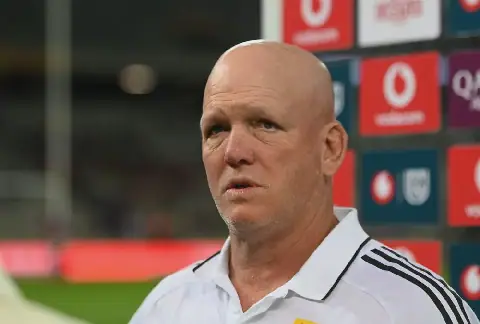
Sasria CEO Mpumi Tyikwe reported that the company grew gross written premium by 9.2% to R6.4bn, achieved nine of its 11 key performance indicators, and recorded a profit of R5.2bn. The growth in equity is critical to building reserves to withstand future catastrophic events like the one experienced in July 2021. Tyikwe said the company was firmly on track to achieve its Vision 2029 strategy of building a resilient, relevant, and sustainable special risk insurer with reserves of R30bn by 2029.
Tyikwe also highlighted that capital was strengthened through earnings and a fully subscribed reinsurance programme for the first time in three years. Predictive capability is being built through the data and intelligence programme, and growth outpaced the market with premium up 9.2%, exceeding a budget of R6.2bn. The company's transformation mandate was carried through R43.7-million of CSI investment focused on education and skills development.
Godongwana expects Sasria to continue strengthening its risk intelligence, extending affordable cover to small and medium enterprises, and pricing its products so that this cover remains within reach. The local government elections of November 2026 fall within the year ahead, and the government expects Sasria to play a critical role in supporting the economy. Comparable institutions in Spain, the UK, the US, and Australia assist private markets to carry risks, while the role of the respective states remains, making certainty possible where the private market could not.
Key points
- Sasria reports R5.2bn profit, R23.8bn reserves for 2025/26 year
- Company aims to reach R30bn reserve target by 2029
- Sasria's growth outpaces market with 9.2% premium increase