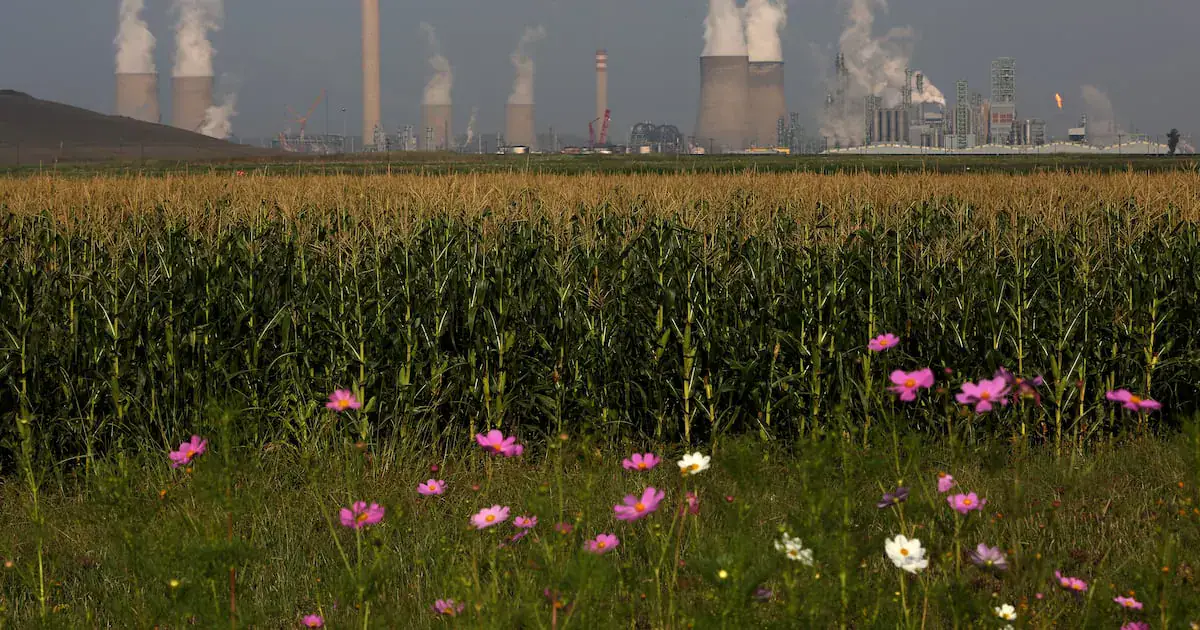
Sasol's financial performance in 2026 has been robust, with the company achieving higher sales volumes, improved cash generation, and a significant reduction in debt to $3.3bn. However, the issue of executive pay continues to be a contentious point, particularly in the context of South Africa's ongoing struggles with inequality. The company's CEO pay has been a focal point of criticism, with Absa's Kenny Fihla and Shoprite's Pieter Engelbrecht recently making headlines with their multimillion-rand salaries.
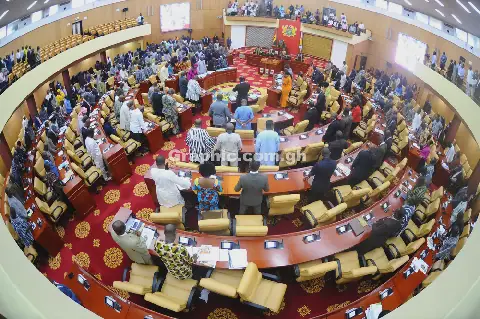
At Sasol's AGM last Friday, shareholders pressed the board for answers on executive management pay increases and the format of the virtual AGMs, which have been in place since 2023. Many shareholders expressed frustration, pointing out that dividends have been off the table since 2024, while CEO Simon Baloyi's remuneration has rocketed by 65% to R42.87m in 2026. This increase was driven primarily by short-term incentives, which have been a key factor in Sasol's improved financial performance.
The Remuneration Committee, chaired by Martina Flöel CBE, defended the pay increase, stating that Sasol needs to offer competitive packages to attract and retain top talent. However, this justification has done little to alleviate shareholder concerns, particularly in light of a 2024 report revealing that CEOs in some cases earn nearly 600 times more than their lowest-paid employees. This stark pay gap has led to government intervention in the form of new legislation requiring shareholder approval of remuneration policies every three years.
Despite the controversy surrounding executive pay, the bulk of Sasol shareholders voted in favour of the existing remuneration policy, indicating either satisfaction with management or a resignation to the current state of affairs. However, there remains a strong call for a return to in-person AGMs, with many arguing that virtual meetings do not facilitate meaningful participation. Sasol chair Muriel Dube maintains that virtual AGMs are essential for safety and enable full participation by shareholders worldwide.
The virtual AGM format was put to the test this week, with a host of technical problems during Friday's session. This has added fuel to the fire, with many shareholders calling for a return to in-person meetings. The debate highlights the challenges faced by Sasol's board in balancing the need to reward performance with the need to address concerns around executive pay and inequality.
The issue of executive pay is particularly sensitive in South Africa, where the gap between the executive suite and the shop floor remains enormous. Sasol's board is in a difficult position, needing to reward performance while remaining competitive in the market. The company's focus on reducing debt has been a key priority, with a $3bn figure being the trigger for considering dividends again.
As Sasol navigates these complex issues, the company's leadership will need to carefully balance competing interests and priorities. With the government introducing new legislation to address the pay gap, Sasol's board will need to engage with shareholders and other stakeholders to find a solution that works for all parties. The controversy surrounding executive pay is likely to continue, with Sasol's leadership facing ongoing scrutiny and pressure to address these concerns.
Key points
- Sasol's CEO pay has increased significantly, with Simon Baloyi's remuneration rising by 65% to R42.87m in 2026.
Reporting sources
- EDITORIAL | Sasol is in a pickle as pay gap remains a burning issue · The Sunday Times