The South African Reserve Bank (SARB) has attributed the decline in the country's economy during the second quarter of the year to weaker production. According to the bank, mining, manufacturing, and trade were significantly affected by higher costs, softer demand, and logistical constraints. This decline marks a reversal of the 0.4% growth recorded in the first quarter. The SARB noted that the economy remained under pressure from higher input costs and logistical constraints.
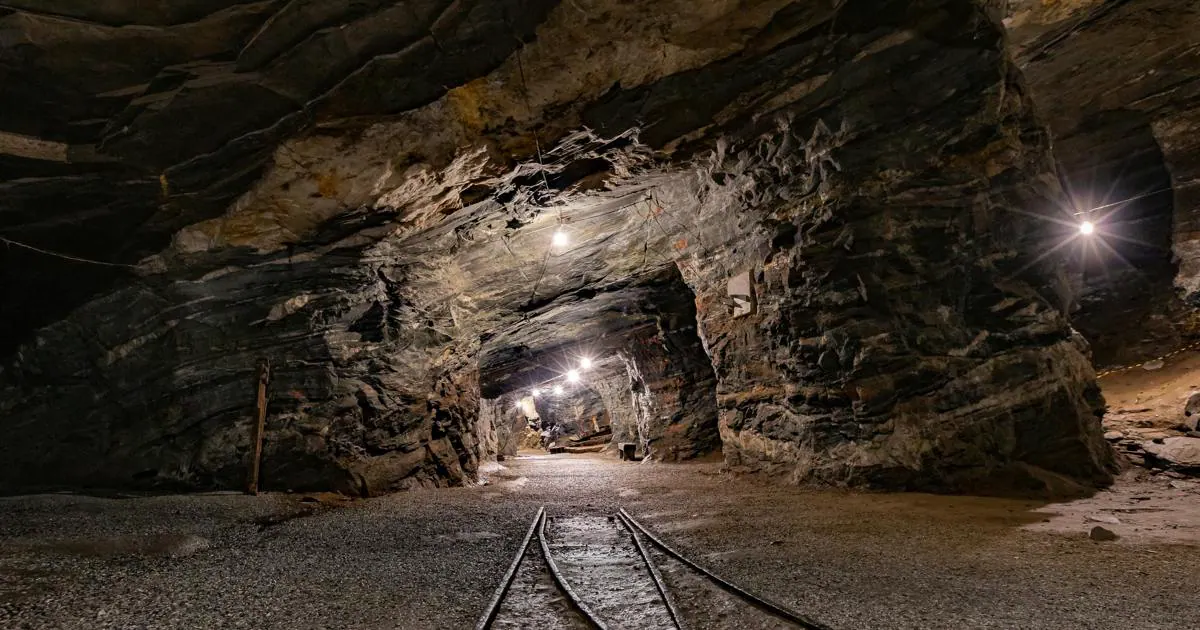
The South African economy contracted by 0.2% in the second quarter, ending six quarters of growth. The SARB identified mining as one of the biggest drags on the economy, with the sector contracting by 3% in the second quarter. This contraction was largely due to a decline in production across seven of the twelve mineral groups, with platinum group metals, manganese, gold, and iron ore being among those hardest hit.
The manufacturing sector also experienced a significant decline, contracting by 1.8% in the second quarter. This marks the sector's third consecutive quarterly decline. According to the SARB, weaker domestic demand and higher operating costs continued to weigh on manufacturers, with production falling across seven of the ten divisions. The decline in manufacturing and mining production had a ripple effect on the overall economy.
The agriculture sector provided some relief, driven by stronger horticultural and field-crop production. However, this was not enough to offset the weakness in other sectors of the economy. The SARB's assessment of the economy's performance in the second quarter highlights the challenges faced by the country in maintaining growth momentum.
The SARB's findings are consistent with recent data releases, which have pointed to a challenging economic environment. For instance, Statistics South Africa (Stats SA) reported that the country lost 14,000 formal jobs between March and June. This job loss could further exacerbate the economic decline and impact the country's growth prospects.
The SARB's analysis also underscores the impact of logistical constraints and higher input costs on the economy. These challenges have been persistent and have affected various sectors, including mining and manufacturing. Addressing these challenges will be crucial to reviving economic growth and improving the country's growth prospects.
The decline in the economy has significant implications for the country's growth prospects and highlights the need for policy interventions to address the challenges faced by the economy. The SARB's assessment provides a comprehensive analysis of the economy's performance in the second quarter and will inform policy decisions aimed at reviving economic growth.
Key points
- The South African economy contracted by 0.2% in the second quarter due to weaker production in mining, manufacturing, and trade.
- Mining and manufacturing were significantly affected by higher costs, softer demand, and logistical constraints.
- The agriculture sector provided some relief, driven by stronger horticultural and field-crop production.