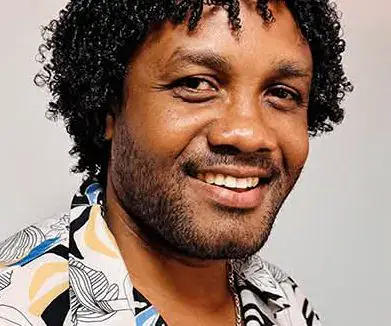
A biologist and professor from Sao Tome and Principe has written about the life lessons that can be learned from the country's natural wonders. The author notes that nature has a unique way of teaching us about the importance of relationships, choices, persistence, and balance in life. Through his experiences as a biologist and teacher, he has come to realize that the natural world can provide valuable insights into how we can live our lives and make a positive impact on our communities.
The author reflects on the coral reefs found in Sao Tome and Principe, which are home to a diverse array of marine life. He notes that coral reefs are built by small animals called polyps that work together to create complex structures that provide a habitat for thousands of other species. This phenomenon, known as emergence, is a concept that has been studied in the natural sciences and can be applied to human societies. Just as coral reefs require the contributions of many individual polyps to thrive, human societies require the contributions of many individuals to build something truly remarkable.
The author notes that in Sao Tome and Principe, there is a tendency for people to rely on a single individual or leader to solve the country's problems. However, he argues that this approach is misguided and that true change can only come about through the collective efforts of many individuals. He cites the example of a teacher who dedicates themselves to educating their students, a young person who chooses to pursue their education despite the challenges they face, and a farmer who works hard to improve their crop yields.
The author also reflects on the story of a small fish found in the rivers of Sao Tome and Principe, known locally as the "peixinho". Despite its small size, this fish is capable of undertaking an extraordinary journey, migrating from the ocean back to its birthplace in the rivers. The fish faces numerous obstacles along the way, including strong currents and waterfalls, but is able to overcome them through its adaptability and determination.
The author's reflections on the natural world are also informed by his concerns about the lack of enthusiasm for knowledge and individual effort among young people in Sao Tome and Principe. He notes that many young people seem to have given up on their future, believing that the country is already controlled by a small elite and that their individual efforts will not make a difference. However, the author argues that this attitude is misguided and that every individual has the power to make a positive impact on their community.
The author believes that the natural world can provide valuable lessons for human societies, particularly in terms of the importance of cooperation and collective effort. He notes that a coral reef is not built by a single polyp, but rather by the contributions of many individual polyps working together. Similarly, a country like Sao Tome and Principe can only thrive through the collective efforts of its citizens, rather than relying on a single leader or individual.
Ultimately, the author's reflections on the natural world offer a message of hope and empowerment for the people of Sao Tome and Principe. He believes that by working together and making individual contributions, citizens can build a brighter future for their country and create a more just and equitable society. The author's message is one of resilience and determination, and serves as a reminder that even the smallest actions can have a profound impact when combined with the efforts of others.
Key points
- The natural world can provide valuable lessons for human societies, particularly in terms of the importance of cooperation and collective effort.